Yellowlegs
Yellowlegs are American shorebirds belonging to the genus Tringa. They are typically found in wetland environments, often appearing on mud flats while…
What is the typical habitat and range of yellowlegs?
Yellowlegs are American shorebirds belonging to the genus Tringa. They are typically found in wetland environments, often appearing on mud flats while migrating or foraging for small fish, insects, crabs, snails, and tadpoles.1
The two species, the lesser yellowlegs and the greater yellowlegs, share similar geographic ranges:1
- Breeding Grounds: Both species breed across Canada and Alaska.1
- Wintering Grounds: Their winter range extends from the Gulf of Mexico south to Chile and Argentina.1
- Migration: During autumn migration, these birds may occasionally stray as far as western Europe.1
While their ranges overlap, the greater yellowlegs is generally less common and more wary than the lesser yellowlegs.1
How do yellowlegs migrate, and what are their breeding patterns?
Yellowlegs, which belong to the genus Tringa and the family Scolopacidae, are migratory shorebirds that travel annually between their northern breeding grounds and southern wintering areas.
Migration Patterns
Yellowlegs are known for their long-distance migrations. Both the lesser yellowlegs and the greater yellowlegs breed across Canada and Alaska. During the autumn, they migrate south to wintering grounds that span from the Gulf of Mexico down to Chile and Argentina. While these movements are generally confined to the Americas, lesser yellowlegs—and occasionally greater yellowlegs—are known to stray to western Europe during their autumn migration.1
Breeding Patterns
While the provided information confirms that yellowlegs breed across Canada and Alaska, specific details regarding their nesting habits, mating rituals, or parental care are not contained within the current Britannica knowledge base.1
How many species of yellowlegs are there, and what are their names?
There are two species of yellowlegs, both of which are American shorebirds belonging to the genus Tringa within the family Scolopacidae.
The two species are:
- Lesser yellowlegs (Tringa flavipes): These birds are approximately 25 cm (10 inches) long and are known for appearing in sizable flocks on mud flats during migration.14
- Greater yellowlegs (Tringa melanoleuca): These birds are larger, measuring about 35 cm (14 inches) long, and possess a proportionately longer, stouter, and slightly upturned bill. They are generally less common and more wary than their smaller counterparts.14
While they are similar in appearance, they can be distinguished by their vocalizations: the greater yellowlegs typically emits a clear three-note whistle, whereas the lesser yellowlegs produces a flat, light call of one or two notes.1
What are the physical characteristics of yellowlegs birds?
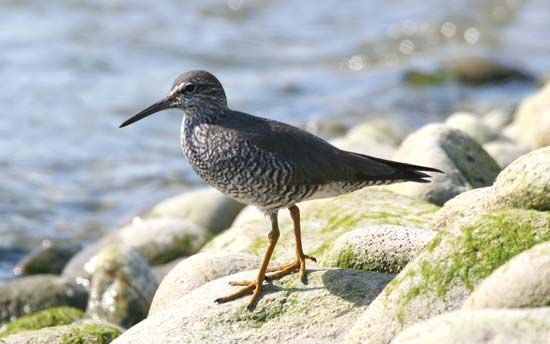
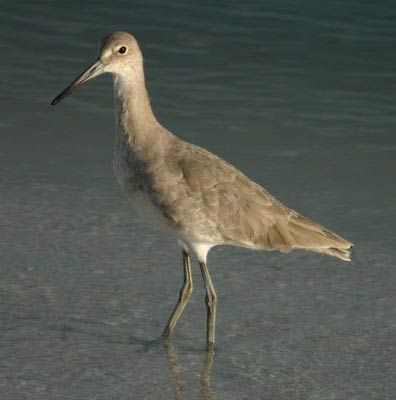
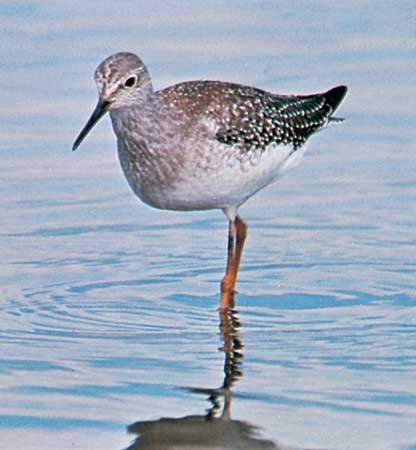
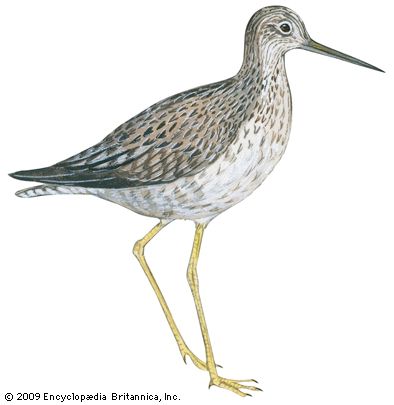
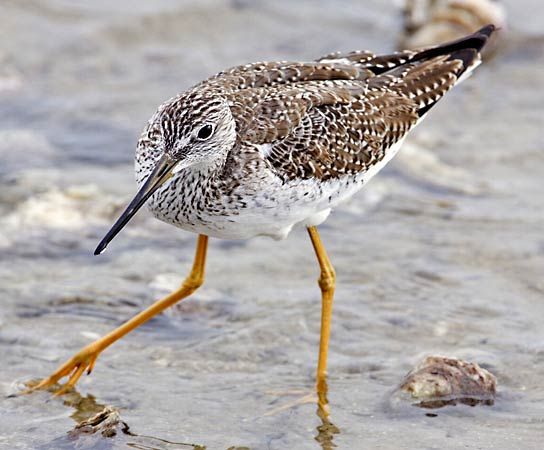
Yellowlegs are characterized by their trim, gray-brown and white streaked bodies, long bills, and long, bright yellow legs. These shorebirds belong to the genus Tringa within the family Scolopacidae.1
While the two species share similar coloration and markings, they differ in size and bill structure:
- Lesser yellowlegs: These birds measure approximately 25 cm (10 inches) in length and possess a shorter, more slender bill.15
- Greater yellowlegs: These birds are larger, reaching about 35 cm (14 inches) in length. They are distinguished by a proportionately longer, stouter, and slightly upturned bill.1
Beyond these physical traits, the two species are most reliably identified in the field by their distinct vocalizations: the greater yellowlegs typically emits a clear three-note whistle, while the lesser yellowlegs produces a flat, light call of one or two notes.1
Sources
- Yellowlegs — Encyclopædia Britannica
- Tringa — Encyclopædia Britannica
- Migration - Origin and evolution of migration — Encyclopædia Britannica
- yellowlegs — Merriam-Webster
- lesser yellowlegs — Merriam-Webster
Published on · 3 min read