Tattler
The term "Tattler" refers to several distinct subjects depending on the context:
What is Tattler?
The term “Tattler” refers to several distinct subjects depending on the context:
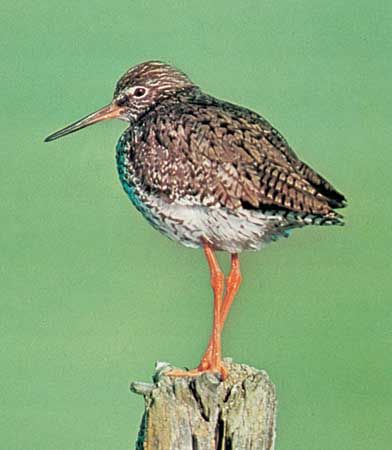
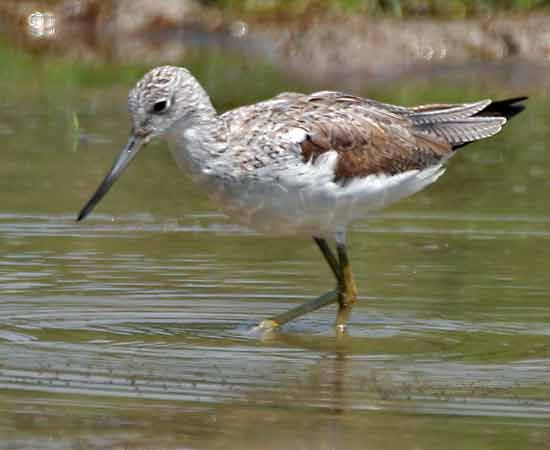
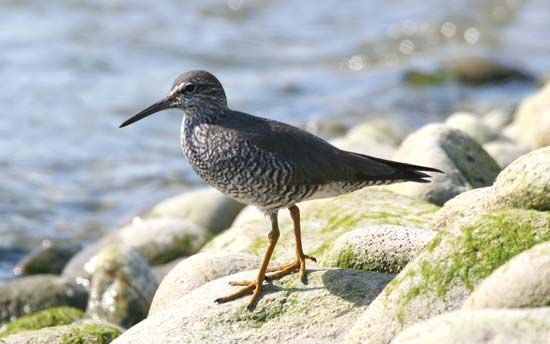
- Ornithology: A tattler is a type of shorebird known for calling loudly when alarmed. This group includes species like the wandering tattler, as well as related birds such as the redshank, greenshank, willet, and yellowlegs.1
- Literature: The Tatler was a prominent 18th-century London periodical founded by Sir Richard Steele. It played a foundational role in the development of the English periodical essay, later featuring contributions from Joseph Addison.2
- General Usage: In common parlance, a “tattler” refers to a person who informs on others, often regarding wrongdoing or secrets.3
What are some other types of shorebirds?
Shorebirds, also known as waders, belong to the suborder Charadrii within the order Charadriiformes. These birds are typically found along sea beaches, inland mudflats, and other open shorelines where they walk or wade to feed.45
Beyond the tattler, there are many other types of shorebirds, including:
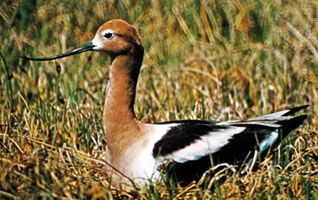
- Avocet and stilt
- Courser and pratincole
- Lapwing
- Oystercatcher
- Phalarope
- Plover (including the crab plover)
- Sandpiper (such as the white-rumped sandpiper)
- Snipe (including the painted snipe)
- Seedsnipe
- Sheathbill
- Thickknee
These species vary significantly in size, ranging from the sparrow-sized least sandpiper to large curlews that can weigh as much as a small chicken. Many of these birds are known for their extensive migrations, often traveling from Arctic breeding grounds to wintering sites across the globe.567
How did coffee houses influence 18th-century literature?
In 18th-century Britain, coffeehouses served as vital hubs for social, political, and literary life, acting as the primary venues where news was gathered, discussed, and disseminated. These establishments were instrumental in the development of 18th-century journalism and literature by providing a physical space for the exchange of ideas and the distribution of periodicals.89
The influence of coffeehouses on literature was particularly evident in the work of Joseph Addison and Sir Richard Steele. Their influential periodicals, The Tatler and The Spectator, were frequently read in coffeehouses, which also served as the imagined setting for the “Spectator Club” and its discussions. By reporting on these social interactions, Addison and Steele helped establish the periodical essay as a prestigious genre, creating a receptive public for the rise of the English novel. Furthermore, coffeehouses provided a platform for writers, actors, and artists to perform or declaim for their coteries, fostering a culture of polite sociability that transcended political partisanship.81011
What is the difference between a tattler and a whistleblower?
While the terms “tattler” and “whistleblower” are sometimes used as synonyms for a person who reveals wrongdoing, they carry distinct connotations regarding intent, scope, and moral weight.
A whistleblower is typically defined as an individual who reveals private or classified information about an organization regarding misconduct, such as corruption, fraud, or dangerous working conditions. This action is generally framed as a commitment to the public interest, often occurring when internal reporting mechanisms have failed to address significant threats to health, safety, or human rights. Because whistleblowing can cause major organizational disruption, it is often evaluated based on the seriousness of the behavior and the public good it achieves.2
In contrast, a “tattler” (or tattletale) is often characterized by a more informal or petty motivation, such as reporting minor infractions or personal grievances. While both roles involve disclosing information, the term “whistleblower” is reserved for those addressing systemic issues of public concern, whereas “tattler” is frequently used to describe someone reporting on interpersonal or trivial matters.12132
Sources
- Tattler — Encyclopædia Britannica
- tattler — Merriam-Webster
- The Tatler — Encyclopædia Britannica
- Shorebird — Encyclopædia Britannica
- Charadriiform — Encyclopædia Britannica
- Charadriiform - General features — Encyclopædia Britannica
- Migration - In Europe — Encyclopædia Britannica
- English literature - Journalism — Encyclopædia Britannica
- United Kingdom - Urban development — Encyclopædia Britannica
- café — Encyclopædia Britannica
- The Spectator — Encyclopædia Britannica
- whistleblowers — Merriam-Webster
- whistleblower — Encyclopædia Britannica
- tattlers — Merriam-Webster
Published on · 3 min read