Yeongsan River
The Yeongsan River is a 80-mile (130 km) river located in southwestern South Korea. It originates in the northern part of South Jeolla province and flows…
What is Yeongsan River?
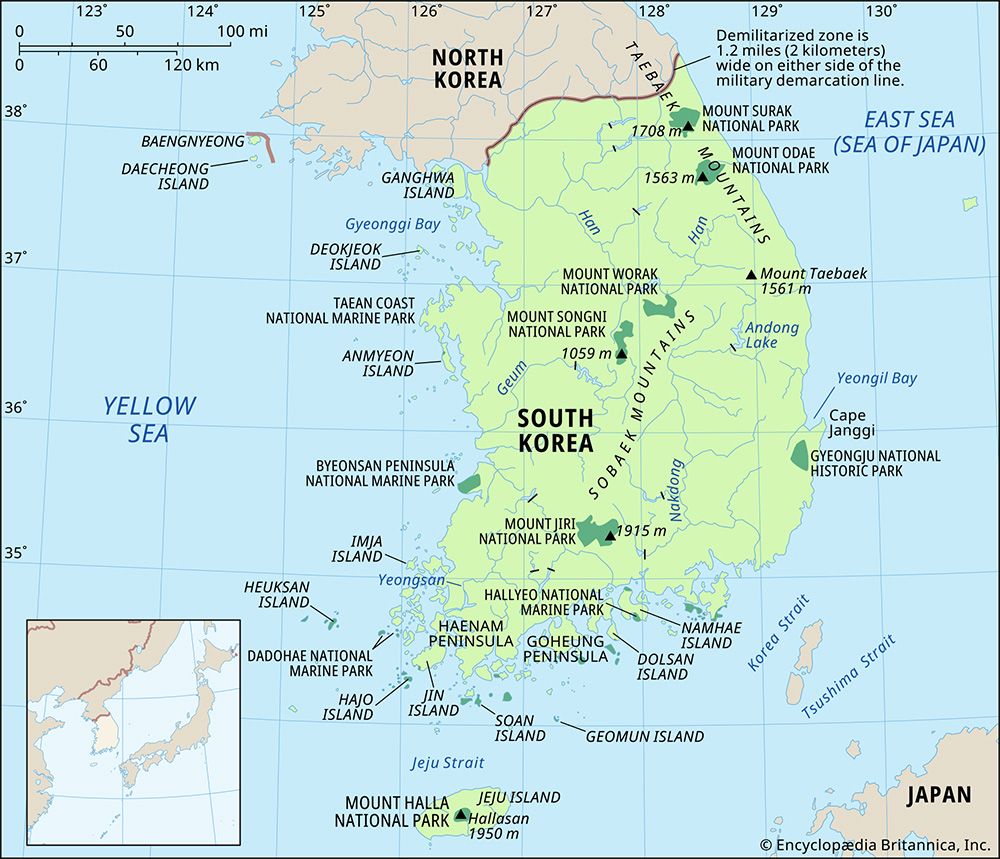
The Yeongsan River is a 80-mile (130 km) river located in southwestern South Korea. It originates in the northern part of South Jeolla province and flows southwest, eventually emptying into the Yellow Sea near the city of Mokpo.1
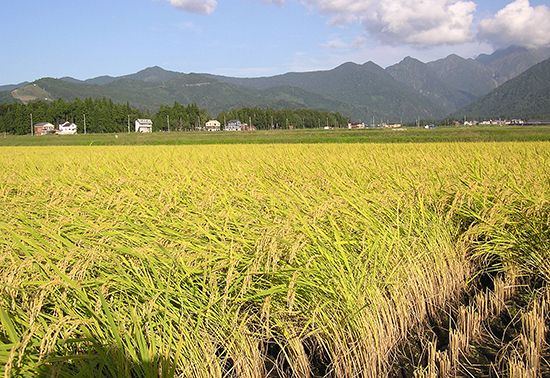
The river’s drainage basin is recognized as the most significant rice-producing region in South Korea. To manage the water supply and mitigate flooding, four multipurpose dams were constructed along the river during the late 20th century.1
How does the Yeongsan River support rice farming?
The Yeongsan River is vital to rice cultivation in South Korea primarily because its basin forms the country’s most significant granary region. The river supports this agricultural productivity through several key factors:12
- Fertile Plains: The river creates expansive, fertile plains along its course, which provide the ideal environment for large-scale rice production.2
- Water Management: To ensure a consistent water supply for farming and to mitigate the risks of flooding, four multipurpose dams were constructed along the river in the late 20th century.1
- Favorable Climate: The region surrounding the river benefits from abundant annual rainfall, exceeding 47 inches (1,200 mm), and enjoys the warmest climate on the Korean peninsula, both of which are highly conducive to the growth of rice and other crops like wheat and barley.2
What is the significance of the Yellow Sea to South Korea?
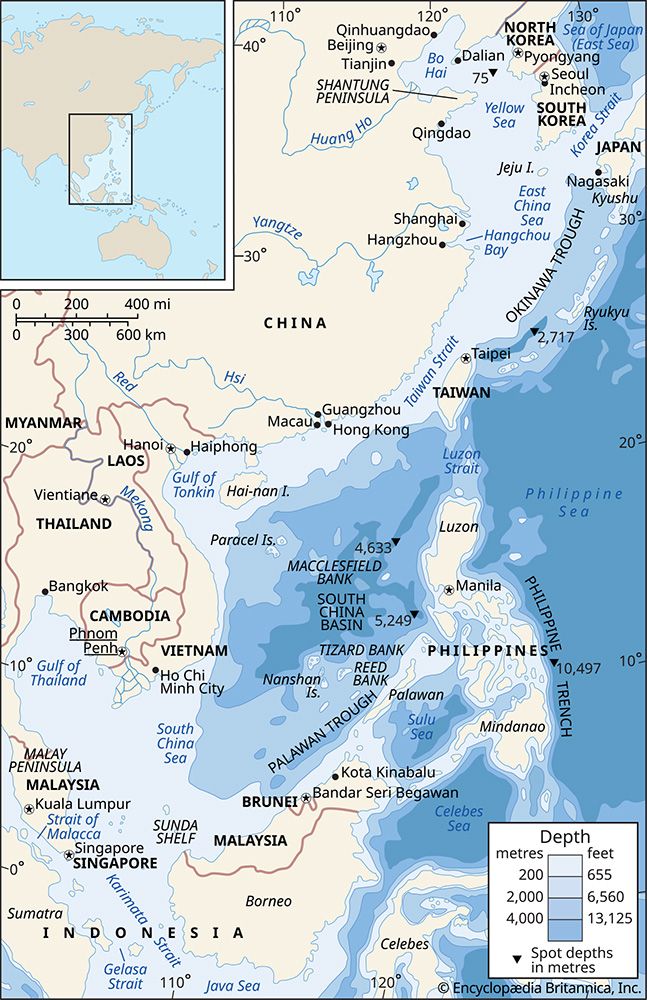
The Yellow Sea is of significant importance to South Korea, serving as a vital hub for economic activity, maritime trade, and natural resources.
Economic and Trade Significance
- Maritime Trade: The sea is a critical corridor for international trade among bordering nations. Incheon, a major South Korean port, serves as the essential outport for the capital city of Seoul, facilitating the movement of goods and commerce.3
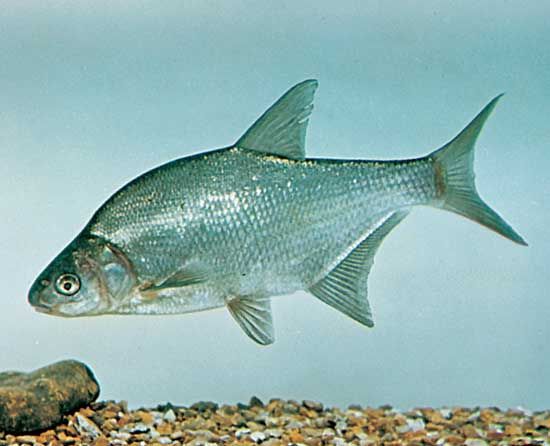
- Fisheries: The region is renowned for its rich fishing grounds. South Korean trawlers have historically exploited these demersal fish resources, which include species such as sea bream, cutlass fish, flounders, and prawns. However, these stocks are currently overfished, leading to a decline in valuable species.3
Physical and Environmental Context
- Coastal Geography: The western coast of the Korean peninsula is characterized by a high tidal range, reaching up to 27 feet (8.2 meters) in some areas, which influences local navigation and coastal development.3
- Geological Features: The seafloor near the Korean peninsula is part of a unique, shallow continental shelf that was submerged following the last ice age. The area receives significant sediment deposits, which have shaped the coastal environment over time.3
What are the major rivers in South Korea?
South Korea’s drainage system is defined by its mountainous terrain, with the Taebaek Mountains serving as the primary drainage divide. Most of the country’s rivers originate in these mountains and flow westward or southward into the Yellow Sea or the East China Sea.56
The three principal rivers of South Korea are:
- Nakdong River: At 325 miles (523 km), it is the longest river in South Korea. It flows southward from the Taebaek Mountains and enters the Korea Strait near Busan. It is a vital resource for agriculture and urban water supply in the southeastern region.75
- Han River: Stretching 319 miles (514 km), this river flows westward through Seoul to the Yellow Sea. It has historically served as a major transportation route and currently provides essential water for industrial and general use, as well as hydroelectric power from its upper reaches.8
- Geum River: Along with the Han and Nakdong, the Geum is recognized as one of the country’s three major rivers, also originating in the Taebaek Mountains.5
Sources
- Yeongsan River — Encyclopædia Britannica
- South Jeolla — Encyclopædia Britannica
- Yellow Sea — Encyclopædia Britannica
- Korea Bay — Encyclopædia Britannica
- Han River — Encyclopædia Britannica
- Nakdong River — Encyclopædia Britannica
- South Korea - Drainage — Encyclopædia Britannica
- South Korea - Relief — Encyclopædia Britannica
Published on · 3 min read