Amakihi
The amakihi (Loxops virens) is a small, yellowish- to grayish-green songbird native to the Hawaiian Islands. It is a member of the Hawaiian honeycreeper…
What is Amakihi?
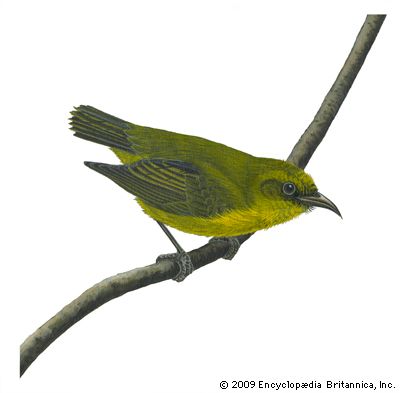
The amakihi (Loxops virens) is a small, yellowish- to grayish-green songbird native to the Hawaiian Islands. It is a member of the Hawaiian honeycreeper family (Drepanididae), a group of birds that underwent significant evolutionary radiation in the Pacific.123
Measuring approximately 12 cm (5 inches) in length, the amakihi is characterized by a black eye-mark and a short, slightly curved bill. These birds possess long, tube-shaped, and brush-tipped tongues, which they use to feed on insects, small fruits, and nectar in brushland and forest habitats. They are known for their distinct mewing and trilling calls.123
As with many other species in their family, the amakihi faces ecological pressures due to habitat loss and the introduction of non-native species, which have threatened the survival of many Hawaiian honeycreepers.3
What are some other types of Hawaiian honeycreepers?
The Hawaiian honeycreepers (family Drepanididae) are a diverse group of birds that evolved exclusively in the Hawaiian Islands. While the amakihi is one well-known example, the group includes several other distinct species, many of which are named using native terms. Notable examples include:
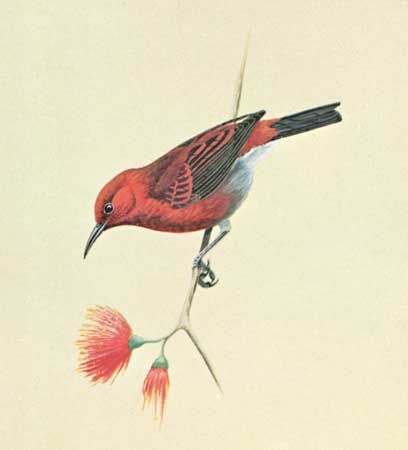
- Apapane: A nectar-feeding species known for its vibrant appearance.3
- Iiwi: Another iconic member of the family, recognized for its specialized feeding habits.3
- Mamo: A species historically significant within the group.3
These birds underwent a remarkable evolutionary radiation, similar to Darwin’s finches, resulting in a wide variety of bill shapes and plumage colors adapted to different food sources, such as nectar, seeds, fruits, and insects. It is important to note that these birds are distinct from the tropical honeycreepers found in the Western Hemisphere, which belong to the family Thraupidae. Unfortunately, due to habitat destruction and the introduction of foreign species, many Hawaiian honeycreepers are now endangered or extinct.34
How did Hawaiian honeycreepers evolve to have different bill shapes?
The evolution of diverse bill shapes in Hawaiian honeycreepers is a classic example of adaptive radiation. This process occurred after a single ancestral species colonized the remote Hawaiian Islands, where the birds encountered an abundance of unoccupied ecological niches and few competitors.35
As these populations evolved independently in various island environments, natural selection favored individuals with bill shapes best suited to specific food sources. Because bills are evolutionarily plastic, they reacted with relative ease to these selective pressures. Over time, this led to a wide array of specialized forms:56
- Nectar feeders: Evolved long, thin, and often decurved (downward-curved) bills to probe flowers for nectar.36
- Seed and fruit eaters: Developed heavy, finchlike, or grosbeaklike bills capable of crushing seeds or tearing apart tough fruits.36
- Insectivores: Evolved thin, pointed bills designed for probing crevices or bark to extract insects.6
This diversification allowed the descendants of the original immigrant form to exploit a variety of food sources, resulting in the remarkable morphological range seen within the family Drepanididae.365
Why are many native Hawaiian bird species considered endangered?
Many native Hawaiian bird species, particularly the Hawaiian honeycreepers, are considered endangered due to a combination of human-driven environmental changes and the introduction of nonnative species.78
The primary factors contributing to their decline include:
- Avian Malaria: Introduced in the 1820s via mosquitoes, avian malaria has devastated native bird populations that had no prior exposure to the disease. While many honeycreepers retreated to high-elevation forests to escape malaria-carrying mosquitoes, rising temperatures have allowed these mosquitoes to reach higher altitudes, further threatening the remaining populations.7
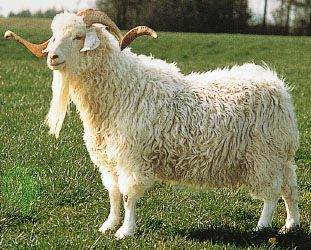
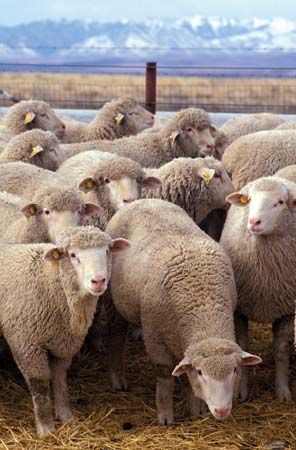
- Habitat Destruction: Extensive loss of native forests has been a major driver of extinction. The destruction of nectar-producing plants by introduced mammalian herbivores—such as goats, pigs, and sheep—has removed critical food sources for specialized feeders.9
- Introduced Predators and Competitors: The introduction of foreign animals, including rats, mongooses, and various nonnative bird species, has placed immense pressure on native ecosystems. These introduced species compete for resources or directly prey upon native birds and their nests.38
- Specialization: Many native birds are highly specialized, relying on specific plants or insects for survival. As these specific food sources disappear due to habitat degradation, the birds that depend on them face a high risk of extinction.9
Sources
- Amakihi — Encyclopædia Britannica
- amakihi — Merriam-Webster
- Hawaiian honeycreeper — Encyclopædia Britannica
- Honeycreeper — Encyclopædia Britannica
- Passeriform - Bill — Encyclopædia Britannica
- evolution - Adaptive radiation — Encyclopædia Britannica
- avian malaria — Encyclopædia Britannica
- Hawaii - Plant and animal life — Encyclopædia Britannica
- conservation - Secondary extinctions — Encyclopædia Britannica
Published on · 3 min read