Are Santa’s Reindeer Female?
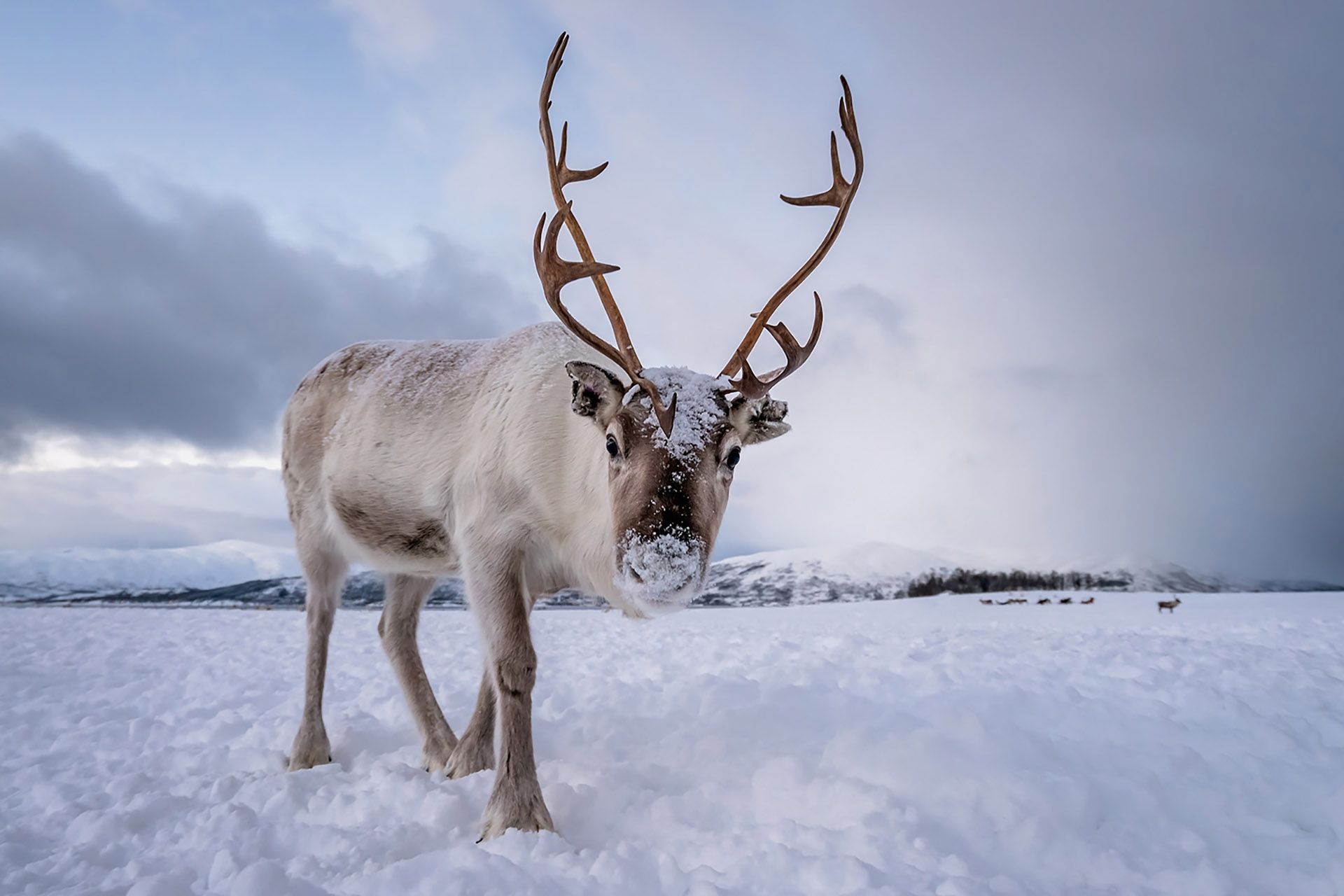
If Santa’s reindeer follow the biological patterns of wild reindeer, they are likely all female.
Are Santa’s Reindeer Female?
If Santa’s reindeer follow the biological patterns of wild reindeer, they are likely all female.
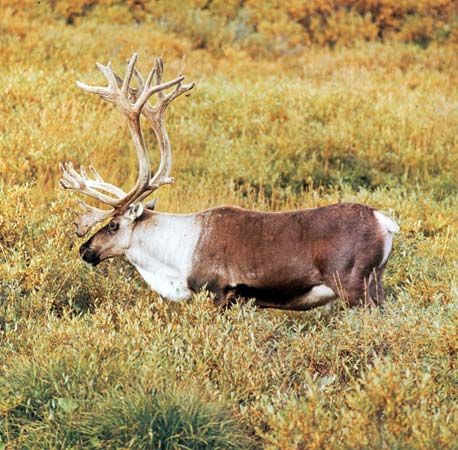
Reindeer are the only deer species in which both sexes grow antlers. However, their shedding cycles differ: males typically shed their antlers in late fall, while females retain theirs throughout the winter to defend feeding sites in the snow. Since Santa’s reindeer are traditionally depicted with antlers on Christmas Eve, it is biologically consistent to conclude they are female.12
Despite this, cultural depictions often complicate the matter. For instance, the famous story of Rudolph the Red-Nosed Reindeer identifies him as a male, suggesting that the magical nature of Santa’s team may transcend standard biological rules.1
How do reindeer survive in the harsh Arctic winter?
Reindeer have evolved several specialized adaptations to survive the harsh conditions of the Arctic winter:
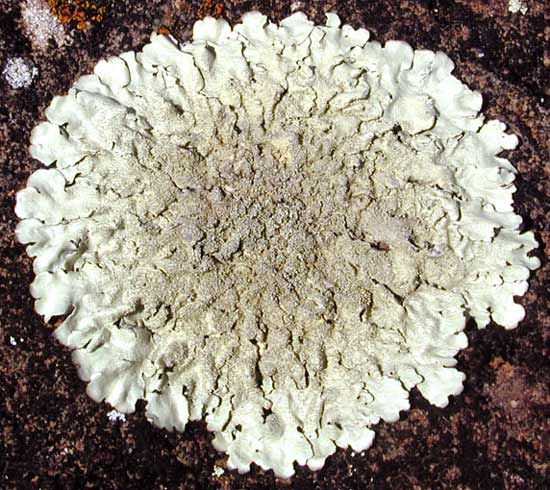
- Dietary Efficiency: During winter, reindeer rely on high-carbohydrate lichens known as reindeer moss. Because this is a low-protein diet, they have developed the ability to recycle urea within their digestive systems to utilize its nitrogen, allowing them to maintain their health on limited nutrients.25
- Foraging Techniques: Reindeer use their deeply cloven hooves to dig craters in the snow to reach the lichen beneath. Their hooves are also designed to spread out, which helps them walk across soft ground or snow without sinking.25
- Insulation: Their coats provide excellent protection against the cold. They possess heavy guard hairs that are hollow, which significantly increases the insulating properties of their fur.2
- Metabolic Adjustments: As winter sets in, the metabolism of a reindeer slows down, helping them conserve energy during periods of low food availability.2
- Social Behavior: Females retain their antlers throughout the winter, which allows them to defend their feeding craters from other reindeer.2
What is the difference between antlers and horns?
While often confused, antlers and horns are distinct biological structures with different compositions and growth patterns.
Antlers
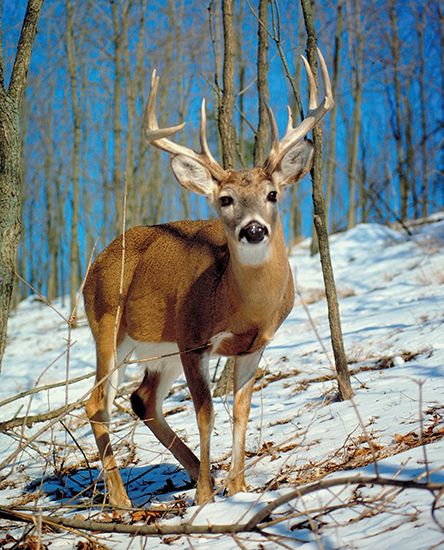
Antlers are found primarily in deer and are characterized by the following:
- Composition: They are composed entirely of bone and are not covered by a permanent horny sheath.78
- Growth: During their growth phase, they are covered in a fine-haired skin known as “velvet”.78
- Cycle: They are shed and regrown annually.78
- Structure: They are branched outgrowths that typically increase in complexity and size as the animal ages.78
Horns
True horns are found in animals such as cattle, sheep, goats, and antelopes:
- Composition: They consist of a bony core covered by a sheath of keratin (the same material as fingernails).78
- Growth: They are simple, unbranched structures that are never shed.7
- Permanence: If a true horn is lost, it does not regenerate.8
While both structures serve as weapons for defense or competition, their fundamental development and maintenance differ significantly.78
Why do reindeer migrate such long distances?
Tundra reindeer migrate in massive herds to navigate the seasonal availability of food across the Arctic landscape. This annual cycle, which can cover up to 5,000 km (3,000 miles), is driven by the need to access different habitats for survival.6
In the spring, reindeer aggregate and move from the forests onto the tundra to take advantage of summer food sources, such as grasses, sedges, green leaves of shrubs, and new growth of larch, willow, and birch. As autumn approaches, they mass again to return to the forests, where they spend the winter dispersed. During these colder months, they rely on high-carbohydrate lichens known as reindeer moss, which they access by digging through the snow. This migration ensures they can exploit nutrient-rich vegetation during the short growing season while finding shelter and accessible food during the harsh winter months.62
Sources
- Are Santa’s Reindeer Female? — Encyclopædia Britannica
- reindeer — Encyclopædia Britannica
- Why do deer shed their antlers? — Encyclopædia Britannica
- Santa Claus — Encyclopædia Britannica
- Taiga - Mammals — Encyclopædia Britannica
- reindeer: Top Questions — Encyclopædia Britannica
- horn — Encyclopædia Britannica
- artiodactyl - Horns and antlers — Encyclopædia Britannica
Published on · 3 min read