Batu Islands
The Batu Islands are a group consisting of three major islands—Pini, Tanahmasa, and Tanahbala—along with 48 islets located off the west coast of Sumatra…
What is Batu Islands?
The Batu Islands are a group consisting of three major islands—Pini, Tanahmasa, and Tanahbala—along with 48 islets located off the west coast of Sumatra, Indonesia.1
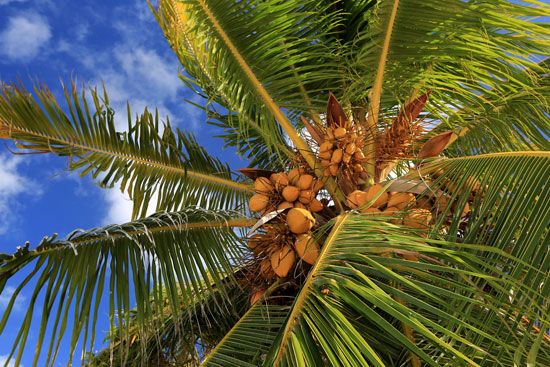
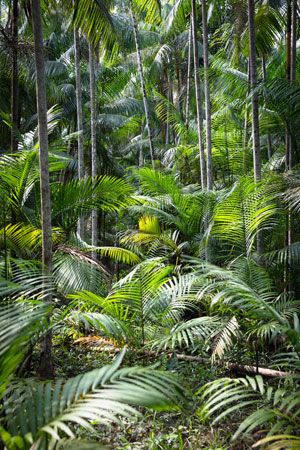
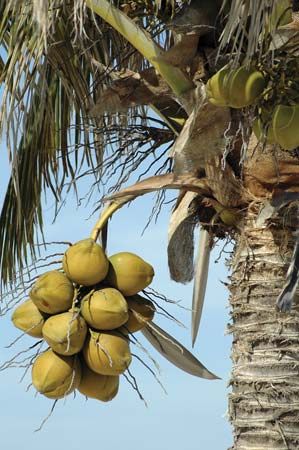
Administratively, the islands are part of the North Sumatra province, with the administrative center located at Pulautelo on Sibuasi Island. The islands are generally low-lying and forested, with coconut palms being a notable feature; consequently, the local economy is primarily based on copra and forest products. Of the total group, only about 20 of the smaller islands are inhabited, and the local population is of Malay or Proto-Malay ancestry, sharing cultural similarities with the people of Nias Island.1
What are the main islands that make up the Batu Islands group?
The Batu Islands group is composed of three major islands and 48 smaller islets located off the western coast of Sumatra, Indonesia. The three largest islands that define the group are:
- Pini
- Tanahmasa
- Tanahbala
The administrative center for the region is situated at Pulautelo on Sibuasi Island.1
How does the geography of the Batu Islands compare to other Indonesian archipelagos?
The geography of the Batu Islands differs significantly from the primary volcanic chains of the Indonesian archipelago. While many major Indonesian islands—such as those in the Lesser Sunda chain or the interior of Sumatra—are defined by active volcanic mountains and high relief, the Batu Islands are generally low-lying and forested, characterized by coconut palms and swampy terrain.134
The Batu Islands belong to a string of nonvolcanic islands situated off the western coast of Sumatra, which also includes Simeulue, Nias, and the Mentawai Islands. This outer fringe contrasts sharply with the Sumatran mainland, which features the volcanic Barisan Mountains and broad alluvial lowlands. Unlike the volcanic arcs that sit on the Sunda Shelf and experience intense tectonic activity, the Batu Islands represent a distinct geological setting, lacking the volcanic cones and deep-sea trenches that dominate the relief of central Java or the Moluccas.43
What kind of products are traditionally harvested from the Batu Islands?
The economy of the Batu Islands is primarily driven by the harvesting of forest products and the cultivation of coconut palms.
The most significant product derived from these islands is copra—the dried meat of the coconut—which serves as a vital source of coconut oil and is a key export for the region. In addition to copra, the islands’ forested landscape provides various other resources, though specific details on non-coconut forest products are generally categorized under the broader heading of forest exploitation.617
Sources
- Batu Islands — Encyclopædia Britannica
- Riau Islands — Encyclopædia Britannica
- Indonesia - Relief — Encyclopædia Britannica
- Indonesia - Islands of the Sunda Shelf — Encyclopædia Britannica
- list of islands - Indonesia — Encyclopædia Britannica
- Papua New Guinea - Agriculture, forestry, and fishing — Encyclopædia Britannica
- Copra — Encyclopædia Britannica
- Coconut palm — Encyclopædia Britannica
Published on · 2 min read