Black-eyed Susan
The Black-eyed Susan (Rudbeckia hirta) is a North American coneflower belonging to the Asteraceae family. Often grown as an ornamental garden plant, it…
What is Black-eyed Susan?
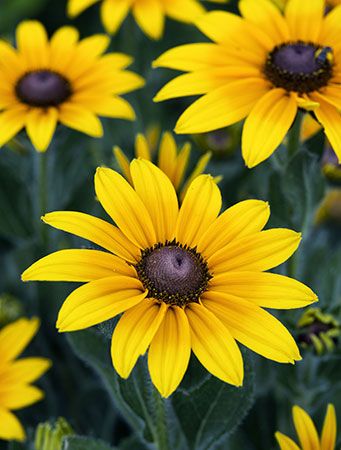
The Black-eyed Susan (Rudbeckia hirta) is a North American coneflower belonging to the Asteraceae family. Often grown as an ornamental garden plant, it exists as an annual or a short-lived perennial native to prairies and open woodlands.12
The plant typically reaches about 76 cm (30 inches) in height and features rough, hairy stems with large ovate leaves. Its distinctive flowers, which bloom in late summer and early autumn, consist of deep yellow to orange ray flowers surrounding a dark, conical center made of numerous disk flowers. These plants are highly valued for their ability to attract birds and butterflies, and their blooms are frequently used in floral arrangements.12
What is the difference between an annual and a perennial plant?
The primary difference between annual and perennial plants lies in the length of their life cycles and their ability to regrow.
Annual Plants
An annual is a plant that completes its entire life cycle—from germination to seed production and death—within a single growing season. Because the plant dies after one season, the dormant seed is the only part that survives to continue the species into the next year. Common examples include corn, marigolds, and zinnias.34
Perennial Plants
A perennial is any plant that persists for several years. Unlike annuals, perennials are capable of regrowing and reblooming year after year. In cold climates, many herbaceous perennials survive the winter by dying back to the ground, while their underground structures—such as bulbs, rhizomes, or tubers—remain alive to produce new shoots the following season. All trees and shrubs are perennials, as are many garden favorites like chrysanthemums and peonies.564
How do pollinators like butterflies interact with coneflowers?
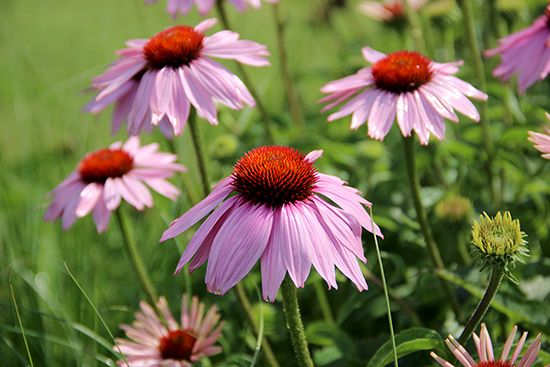
Pollinators like butterflies and bees interact with coneflowers and other similar flowering plants through a mutually beneficial relationship. These plants have evolved specific characteristics to attract insects, such as bright colors, fragrances, and the production of nectar, which serves as a food source for the pollinators.78
As insects forage from flower to flower to feed, they inadvertently facilitate cross-pollination. Pollen grains adhere to the bodies of the insects and are transferred to the stigma of the next flower they visit, enabling cross-fertilization. Many such flowers, particularly those in the Asteraceae family, are structured to provide a landing platform for these visitors, ensuring efficient pollen transfer during a single visit. This process is essential for the plant’s reproduction, as it promotes genetic variability and the production of higher-quality seeds compared to self-pollination.798
What are some other common wildflowers found in North American prairies?
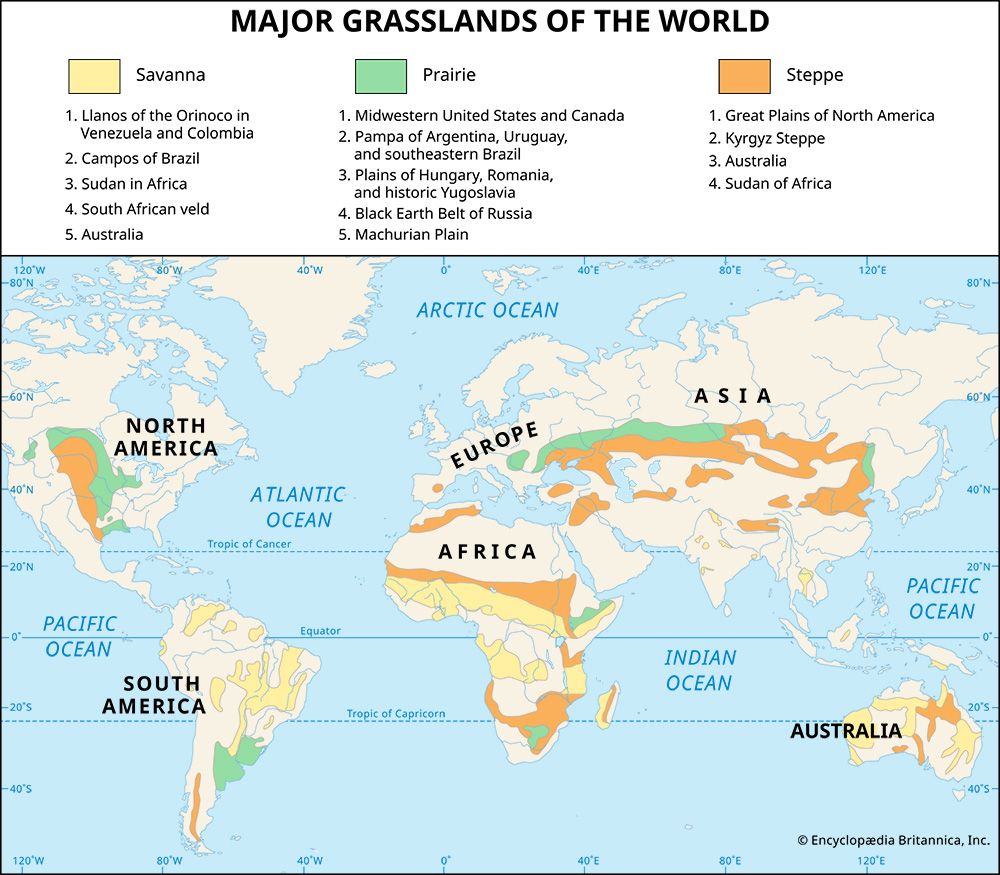
North American prairies are home to a diverse array of wildflowers that thrive alongside native grasses. Beyond the well-known coneflower, several other species are characteristic of these ecosystems:
- Fireweed: A perennial member of the evening primrose family, this plant is known for its tall spikes of whitish to magenta flowers. It is often one of the first species to colonize areas following a fire or land clearing.12
- Wild Prairie Rose: This plant serves as the state flower of North Dakota and is a classic representative of the prairie landscape.13
- Prairie Bird’s-foot Trefoil: An annual North American herb (Lotus americanus) that produces distinctive red or rose-colored flowers.14
- Black-eyed Susan: A member of the Rudbeckia genus, this popular wildflower is frequently found in prairie-like settings and is often cultivated in gardens.15
These flowering plants, along with many others from the pea and composite families, play a vital role in the prairie ecosystem by providing essential resources for pollinators.16
Sources
- Black-eyed Susan — Encyclopædia Britannica
- black-eyed Susan — Merriam-Webster
- Is That Plant 'Perennial' or 'Annual'? — Merriam-Webster
- Perennial — Encyclopædia Britannica
- Annual — Encyclopædia Britannica
- Angiosperm - General features — Encyclopædia Britannica
- Botanical Sex: 9 Alluring Adaptations — Encyclopædia Britannica
- Major types of pollinators - Bees — Encyclopædia Britannica
- Pollination - Bees — Encyclopædia Britannica
- Pollination - Structural — Encyclopædia Britannica
- Cross-pollination — Encyclopædia Britannica
- Coneflower — Encyclopædia Britannica
- Prairie — Encyclopædia Britannica
- Did you know? — Merriam-Webster
- prairie grass — Merriam-Webster
- North Dakota: Country Facts — Encyclopædia Britannica
- prairie bird's-foot trefoil — Merriam-Webster
Published on · 3 min read