Chuckwalla
The chuckwalla is a stocky lizard native to the arid, rocky regions of southwestern North America. Its survival in these harsh environments is defined by…
What is the chuckwalla’s diet and how does it adapt to its desert environment?
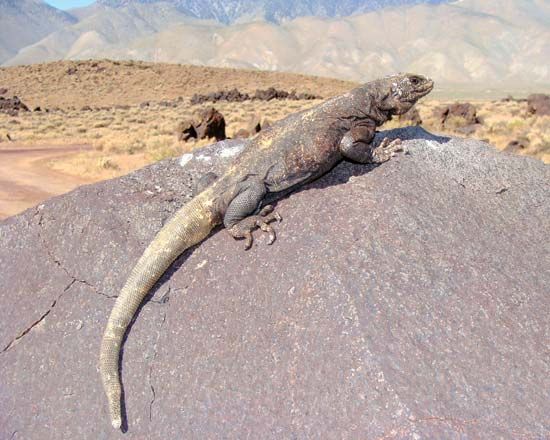
The chuckwalla is a stocky lizard native to the arid, rocky regions of southwestern North America. Its survival in these harsh environments is defined by specialized dietary habits and unique physical defenses.
Diet
Chuckwallas are primarily herbivorous, consuming a variety of desert plants, such as the leaves of the creosote bush. Because they cannot digest cellulose on their own, they rely on a rich gut flora of microorganisms to break down plant material. While they are mainly plant-eaters, they will occasionally consume insects.1
Environmental Adaptations
To thrive in rocky desert terrain, the chuckwalla utilizes a clever defense mechanism:
- Refuge: They seek shelter in narrow rock crevices.1
- Inflation: Once inside a crevice, they inflate their bodies to wedge themselves firmly in place.1
- Physical Armor: Small, spiny scales on their backs make them extremely difficult for predators to extract.1
How do chuckwallas defend themselves from predators?
Chuckwallas primarily defend themselves by utilizing their rocky habitat to evade predators. When threatened, they quickly retreat into narrow rock crevices located in the piles of stone where they typically reside.12
Once inside a crevice, the chuckwalla employs a highly effective physical defense: it inflates its body with air, which wedges it firmly against the rock walls. This inflation, combined with the small, spiny scales covering its dorsal surface, makes it extremely difficult for a predator to pull the lizard out of its hiding spot.12
Where are chuckwallas typically found in the wild?
Chuckwallas are native to the arid, rocky hills of southwestern North America. Specifically, the common chuckwalla (Sauromalus ater) is found throughout the southwestern United States, while other species within the genus inhabit various islands located in the Gulf of California.13
What role do chuckwallas play in their ecosystem?
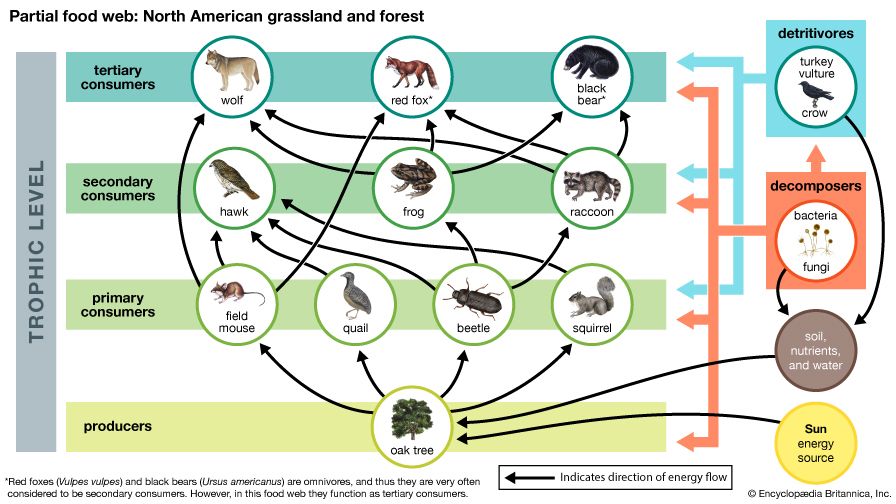
Chuckwallas serve as important herbivores within their desert ecosystems. By consuming a variety of desert plants, such as the leaves of the creosote bush (Larrea tridentata), they play a role in the local food web.1
Because these lizards cannot digest cellulose on their own, they rely on a specialized gut flora of microorganisms to break down plant material, a process that highlights their adaptation to arid environments. While they are primarily herbivorous, they also occasionally consume insects, further integrating them into the trophic dynamics of their habitat.1
Sources
- chuckwalla — Encyclopædia Britannica
- lizard - Defensive strategies — Encyclopædia Britannica
- chuckwalla — Merriam-Webster
Published on · 2 min read