Conception Bay
Conception Bay is an inlet of the Atlantic Ocean located on the north coast of the Avalon Peninsula in southeastern Newfoundland, Canada.
Where is Conception Bay located, and what are its geographical features?
Conception Bay is an inlet of the Atlantic Ocean located on the north coast of the Avalon Peninsula in southeastern Newfoundland, Canada.12
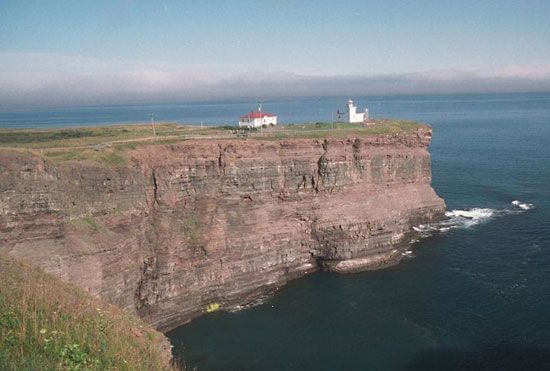
The bay measures approximately 30 miles (50 km) in length and 12 miles (19 km) in width. Its shorelines are among the oldest and most densely settled areas in Newfoundland, featuring numerous fishing communities and towns such as Harbour Grace and Carbonear. A notable geographical feature within the southeastern part of the bay is Bell Island, which is situated 3 miles off the Avalon Peninsula.123
Historically, the region is significant for its rich iron-ore deposits, which were mined on Bell Island until 1966. The area also holds historical importance as the site of the first English settlement in Newfoundland, established at Cupids in 1610.13
What are some of the major towns and communities located along Conception Bay?
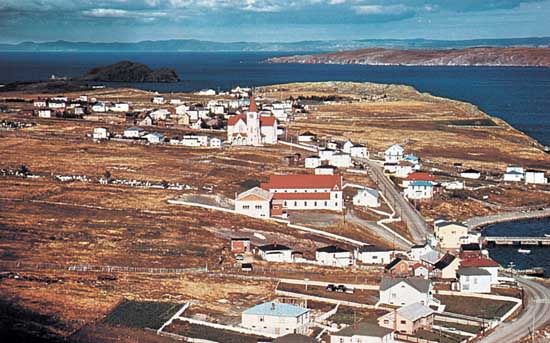
The shorelines of Conception Bay are among the oldest and most densely settled areas in Newfoundland, featuring a variety of historic towns and smaller communities. Major settlements along the bay include:
- Harbour Grace: A significant historic town on the bay’s shore.12
- Carbonear: A prominent town known for its long-standing history in the region.12
- Wabana: Located on Bell Island, this is the largest town on the island and historically served as a major center for iron-ore mining.13
- Conception Bay South: A notable town situated along the bay’s coastline.4
- Cupids: Located on the southwestern shore, this community is historically significant as the site of the first English settlement in Newfoundland, established in 1610.1
- Holyrood: A community known for its beach resorts and support for local industries.1
In addition to these larger towns, the bay is home to numerous small fishing communities that have traditionally supported seafood processing and local economies.14
How does Conception Bay contribute to the economy of Newfoundland and Labrador?
Conception Bay has played a significant role in the economic history of Newfoundland and Labrador, primarily through its natural resources and coastal location.
- Mining: Historically, the bay was a major industrial hub due to rich deposits of red hematite iron ore found on Bell Island. From 1895 until 1966, the town of Wabana served as a global center for iron-ore production. The closure of these mines in 1966 led to significant economic challenges for the area.125
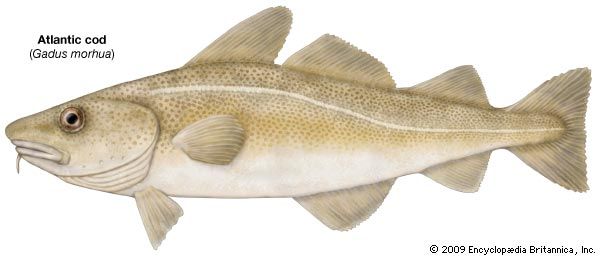
- Fisheries: The bay’s shorelines have long supported fishing communities. While the traditional salt-cod industry has largely disappeared, these communities continue to support seafood canneries and processing operations. Today, the broader provincial fishing industry has shifted toward shellfish and aquaculture to remain viable.16
- Tourism and Services: The region’s coastal geography supports beach resorts, such as those in Holyrood, and has benefited from a heritage movement that promotes tourism and the preservation of historic sites like Cupids. Additionally, the area serves as a residential and service hub for the Avalon Peninsula, with ferry services connecting island communities to the mainland.124
What role did Conception Bay play in the fishing industry of Newfoundland?
Conception Bay has historically served as a foundational hub for the fishing industry in Newfoundland. The bay’s numerous small villages were originally established by fishing families who required direct access to productive fishing grounds, suitable harbors, fresh water, and timber. This led to a characteristic pattern of settlement where homes were dispersed around the coastline to facilitate maritime activities.15
While the traditional industry once centered on the production of dried salt cod for international markets, this practice has largely disappeared since the 1940s. Today, the role of the bay in the fishing sector has evolved; many of its coastal communities now support seafood canneries and processing operations rather than traditional harvesting. Following the depletion of groundfish stocks and the subsequent 1992 moratorium, the broader provincial industry—including areas like Conception Bay—has shifted its focus toward shellfish harvesting and the expansion of aquaculture to maintain economic viability the expansion of aquaculture to maintain economic viability.61
Sources
- Conception Bay — Encyclopædia Britannica
- Bell Island — Encyclopædia Britannica
- Avalon Peninsula — Encyclopædia Britannica
- Newfoundland and Labrador - Avalon Peninsula — Encyclopædia Britannica
- New Brunswick - Agriculture, forestry, and fishing — Encyclopædia Britannica
- Newfoundland and Labrador - Agriculture, forestry, and fishing — Encyclopædia Britannica
- Wabana — Encyclopædia Britannica
- Prince Edward Island - Economy — Encyclopædia Britannica
Published on · 3 min read