Crab-eating Fox
The crab-eating fox (Cerdocyon thous) is a South American member of the dog family (Canidae). Despite its name, it is not a "true" fox of the genus Vulpes.
What is crab-eating fox?
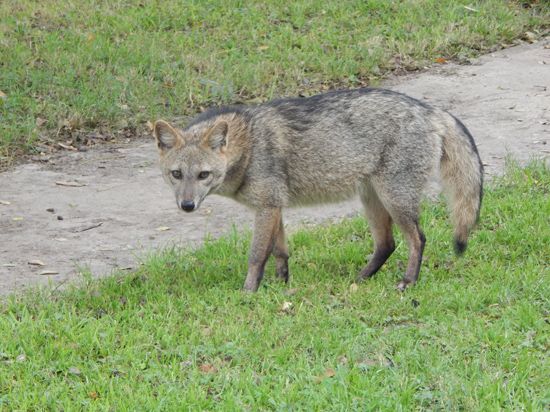
The crab-eating fox (Cerdocyon thous) is a South American member of the dog family (Canidae). Despite its name, it is not a “true” fox of the genus Vulpes.12
This animal is typically found in grassy or forested regions of South America. It measures approximately 60–70 cm (24–28 inches) in length, excluding its 30-cm tail, and possesses a coat that ranges from gray to brown, often with a yellow tinge. The crab-eating fox is primarily nocturnal, spending its days in burrows and emerging at night to forage for a varied diet that includes small animals, insects, fruit, turtle eggs, and fowl.1
Known for being easily tamed, the species is sometimes kept as a pet. It is also occasionally referred to as a “crab-eating dog” or a “rough fox”.134
What makes the crab-eating fox different from a true fox?
The primary difference between a crab-eating fox and a “true” fox lies in their biological classification. While the term “fox” is often used broadly to describe various members of the dog family (Canidae) that share similar physical traits, such as bushy tails and pointed ears, the designation “true fox” is restricted to species within the genus Vulpes.13
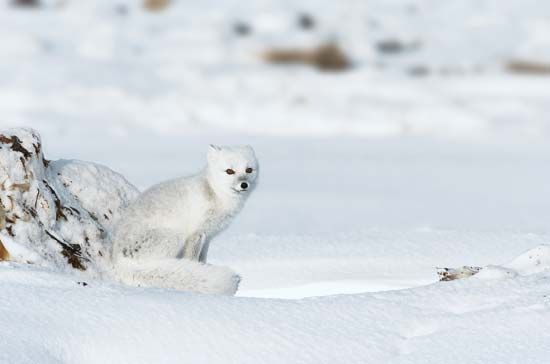
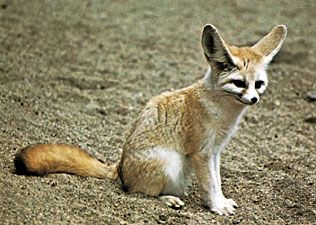
The crab-eating fox (Cerdocyon thous) belongs to an entirely different genus, Cerdocyon, and is not a member of Vulpes. Although it is a South American canid that shares the general appearance of other foxlike animals, it is distinct from the 12 species classified as true foxes, which include well-known animals like the red fox, the Arctic fox, and the fennec.5631
In essence, while the crab-eating fox is a member of the Canidae family, its evolutionary lineage and taxonomic classification separate it from the group recognized as true foxes.516
What other types of South American foxes exist?
While the term “South American fox” is commonly used, these animals are not true foxes but rather members of the genus Lycalopex that resemble them. There are six distinct species within this genus:7
- Culpeo (Lycalopex culpaeus)
- South American gray fox (Lycalopex griseus)
- Pampas fox (Lycalopex gymnocercus)
- Darwin’s fox (Lycalopex fulvipes): An endangered species native to Chile.7
- Hoary fox (Lycalopex vetulus): Found in the grasslands of Brazil.7
- Sechuran fox (Lycalopex sechurae): Native to the coasts of northwestern Peru and southwestern Ecuador.7
Beyond the Lycalopex genus, South America is home to other foxlike canids, including the bush dog, the maned wolf, the small-eared zorro, and the crab-eating fox. Additionally, the Falkland Island wolf once existed in the region but was hunted to extinction in the late 1800s.7
How do crab-eating foxes adapt to their environment?
The crab-eating fox (Cerdocyon thous) has developed several behavioral and ecological adaptations that allow it to thrive in diverse South American environments, ranging from grassy plains to forested areas.1
To manage its energy and avoid predators, the crab-eating fox is primarily nocturnal, spending its daylight hours resting in burrows. This behavior helps the animal navigate the challenges of its habitat by remaining active during cooler, darker hours when it is safer to hunt.1
Its diet is highly opportunistic, which is a key survival strategy. The crab-eating fox is an omnivore that consumes a wide variety of food sources, including small animals, insects, fruit, fowl, and turtle eggs. This dietary flexibility allows the species to maintain populations across different ecosystems where specific food sources may fluctuate. Furthermore, the species typically lives alone or in pairs, a social structure that likely aids in efficient foraging and territory management within its range.1
Sources
- crab-eating fox — Encyclopædia Britannica
- crab-eating fox — Merriam-Webster
- fox — Encyclopædia Britannica
- rough fox — Merriam-Webster
- canine - Paleontology and classification — Encyclopædia Britannica
- List of canines — Encyclopædia Britannica
- South American fox — Encyclopædia Britannica
- dog - Other wild canids — Encyclopædia Britannica
Published on · 3 min read