Do Birds Pee?
Birds do produce urine, though it differs significantly from that of mammals. While humans excrete nitrogenous waste as urea in a watery liquid, birds…
Do Birds Pee?
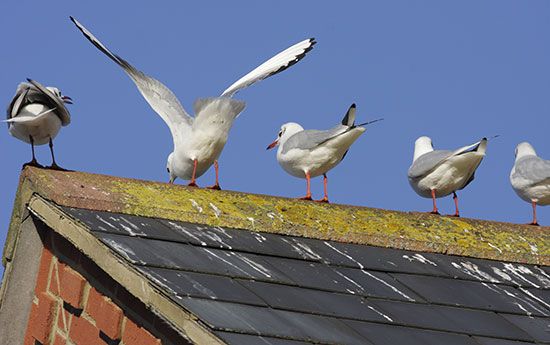
Birds do produce urine, though it differs significantly from that of mammals. While humans excrete nitrogenous waste as urea in a watery liquid, birds convert this waste into uric acid, which is excreted as a white, paste-like substance. This adaptation helps birds conserve water, as uric acid requires far less fluid to eliminate than urea.123
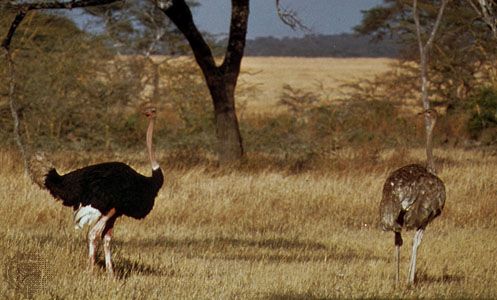
Unlike mammals, birds lack a urinary bladder and do not have a separate urethra for urination. Instead, their kidneys send waste to the cloaca, a common chamber that also receives feces and reproductive materials. Consequently, in most birds, urine and feces are expelled simultaneously, creating the familiar “white sludge” often mistaken for pure bird droppings. An exception is the ostrich, which can store and release liquid urine separately from its feces using a specialized cloacal chamber.142
What are the advantages of uric acid for water conservation in birds?
The primary advantage of uric acid for birds is its role in efficient water conservation, which is essential for survival in diverse and often dehydrating environments.6
Unlike urea, which is the nitrogenous waste product in mammals and requires significant amounts of water to be excreted as a liquid, uric acid is relatively insoluble in water. Because it does not easily dissolve, birds can excrete their metabolic waste as a concentrated, paste-like suspension of crystals rather than a dilute liquid. This allows birds to eliminate body waste while losing far less water in the process.16
Additionally, the cloaca provides a site for further water reabsorption from the waste before it is expelled, further enhancing the bird’s ability to maintain its internal water balance. By utilizing this method, birds effectively manage their salt and water levels without the need for the large volumes of fluid required by mammals.768
How does the cloaca function in other animals like reptiles and amphibians?
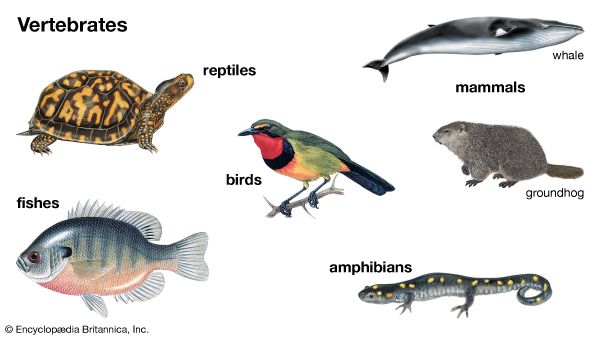
The cloaca (Latin for “sewer”) serves as a common terminal chamber for the digestive, urinary, and reproductive tracts in amphibians, reptiles, birds, and some fishes. It acts as the single outlet through which these systems empty their contents to the exterior of the body.29
Function in Reptiles and Amphibians
In these vertebrates, the cloaca is essential for both excretion and reproduction:
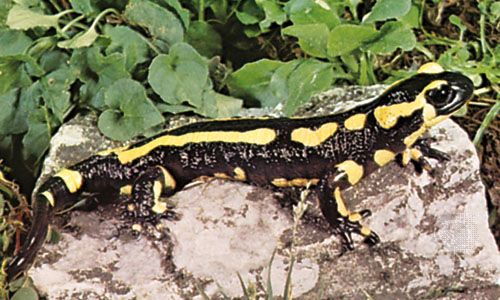
- Excretion: The cloaca receives waste from the kidneys and the intestine. In many reptiles and amphibians, a pocket of the cloaca functions as a urinary bladder for the temporary storage of urine. Terrestrial reptiles, which must conserve water, often excrete nitrogenous waste as uric acid, which forms a solid mass within the cloaca to be expelled alongside digestive waste.1011
- Reproduction: The cloaca serves as the site for the reception of sperm and the passage of eggs. Most male reptiles possess specialized copulatory organs (such as a penis or paired hemipenes) that protrude through the cloaca to transfer sperm into the female’s cloaca.210
- Internal Partitioning: In many reptiles, the cloaca is internally divided by folds into distinct chambers: the urodeum (urogenital chamber), the coprodeum (alimentary chamber), and the proctodeum (common terminal chamber).9
Why is the lack of a bladder considered an adaptation for flight?
The absence of a urinary bladder is considered an important adaptation for flight because it helps birds remain lightweight, which is essential for efficient aerial locomotion.8
In most vertebrates, a bladder stores liquid urine until it can be excreted. However, birds have evolved to produce uric acid as their primary nitrogenous waste. Because uric acid is relatively insoluble in water, it does not require the large volumes of fluid needed to store urea, allowing birds to bypass the need for a heavy, fluid-filled storage organ. Instead of being stored, waste is moved through the ureters directly into the cloaca, where it is mixed with feces and expelled from the body.18
By eliminating the need to carry the extra weight of stored liquid urine, birds optimize their body mass for flight. This structural simplification is one of several evolutionary adaptations—alongside pneumatic bones and efficient respiratory systems—that allow birds to maintain the high metabolic rates and physical agility required for life in the air.813
Sources
- Do Birds Pee? — Encyclopædia Britannica
- Cloaca — Encyclopædia Britannica
- Why Is Bird Poop White? — Encyclopædia Britannica
- uric acid — Merriam-Webster
- uric acid — Encyclopædia Britannica
- urine — Encyclopædia Britannica
- Excretion - Birds and reptiles — Encyclopædia Britannica
- Bird - Muscles and organs — Encyclopædia Britannica
- reptile - Digestive and urogenital systems — Encyclopædia Britannica
- urinary bladder — Encyclopædia Britannica
- Animal reproductive system - Gonads, associated structures, and products — Encyclopædia Britannica
- human digestive system - Evolutionary development — Encyclopædia Britannica
- How high do birds fly? — Encyclopædia Britannica
- Charadriiform - Adaptations for flight — Encyclopædia Britannica
Published on · 3 min read