Why Is Bird Poop White?
The common perception that bird droppings are entirely white is inaccurate. What is often called "bird poop" is actually a mixture of two distinct waste…
Why Is Bird Poop White?
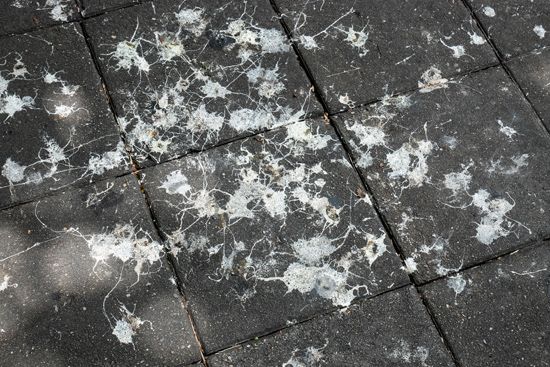
The common perception that bird droppings are entirely white is inaccurate. What is often called “bird poop” is actually a mixture of two distinct waste products eliminated simultaneously through the cloaca, a common chamber used for intestinal, urinary, and reproductive tracts.123
The dark center of the dropping is the feces, while the white, sticky paste surrounding it is actually the bird’s urine. Unlike mammals, which excrete nitrogenous waste as urea in a watery liquid, birds convert this waste into uric acid or guanine. This adaptation is highly efficient for water conservation, as uric acid does not dissolve easily in water and can be excreted as a white, semi-solid suspension with minimal fluid loss. Because birds lack a urinary bladder, this uric acid-based urine moves directly from the kidneys through the ureters into the cloaca, where it mixes with feces before being expelled.13
Why is it important for birds to conserve water?
Conserving water is essential for birds because they inhabit a wide variety of environments that are frequently dehydrating. Maintaining proper water balance is a critical physiological challenge for terrestrial organisms, as water is constantly lost to the air through evaporation and respiratory processes.43
Birds have evolved specific adaptations to manage this necessity:
- Efficient Excretion: Unlike mammals, which excrete nitrogenous waste as urea in a watery liquid, birds convert this waste into uric acid. Because uric acid does not dissolve easily in water, it can be excreted as a semi-solid paste, allowing birds to eliminate metabolic waste while losing significantly less water than they would through a liquid-based system.4
- Water Reabsorption: Birds possess a cloaca that serves as a site for some reabsorption of water from the urine before it is expelled from the body.5
- Metabolic Demands: Because birds are homeothermic (warm-blooded) and often maintain high metabolic rates for flight, they must carefully balance their internal water content against the water lost during processes like panting, which is used to dissipate excess body heat.56
What other animals besides birds have a cloaca?
A cloaca is a common chamber and outlet that serves as the terminal point for the intestinal, urinary, and reproductive tracts in many vertebrates. Beyond birds, this structure is found in several other groups:27
- Amphibians: Most amphibians possess a cloaca as a standard feature of their anatomy.27
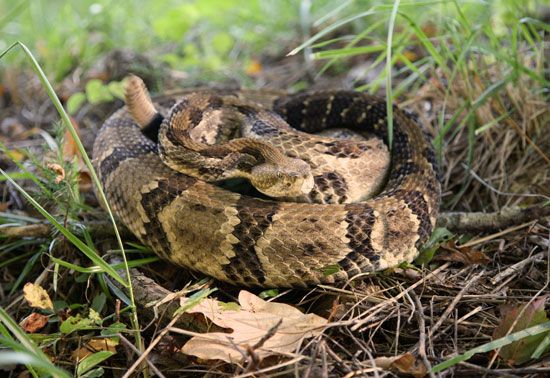
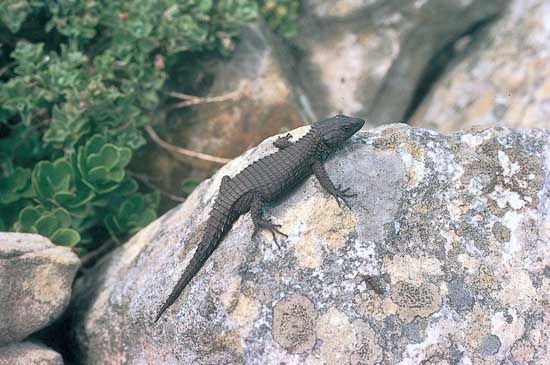
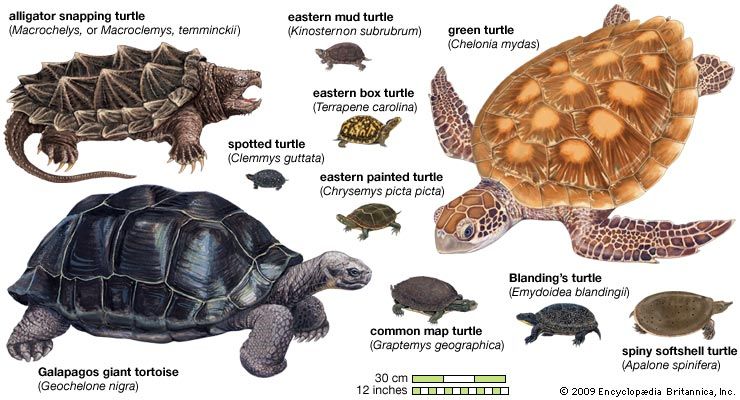
- Reptiles: Modern reptiles, including snakes, lizards, turtles, and crocodilians, utilize a cloaca for the elimination of waste and for reproductive processes.287
- Elasmobranch Fishes: This group, which includes sharks, skates, and rays, features a cloaca as the final chamber of the digestive tract.279
- Monotremes: These egg-laying mammals, such as the platypus and echidna, retain a cloaca throughout their adult lives.279
It is important to note that a cloaca is not present in placental mammals or most bony fishes, which typically have separate openings for their digestive and urogenital tracts. While a temporary cloaca appears during the embryonic development of placental mammals, it eventually partitions into independent openings.279
How does the lack of a bladder help birds fly?
The absence of a urinary bladder is considered one of several key evolutionary adaptations that help birds remain lightweight, which is essential for efficient flight.4
By not storing urine in a bladder, birds avoid the additional weight that would be required to carry liquid waste during flight. Instead of using a bladder, birds utilize a cloaca—a multipurpose chamber that receives digestive and metabolic wastes—to void urine along with feces.410
This system is further optimized by the bird’s kidneys, which convert nitrogenous waste into uric acid rather than urea. Because uric acid is excreted as a semi-solid paste rather than a watery liquid, it requires significantly less water to eliminate, supporting both weight reduction and water conservation in various environments.104
Sources
- Why Is Bird Poop White? — Encyclopædia Britannica
- Cloaca — Encyclopædia Britannica
- Do Birds Pee? — Encyclopædia Britannica
- Bird - Muscles and organs — Encyclopædia Britannica
- Pelecaniform - Physiological adaptations — Encyclopædia Britannica
- Biosphere - Humidity — Encyclopædia Britannica
- reptile - Digestive and urogenital systems — Encyclopædia Britannica
- Animal reproductive system - Gonads, associated structures, and products — Encyclopædia Britannica
- human digestive system - Evolutionary development — Encyclopædia Britannica
- Bird - Skeleton — Encyclopædia Britannica
Published on · 3 min read