Doce River
The Doce River is a significant river located in eastern Brazilscience/river) located in eastern Brazil. It is formed by the confluence of the Carmo and…
What is Doce River?
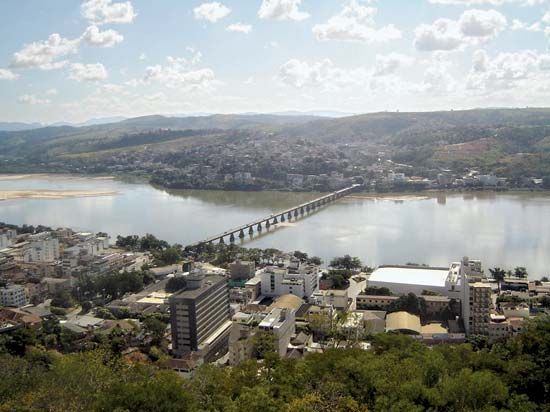
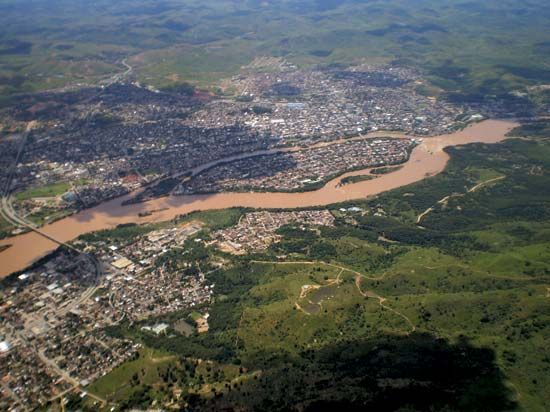
The Doce River is a significant river located in eastern Brazilscience/river) located in eastern Brazil. It is formed by the confluence of the Carmo and Piranga rivers in the state of Minas Gerais.1
Spanning approximately 360 miles (580 km), the river flows northeast toward Governador Valadares, turns southeast toward Colatina, and eventually travels eastward across the coastal plain of Espírito Santo before emptying into the Atlantic Ocean near Regência.1
The Doce River serves as the primary water-level route connecting Brazil’s eastern coast to its interior. Its upper course is vital for commerce, as a railroad paralleling the river facilitates the transport of mineral wealth from Minas Gerais. Additionally, the lower reaches of the river are characterized by swamps and lagoons that have necessitated extensive sanitation projects.1
What mineral resources are found in Minas Gerais?
Minas Gerais, whose name translates to “General Mines,” is widely considered the storehouse of Brazil’s mineral wealth. The state supplies more than half of the country’s total mineral production.2
The primary mineral resources found in Minas Gerais include:
- Metallic Ores: The state is home to vast deposits of high-grade iron ore and manganese, which are of significant modern importance. Other metallic minerals include bauxite, nickel, tungsten, titanium, molybdenum, chromium, and zirconium.23
- Precious and Semiprecious Stones: Minas Gerais is a major producer of gold and diamonds, including industrial-grade diamonds. It is also a world-renowned source for semiprecious gems such as topaz, aquamarine, amethyst, and tourmaline.23
- Industrial Minerals: The state produces significant quantities of graphite, mica, iron pyrite, rutile, and beryl, as well as large quartz crystals.23
How do rivers influence the development of railroads?
Rivers have played a foundational role in the development of railroads, both as a precursor to rail transport and as a primary target for expansion.
Historical Context and Precedence
Before the rise of railroads, inland water transport was the primary method for moving bulky goods. Early railroads often reinforced these existing patterns, serving areas where water transport was impractical, such as hilly terrain or drought-prone uplands where coal production occurred. In many cases, the Industrial Revolution necessitated canal networks to integrate natural streams, but as rail technology matured, it offered greater flexibility and speed, eventually allowing railways to dominate transport by outcompeting and absorbing canal companies.45
Expansion and Strategic Routing
As railroads expanded into the interior of continents, they were often directed toward major river systems, which served as hubs for commerce and population. In the United States, early rail lines pushed toward the Mississippi and Missouri rivers to connect productive agricultural and industrial regions to major mercantile centers. Furthermore, the physical infrastructure of early rail was sometimes directly linked to river-based projects; for instance, early steam-powered dredges used on rivers were sometimes moved to their destinations by rail.64
What are the main environmental challenges facing Brazilian rivers?
Brazilian rivers face significant environmental challenges driven by industrial, agricultural, and urban development. These pressures threaten water quality, biodiversity, and the safety of local populations.
Major Environmental Challenges
- Industrial Pollution and Mining Disasters: Industrial chemical wastes, including heavy metals, are frequently discharged into waterways, altering biological activity and increasing water acidity. Brazil has also experienced catastrophic industrial failures, such as the 2019 collapse of a mining dam near Brumadinho, which released toxic sludge that contaminated over 120 miles of the Paraopeba River and resulted in significant loss of life.8
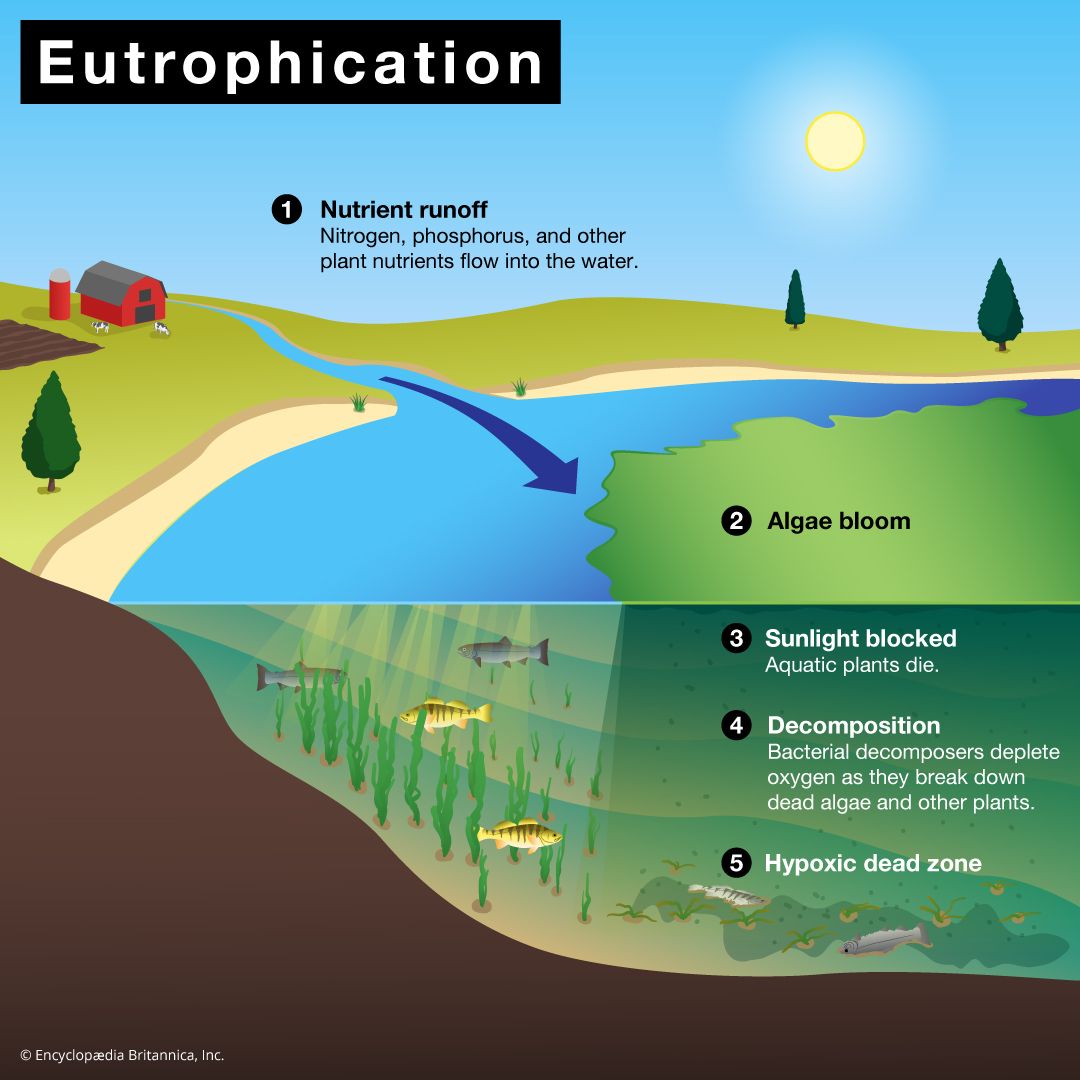
- Urban Sewage: Despite available purification technology, a large percentage of municipal sewage from cities is released into rivers untreated, effectively using them as open sewers. This leads to direct degradation of water quality and promotes eutrophication, a process where excess nutrients cause algal blooms that deplete oxygen and kill aquatic life.98
- Agricultural Runoff: The extensive use of fertilizers containing phosphates and nitrates, along with pesticides and herbicides, results in toxic chemical contamination and eutrophication. These pollutants enter rivers via rainwater runoff and groundwater seepage, particularly affecting slow-flowing systems.9
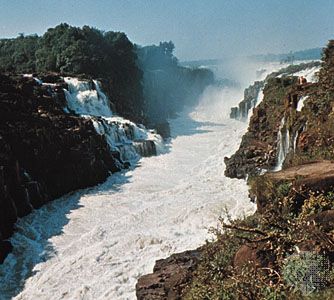
- Hydroelectric Development: While essential for energy, large-scale hydroelectric dams disrupt natural flooding cycles and submerge vast areas of land. Projects like the Itaipú Dam have permanently altered river ecosystems, such as the submersion of the formerly spectacular Guaíra Falls.102
- Thermal Pollution: Industrial facilities, including steel mills and power plants, often use river water for cooling and return it at elevated temperatures. This thermal pollution can kill desirable fish species and further disrupt existing ecology.9
Sources
- Doce River — Encyclopædia Britannica
- Minas Gerais — Encyclopædia Britannica
- Brazil - Mining and quarrying — Encyclopædia Britannica
- river - Significance in early human settlements — Encyclopædia Britannica
- railroad - Source in inland water transport — Encyclopædia Britannica
- canals and inland waterways - Impact of the railways — Encyclopædia Britannica
- railroad - Expansion into the interior — Encyclopædia Britannica
- river - Environmental problems attendant on river use — Encyclopædia Britannica
- Amazon basin — Encyclopædia Britannica
- Brazil - Conservation and ecology — Encyclopædia Britannica
- Itaipú Dam — Encyclopædia Britannica
- São Francisco River — Encyclopædia Britannica
- Brazil - Rivers of Brazil — Encyclopædia Britannica
Published on · 3 min read