Eastern Hercules Beetle
The eastern Hercules beetle (Dynastes tityus) is a large insect belonging to the rhinoceros beetle subfamily (Dynastinae) within the family Scarabaeidae. It…
What is eastern Hercules beetle?
The eastern Hercules beetle (Dynastes tityus) is a large insect belonging to the rhinoceros beetle subfamily (Dynastinae) within the family Scarabaeidae. It is distinct from the tropical Hercules beetle (Dynastes hercules), which is a separate, much larger species.123
Measuring approximately 62 mm (2.4 inches) in length, the eastern Hercules beetle is native to northern temperate regions. Males are easily identified by hornlike structures on their thorax and head, which are typically absent in females. While the specific evolutionary purpose of these horns remains unknown, they are used by males to fight rivals for access to females or feeding sites, often by forcing opponents away rather than causing injury.12
Despite their imposing appearance, these beetles are harmless and feed on plant material. Adults are commonly found living under rotting bark, while their larvae may cause damage to plant roots. Like other members of the order Coleoptera, they undergo complete metamorphosis.214
What is the difference between complete and incomplete metamorphosis in insects?
Insects are categorized by their developmental patterns, primarily distinguished by the presence or absence of a pupal stage and the degree of physical change between immature and adult forms.
Incomplete Metamorphosis (Hemimetabolous)
Incomplete metamorphosis involves three life stages: egg, nymph, and adult. Nymphs generally resemble smaller, wingless versions of the adult, sharing similar habitats and eating habits. Development is gradual, occurring through a series of molts until the insect reaches its final adult form, complete with fully developed wings and genitalia. This process is common in insects such as grasshoppers, termites, and true bugs.56
Complete Metamorphosis (Holometabolous)
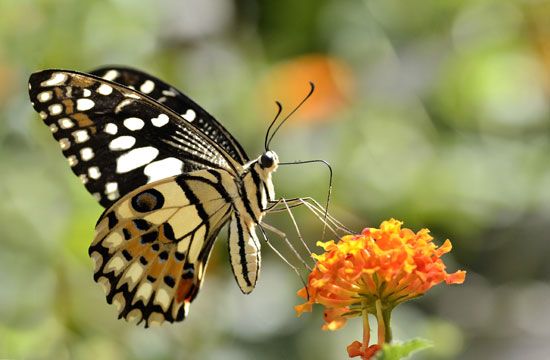
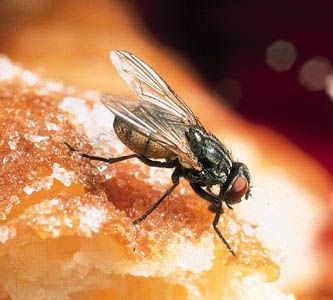
Complete metamorphosis consists of four distinct stages: egg, larva, pupa, and adult. Unlike nymphs, larvae look entirely different from adults and are specialized for growth rather than reproduction. The transformation into the adult occurs during the inactive, nonfeeding pupal stage, where larval tissues are broken down and adult structures, such as wings, are formed. This pattern is characteristic of beetles, butterflies, moths, flies, and wasps.56
How do the horns on male Hercules beetles help them in the wild?
In the wild, the horns of male rhinoceros beetles, including various species within the Dynastinae subfamily, serve as specialized tools for competition. These structures are primarily used in physical contests between males to secure access to essential resources, such as feeding sites on trees, logs, or crops, and to compete for mates.1
Rather than being used to inflict injury, the horns function as levers or pincers that allow males to force their rivals away from a disputed area. This behavior is a clear example of sexual selection, where traits that increase an individual’s prowess in competition with members of the same sex lead to greater reproductive success. While the specific evolutionary value of the horns in the eastern Hercules beetle is sometimes noted as requiring further study, the broader subfamily utilizes these impressive adornments to establish dominance and gain competitive advantages in their environment.147
What are some other types of beetles found in the Scarabaeidae family?
The family Scarabaeidae is an incredibly diverse group containing over 30,000 species. Beyond the well-known rhinoceros beetles, this family includes several other notable groups:
- Dung beetles (subfamily Scarabaeinae): These include the sacred scarab, which held significant cultural importance in ancient Egypt.
- Chafers (subfamily Melolonthinae): This group includes the cockchafer and various June bugs, which are often considered agricultural pests.
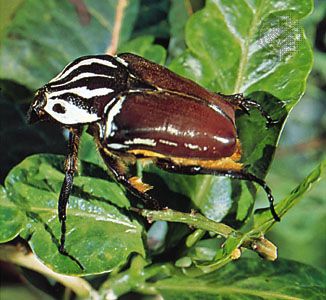
- Flower chafers (subfamily Cetoniinae): This subfamily features the impressive African goliath beetle, one of the largest and heaviest insects in the world.
- Shining leaf chafers (subfamily Rutelinae): This group includes the Japanese beetle, another species recognized for its impact on plants and crops.
These beetles are characterized by their compact, heavy-bodied forms and unique antennae that terminate in a three-plated club.
Sources
- eastern Hercules beetle — Encyclopædia Britannica
- Hercules beetle — Merriam-Webster
- Coleoptera - General features — Encyclopædia Britannica
- rhinoceros beetle — Encyclopædia Britannica
- Metamorphosis — Encyclopædia Britannica
- insect - Types of metamorphosis — Encyclopædia Britannica
- evolution - Sexual selection — Encyclopædia Britannica
- scarab beetle — Encyclopædia Britannica
Published on · 3 min read