Gnatcatcher
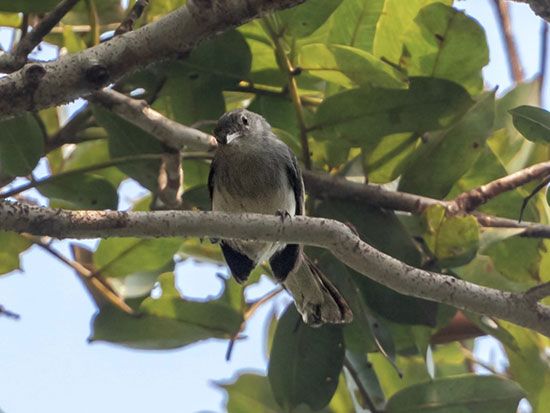
A gnatcatcher is any of approximately 15 species of small, insect-eating birds belonging to the genus Polioptila and the family Polioptilidae. These…
What is Gnatcatcher?
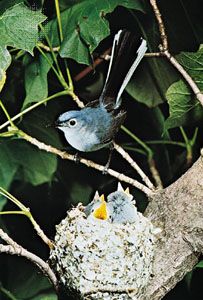
A gnatcatcher is any of approximately 15 species of small, insect-eating birds belonging to the genus Polioptila and the family Polioptilidae. These passerine birds are native to the New World, though some authorities classify them as a subfamily of the Old World warbler family, Sylviidae.12
Gnatcatchers are known for their active foraging behavior, often catching insects in midair or gleaning them from tree branches. Notable species include:1
- Blue-gray gnatcatcher: A small bird resembling a tiny mockingbird, found across parts of Canada, the United States, and Central America.13
- Black-tailed gnatcatcher: A resident of southwestern U.S. deserts that remains in pairs year-round and mimics the calls of other birds.1
- California gnatcatcher: A highly endangered species whose coastal scrub habitat is threatened by urban development.1
What are some other types of insectivorous birds?
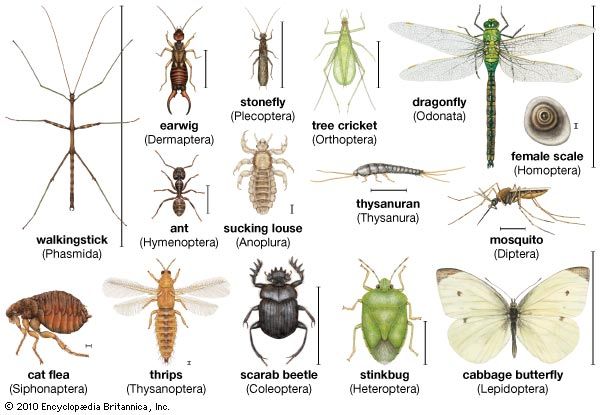
Many bird species have evolved specialized behaviors and physical traits to thrive on an insect-based diet. Beyond gnatcatchers, here are several other types of insectivorous birds:
- Aerial Insectivores: Birds such as swifts, swallows, nightjars, and woodswallows possess wide gapes, allowing them to catch insects while in flight.45
- Bark and Wood Foragers: Woodpeckers use long, sticky tongues to extract wood-boring grubs and ants from trees, while nuthatches and creepers forage along trunks and branches for insects hidden in bark crevices.45
- Gleaners: Many warblers are known for gleaning insects directly from vegetation. Similarly, monarch flycatchers may actively search for prey or act as sit-and-wait predators.45
- Ground and Aquatic Feeders: Thrashers dig for insects in the ground, while dippers are unique aquatic songbirds that glean insect larvae from the bottoms of swift-moving streams.45
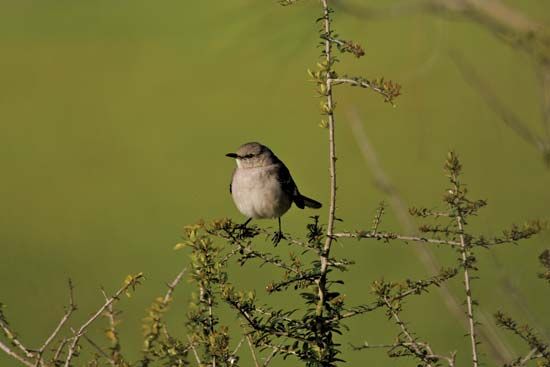
- Generalists: Many birds, such as thrushes, starlings, and mockingbirds, are omnivorous, incorporating a significant amount of insects into their diets alongside fruits and seeds.56
How do birds like the gnatcatcher adapt to different climates?
Birds like the gnatcatcher adapt to different climates through a combination of behavioral and physiological strategies. Many species, such as the blue-gray gnatcatcher, are migratory, responding to environmental cues like decreasing day length in autumn by accumulating body fat and flying to warmer regions as food sources dwindle.89
For non-migratory species, such as the black-tailed gnatcatcher, survival in harsh environments like southwestern deserts relies on year-round residency and specialized behaviors. More broadly, birds manage temperature variations through several mechanisms:9
- Thermoregulation: Most birds are homeothermic, maintaining stable body temperatures through metabolic means. Some small birds are heterothermic, allowing their body temperature to drop at night to conserve energy.10
- Insulation: Feathers are vital for maintaining body temperature; birds engage in “comfort movements” like preening and shaking to keep their plumage in optimal condition for insulation.11
- Physiological Adjustments: In cold conditions, birds may shiver to generate heat. Cold-tolerant species can adjust their basal metabolic rates to avoid hypothermia.10
- Thermoreceptors: Birds possess specialized sensors in their skin, beaks, and even internal structures like the spinal cord to monitor and respond to environmental temperatures.10
Why are some gnatcatcher species considered endangered?
The California gnatcatcher (Polioptila californica) is considered a highly endangered species primarily due to the rapid loss of its specialized habitat. This small bird relies on coastal scrubland, an ecosystem that is being extensively converted into housing developments along the Southern California coast.14
While the California gnatcatcher was once categorized as a local form of the black-tailed gnatcatcher, it was recognized as a distinct species in the late 1980s. Its status as a threatened or endangered species has since made it a focal point for significant habitat-conservation efforts in the region. The ongoing destruction of these scrubby environments highlights the broader, critical need for human intervention to protect vulnerable wildlife from extinction, a principle championed by conservationists like Sir David Attenborough.14115
Sources
- Gnatcatcher — Encyclopædia Britannica
- gnatcatcher — Merriam-Webster
- blue-gray gnatcatcher — Merriam-Webster
- Bird - Feeding habits — Encyclopædia Britannica
- Passeriform - Annotated classification — Encyclopædia Britannica
- Piciform - Importance to humans — Encyclopædia Britannica
- omnivore — Encyclopædia Britannica
- How do birds know when to fly south? — Encyclopædia Britannica
- Dormancy - Temperature variations — Encyclopædia Britannica
- Thermoreception - Birds — Encyclopædia Britannica
- Bird: Top Questions — Encyclopædia Britannica
- Bird - Behaviour — Encyclopædia Britannica
- Tundra - Birds — Encyclopædia Britannica
- California gnatcatcher — Merriam-Webster
- 10 Organisms Named for David Attenborough - Inambari gnatcatcher — Encyclopædia Britannica
Published on · 3 min read