Gongola River
The Gongola River is the principal tributary of the Benue River in northeastern Nigeria/Benue-River) in northeastern Nigeria.
What is the geographical location and course of the Gongola River in Nigeria?
The Gongola River is the principal tributary of the Benue River in northeastern Nigeria/Benue-River) in northeastern Nigeria.1
Course and Geography
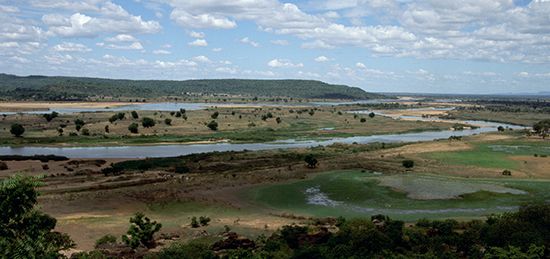
The river originates from several branches, such as the Lere and Maijuju rivers, on the eastern slopes of the Jos Plateau1. After cascading onto the plains of the Gongola Basin, it follows a northeasterly path past Nafada. At this point, the river makes an abrupt turn to the south. Its lower course veers southeast, eventually receiving its chief tributary, the Hawal, which rises on the Biu Plateau. The river continues southward for a total journey of 330 miles (531 km) before joining the Benue opposite the town of Numan.1
The basin is characterized by a dry savanna climate, and the river’s flow is seasonal; during the dry season, the upper reaches and many tributaries often disappear. The region is notable for its fertile black alluvial soil, which supports the cultivation of various crops and serves as grazing land for livestock.1
How does the Gongola River contribute to the broader water system in Nigeria?
The Gongola River serves as a vital component of Nigeria’s hydrological network, primarily acting as the principal tributary to the Benue River. By feeding into the Benue, which in turn doubles the annual discharge of the Niger River at their confluence in Lokoja, the Gongola plays an indirect but significant role in the broader drainage system that eventually reaches the Gulf of Guinea.12
Beyond its role in water volume, the river has historically reshaped the regional landscape. Through the process of stream capture, the Gongola has diverted several rivers that previously flowed toward Lake Chad, effectively integrating their basins into the Niger-Benue system.1
Economically, the river supports the nation through:
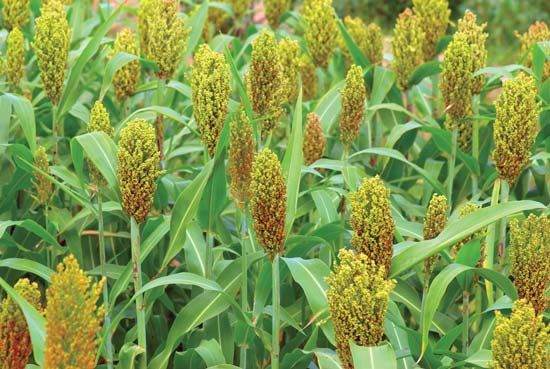
- Agriculture: Its floodplains provide fertile black alluvial soil for cultivating crops such as cotton, peanuts, sorghum, and rice.1
- Infrastructure: The Kiri Dam was constructed to provide essential irrigation for large-scale sugar plantations.1
- Livestock: The basin serves as a critical grazing ground for cattle and other livestock, supporting regional food security.1
What is the length of the Gongola River and how does it compare to other major rivers in Nigeria?
The Gongola River has a total length of 330 miles (531 km).1
When compared to other major rivers in Nigeria, the Gongola is significantly shorter and serves as a secondary tributary within the broader Niger-Benue basin:
- Niger River: As the principal river of western Africa, it spans approximately 2,600 miles (4,200 km). It is the third-longest river on the continent.2
- Benue River: The longest tributary of the Niger, the Benue measures about 673 miles (1,083 km) in length. The Gongola acts as the Benue’s own principal tributary, joining it near the town of Numan.31
While the Niger and Benue rivers are major arteries for transportation and power generation across the country, the Gongola is characterized by its seasonal flow, often becoming unnavigable during the dry season. Its primary regional importance lies in its role in the drainage system and its fertile floodplains, which support significant agricultural activity.14
Which major towns or cities are located along the Gongola River?
Several towns and locations are situated along or near the Gongola River as it traverses northeastern Nigeria:
- Nafada: The river flows past this town before making an abrupt southward turn.1
- Numan: Located at the confluence where the Gongola joins the Benue River, Numan serves as a significant port and trade center.16
- Kiri: The Kiri Dam is located on the river near Numan, supporting a large-scale sugar plantation.1
While the river basin is vital for agriculture and grazing, the settlements along its course are often linked to the broader regional trade networks of Adamawa state and beyond.16
Sources
- Gongola River — Encyclopædia Britannica
- Niger River - Physiography — Encyclopædia Britannica
- Benue River — Encyclopædia Britannica
- Niger River — Encyclopædia Britannica
- Nigeria - Drainage — Encyclopædia Britannica
- Numan — Encyclopædia Britannica
Published on · 3 min read