Adélie Coast
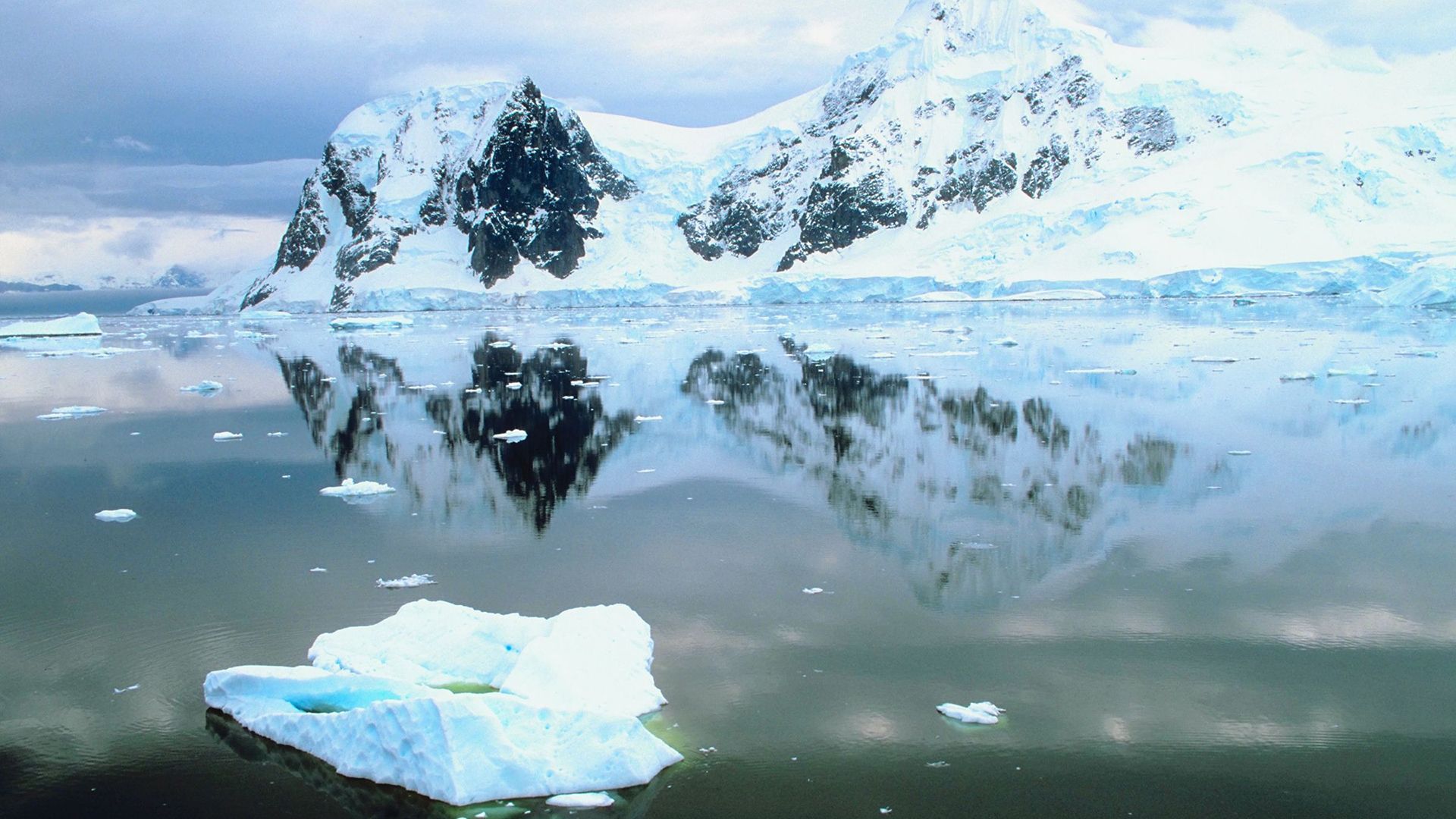
The Adélie Coast is home to the Dumont d’Urville base, a French meteorological station located at the Géologie Archipelago. Established in 1952, this…
Are there any research stations or human settlements on the Adélie Coast, and what kind of scientific studies are conducted there?
The Adélie Coast is home to the Dumont d’Urville base, a French meteorological station located at the Géologie Archipelago. Established in 1952, this facility replaced the earlier Port-Martin station, which was destroyed by fire in 1950.1
While the provided information specifically identifies the site as a meteorological station, research stations in Antarctica generally conduct a wide range of scientific studies, including atmospheric monitoring, glaciology, and biological research on local wildlife such as the Adélie penguin. The region itself is characterized by an ice-covered plateau and experiences intense katabatic winds that significantly influence the local environment and sea ice distribution.1
What role did the Adélie Coast play in early Antarctic exploration?
The Adélie Coast played a significant role in early Antarctic exploration primarily through the 1837–1840 French expedition led by the navigator Jules-Sébastien-César Dumont d’Urville.13
During this voyage, d’Urville sought to explore the unknown sector between 120° and 160° E, driven by the scientific objective of locating the magnetic pole. In January 1840, his expedition sighted the coast, which he named Adélie Land after his wife. This discovery was a landmark event in the mid-19th-century era of exploration, which was characterized by a push to chart the continent’s cartographic and magnetic contours, often fueled by nationalistic competition.143
The discovery of the Adélie Coast established the foundation for France’s territorial claim on the continent, a claim that persists today as part of the French Southern and Antarctic Territories. This period of discovery was part of a broader international effort that included concurrent expeditions by other nations, such as the U.S. naval expedition led by Charles Wilkes, which explored other sections of the East Antarctic coast.43
What types of wildlife, particularly penguin species, can be found in the Adélie Coast area?
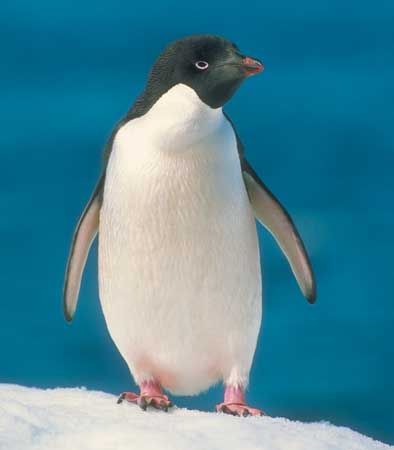
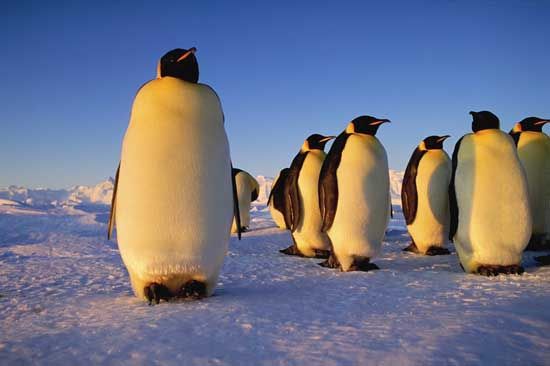
The Adélie Coast is a significant habitat for wildlife adapted to the harsh Antarctic environment. Regarding penguin species, only two—the Adélie penguin and the emperor penguin—live and breed along the Antarctic coastline, including the Adélie Coast area.2
- Adélie Penguins: These birds are iconic to the region and are known for breeding in large colonies on rocky, ice-free coasts during the warmer months. They are highly dependent on the sea for food, primarily consuming krill, blennies, and cephalopods2.5
- Emperor Penguins: Unlike many other species that migrate away for the winter, emperor penguins remain on the continent throughout the long, dark winter, acting as solitary guardians of the region.2
Beyond penguins, the Antarctic coast serves as a haven for various other seabirds due to the absence of land-based mammalian predators and the rich offshore food supply. Other birds found in the broader Antarctic region include skuas, petrels, cormorants, gulls, and sheathbills.2
How does the Adélie Coast contribute to our understanding of Antarctica’s geological history?
The Adélie Coast contributes to our understanding of Antarctica’s geological history primarily by serving as a focal point for modern scientific research within the broader context of the East Antarctic shield. While much of the continent’s geological record remains hidden beneath thick ice, the Adélie Coast provides a gateway for studying the crystalline-rock complexes that characterize the ancient, stable Precambrian crust of East Antarctica.71
The region’s geological significance is tied to the following factors:
- Structural Framework: As part of the East Antarctic province, the Adélie Coast is associated with the Gondwana structural province, which shares geological affinities with peninsular India. Research in this area helps geologists refine models of how these landmasses were once connected and subsequently drifted apart.7
- Scientific Infrastructure: The establishment of the Dumont d’Urville base in 1952 provided a permanent platform for long-term geological and meteorological monitoring. This base facilitates the study of the region’s complex ice-covered plateau and the surrounding Southern Ocean, which are critical for understanding global climate patterns and the history of Antarctic glaciation.14
- Reconnaissance Mapping: Through international cooperation under the Antarctic Treaty, the Adélie Coast has been subject to reconnaissance-scale mapping, helping to fill gaps in our knowledge of the continent’s surface terrain and its evolution over hundreds of millions of years.7
Sources
- Adélie Coast — Encyclopædia Britannica
- Adélie penguin — Encyclopædia Britannica
- Jules-Sébastien-César Dumont d’Urville — Encyclopædia Britannica
- Antarctica - Early geographic discoveries — Encyclopædia Britannica
- Antarctica - Birds — Encyclopædia Britannica
- penguin — Encyclopædia Britannica
- Antarctica - Structural framework — Encyclopædia Britannica
- Pleistocene Epoch - Ice-core records — Encyclopædia Britannica
- Antarctica - The surrounding seas — Encyclopædia Britannica
- North America - 250 to 120 million years ago — Encyclopædia Britannica
Published on · 3 min read