Chott Melrhir
Chott Melrhir is the largest lake in Algeria. Located in the northeastern part of the country, it is a marshy, saline body of water that fluctuates in size…
What is Chott Melrhir?
Chott Melrhir is the largest lake in Algeria. Located in the northeastern part of the country, it is a marshy, saline body of water that fluctuates in size depending on the season, typically stretching over 80 miles (130 km) from east to west.
The lake occupies the westernmost portion of a series of depressions that extend into the Sahara from the Gulf of Gabès in Tunisia. It is notable for lying almost entirely below sea level; in fact, the lowest point in Algeria—131 feet (40 m) below sea level—is found near the center of the lake.
What is the Sahara Desert’s climate like?
The Sahara is defined by two primary climatic regimes: a dry subtropical climate in the north and a dry tropical climate in the south.2
Northern Subtropical Climate
Dominated by high-pressure cells near the Tropic of Cancer, this region experiences extreme temperature fluctuations. Daily swings can range from 104 °F (40 °C) during the day to 77 °F (25 °C) at night in summer, and from 68 °F (20 °C) to 41 °F (5 °C) in winter. Precipitation is scarce, averaging about 3 inches annually, often arriving as thunderstorms that can trigger flash floods arriving as thunderstorms that can trigger flash floods.2
Southern Tropical Climate
This zone features a more moderate diurnal temperature range but remains intensely hot, with temperatures occasionally reaching 122 °F (50 °C) in late spring. Rainfall is slightly higher, averaging 5 inches per year, typically occurring as a single summer maximum.2
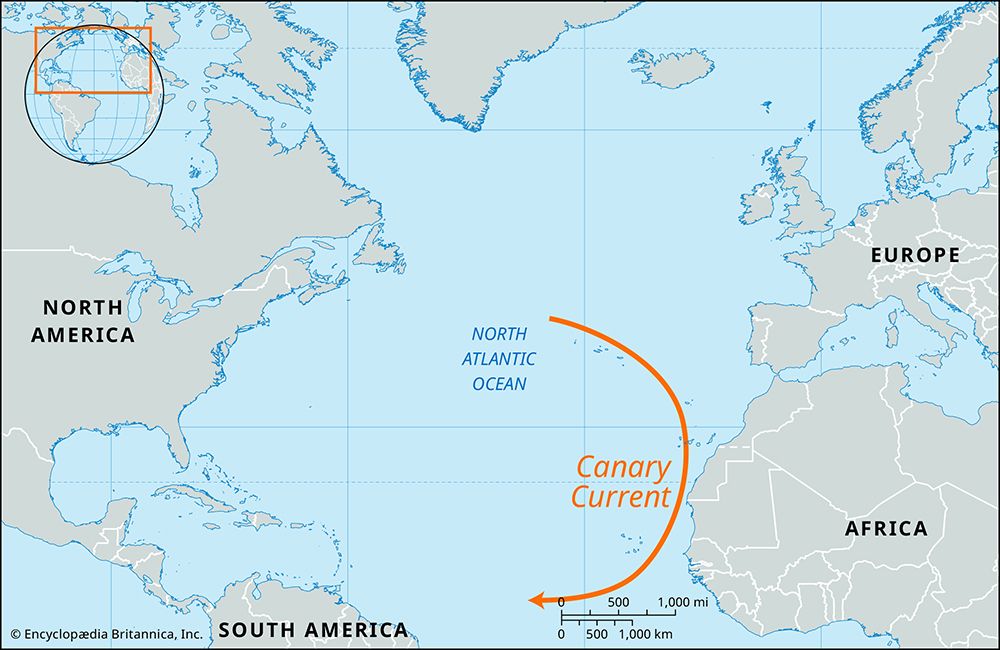
Across the desert, hot, dust-laden winds—such as the ghibli or the harmattan—are common, while the western coast remains cooler due to the Canary Current.2
How do salt lakes form in desert environments?
Salt lakes in desert environments form primarily within endorheic drainage basins—depressions where water flows inward but has no outlet to the sea. These landforms, often referred to as playas, salt flats, or salt pans, develop through a specific climatic and geological balance.3
The Formation Process
- Internal Drainage: Water from precipitation, surface runoff, or groundwater collects in low-lying basins. Because there is no outlet, the water remains trapped.34
- Evaporative Concentration: In arid and semiarid regions, evaporation rates consistently exceed the rate of water inflow. As water evaporates, it leaves behind dissolved minerals and salts.3456
- Cyclical Flooding: These basins are often ephemeral. During storms, they may flood, dissolving existing salt crusts and redistributing sediments. As the water subsequently evaporates, it leaves behind concentrated layers of evaporites, such as sodium chloride, creating the characteristic saline crusts.547
The physical structure of these basins can be influenced by tectonic activity, such as faulting or warping, as well as wind deflation, which carves out shallow depressions in the desert floor.8
What kind of wildlife lives in Algerian wetlands?
Algerian wetlands, which include coastal zones, interior waterways, and Saharan oases, support a diverse array of wildlife.
Aquatic and Semi-Aquatic Life
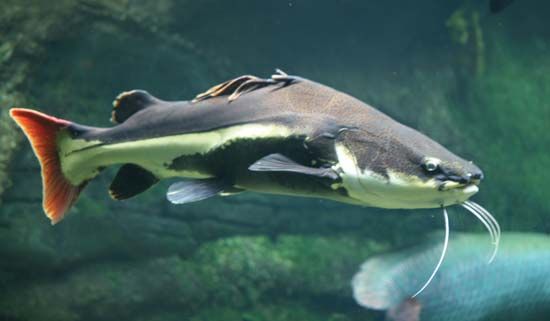
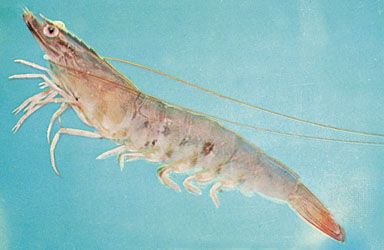
The lakes and pools found in the Saharan regions of Algeria host unique relict tropical fauna, including catfish and chromides. These water bodies also contain algae, brine shrimp, and various crustaceans. Additionally, frogs, toads, and crocodiles are known to inhabit these desert water sources.10
Birdlife
Algeria’s wetlands are critical habitats for both resident and migratory birds. A multitude of migratory species pass through the country, with storks and flamingos being notable examples. The interior waterways and coastal areas attract more than 300 species of birds, including various raptors, guinea fowl, bustards, and owls.1110
Invertebrates and Other Species
Snails are common in these environments and serve as an essential food source for birds and other animals. In the arid and semiarid regions surrounding these water sources, scorpions are also frequently encountered.1011
Sources
- Chott Melrhir — Encyclopædia Britannica
- Sahara - Climate of the Sahara — Encyclopædia Britannica
- playa — Encyclopædia Britannica
- Inland water ecosystem - Saline lakes — Encyclopædia Britannica
- playa - Physical characteristics — Encyclopædia Britannica
- salinity — Encyclopædia Britannica
- sedimentary rock - Nonmarine environment — Encyclopædia Britannica
- playa - Surface relief and structures — Encyclopædia Britannica
- Sahara - Soils — Encyclopædia Britannica
- Algeria - Plant and animal life — Encyclopædia Britannica
- Sahara - Animal life — Encyclopædia Britannica
- Algeria - Agriculture, forestry, and fishing — Encyclopædia Britannica
- Algeria - Drainage of Algeria — Encyclopædia Britannica
Published on · 3 min read