Honey Bell
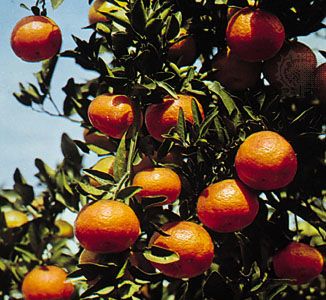
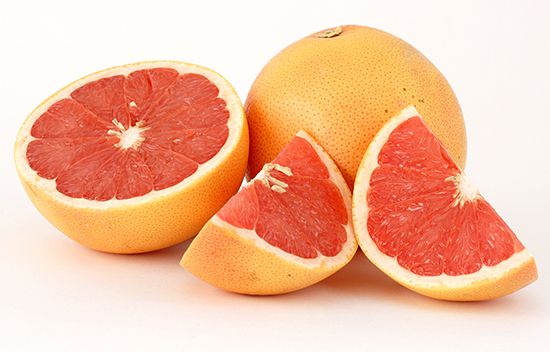
A honeybell is a Minneola tangelo, which is a hybrid citrus fruit created by crossing a tangerine and a pomelo or grapefruit.

What is honey bell?
A honeybell is a Minneola tangelo, which is a hybrid citrus fruit created by crossing a tangerine and a pomelo or grapefruit.1
While they share a general appearance with oranges, honeybells are recognized for their distinct flavor profile, which is typically described as milder and less sweet than other common citrus varieties.1
What is the difference between a tangelo and a regular orange?
A tangelo and a regular orange differ primarily in their botanical origins and genetic makeup. While a regular orange is a distinct citrus fruit, a tangelo is a hybrid created by crossing a tangerine (a variety of mandarin orange) with a grapefruit or pomelo.23
The key differences include:
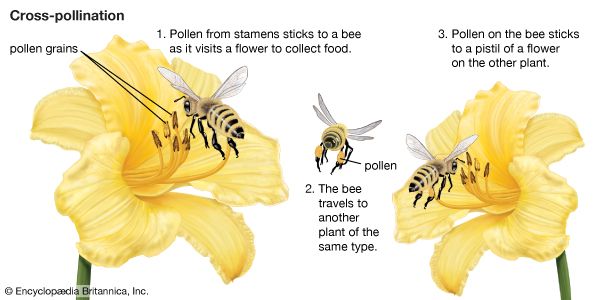
- Genetic Origin: Tangelos are specifically bred from the cross-pollination of tangerines and grapefruits, whereas oranges are a separate category of citrus.23
- Classification: The name “tangelo” is a portmanteau derived from “tangerine” and “pomelo,” reflecting its hybrid nature.3
- Physical Characteristics: Tangerines—and by extension, their hybrid offspring like the tangelo—often feature looser, more easily separated peels and segments compared to many standard orange varieties.2
How are fruit hybrids created?
Fruit hybrids are created through hybridization, a process where breeders cross-pollinate carefully selected parent plants to combine desirable traits and produce superior progeny. This practice is distinct from genetic modification, which involves artificial DNA alteration.45
The creation of hybrids typically involves these methods:
- Planned Hybridization: Breeders cross two genotypes, each possessing specific desirable characteristics, to create a new generation. They then use techniques like the pedigree procedure or bulk-population methods to select and stabilize the best offspring over successive generations.4
- Exploiting Hybrid Vigor: Breeders often aim for heterosis, or hybrid vigor, where the F1 generation exhibits increased growth, yield, or uniformity compared to its parents. This is common in crops like corn, where inbred lines are crossed to produce highly productive, uniform seeds.67
- Pollination Control: To ensure specific crosses, breeders may use manual techniques or biological systems like cytoplasmic male sterility, which prevents a plant from producing viable pollen, forcing it to be pollinated by a chosen partner.67
What are the parent fruits of a Minneola tangelo?
The Minneola tangelo is a hybrid citrus fruit resulting from a cross between a tangerine and a grapefruit.142
Often referred to as a “honeybell” due to its distinctive bell-shaped appearance and prominent neck, the Minneola is recognized for its reddish-orange rind and ease of peeling. It is one of several commercial varieties of tangelos, which are defined by their genetic lineage as a cross between Citrus reticulata (tangerine) and Citrus ×paradisi (grapefruit).142
Sources
- honeybell — Merriam-Webster
- Tangerine — Encyclopædia Britannica
- tangelo — Merriam-Webster
- Plant breeding - Hybrid varieties — Encyclopædia Britannica
- selective breeding — Encyclopædia Britannica
- Plant breeding - Hybridization — Encyclopædia Britannica
- Fruit farming - Pollination — Encyclopædia Britannica
- Citrange — Encyclopædia Britannica
- Plant breeding - Hybrid varieties — Encyclopædia Britannica
- Pollination - Types: self-pollination and cross-pollination — Encyclopædia Britannica
- hybrid — Encyclopædia Britannica
- genetically modified organism — Merriam-Webster
- Fruit farming - The variety: its propagation and improvement — Encyclopædia Britannica
- Minneola tangelo — Merriam-Webster
Published on · 2 min read