Pollination
Pollination is the biological process by which pollen grains are transferred from the stamen of a plant to the ovule-bearing organs. In flowering plants…
What is pollination and why is it important in ecology?
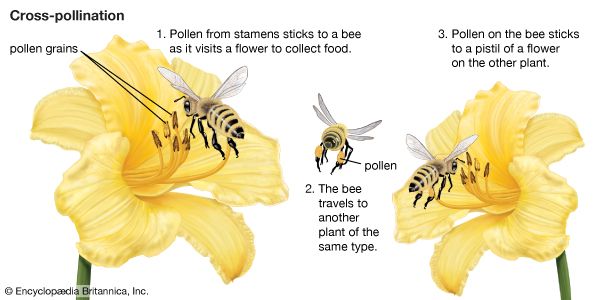
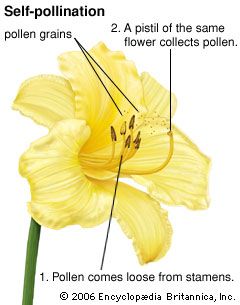
Pollination is the biological process by which pollen grains are transferred from the stamen of a plant to the ovule-bearing organs. In flowering plants, this involves depositing pollen on the stigma, where it germinates to facilitate fertilization and the subsequent development of seeds and fruit.1
This process is vital to ecology for several reasons:
- Biodiversity: Pollination is essential for the reproduction of most wild plants. By enabling plant propagation, it sustains the biodiversity that forms the foundation of healthy ecosystems.12
- Food Webs: Plants perpetuated by pollinators provide critical food and shelter for diverse wildlife. Furthermore, many pollinators themselves serve as a food source for other organisms, linking various levels of the food web.23
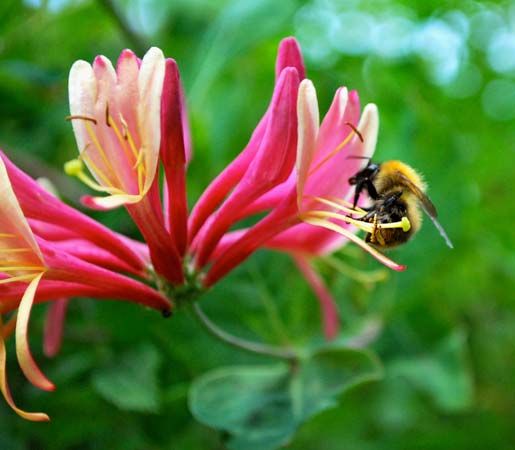
- Agricultural Stability: Pollinators, particularly bees, are crucial for the production of numerous fruits and vegetables. Their activity increases crop yields and ensures the availability of diverse, nutrient-rich foods.23
How do nocturnal pollinators differ from diurnal ones in their ecological roles?
Nocturnal and diurnal pollinators differ significantly in their sensory adaptations, the floral traits they target, and their specific ecological relationships with plants.
Sensory and Behavioral Adaptations
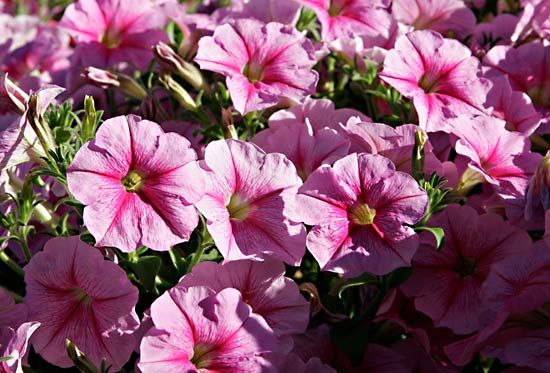
- Diurnal Pollinators: Species active during the day, such as butterflies, rely heavily on both sight and scent to locate food. They are often guided by conspicuous colors, such as red, pink, or purple, and typically require a landing platform on the flower to feed.45
- Nocturnal Pollinators: Moths and bats, which are active at night, rely more heavily on scent. To attract these visitors, night-blooming plants produce highly fragrant, white or light-colored flowers that are easily visible in low-light conditions. Unlike butterfly-pollinated flowers, these blooms often lack landing platforms and may be shaped like long, narrow tubes or vases to accommodate the specific mouthparts of their pollinators.456
Ecological Roles and Relationships
- Specialization: Nocturnal pollination often involves highly specialized, coevolved relationships. For example, some orchids have evolved deep nectar receptacles that can only be accessed by hawk moths with correspondingly long proboscises. Similarly, the relationship between yucca moths and yucca plants is an obligate mutualism where both species depend entirely on one another for survival.745
- Nutritional Exchange: Bat-pollinated plants often provide specialized rewards, such as pollen rich in amino acids like proline and tyrosine, which support the health and reproductive needs of the bats. Furthermore, migratory bats contribute to ecological connectivity by pollinating plants along specific “nectar corridors” as they travel.6
How do plants attract pollinators?
Plants have evolved a diverse array of strategies to attract pollinators, relying on sensory signals and rewards to ensure the transfer of pollen. These adaptations are often the result of coevolution between plants and their specific animal visitors.89
Sensory Signals
- Visual Advertisements: Flowers use color and shape to signal their presence. Many insect-pollinated flowers feature patterns in yellow, blue, and ultraviolet light that are highly visible to pollinators. Darkly colored nectar guides often point the way to the flower’s center. Some plants, like certain orchids, use mimicry to resemble female insects, luring males through sexual deception.10911
- Olfactory Cues: Plants release complex blends of volatile compounds to attract pollinators from a distance. While some flowers emit pleasant fragrances, others, such as carrion flowers, produce foul odors to attract flies and beetles that typically seek decaying matter.611
Rewards and Mechanisms
- Nectar: This sugar-rich secretion is a primary reward for many pollinators, including bats, hummingbirds, and insects. Plants often position nectaries to ensure that visitors come into contact with pollen while feeding.89
- Specialized Adaptations: Some plants employ unique mechanical strategies, such as buzz pollination (sonication), where pollen is released only when a bee vibrates the flower at a specific frequency. Others, like the cuckoopint, use temporary traps to ensure insects are thoroughly dusted with pollen before they are released.11
What are some unique adaptations that plants have developed to ensure successful pollination?
Plants have evolved a remarkable variety of adaptations to ensure successful pollination, ranging from deceptive lures to mechanical triggers. These strategies often reflect a high degree of coevolution between plants and their specific pollinators.1112
Deception and Entrapment
- Sexual Deception: Some orchids, such as those in the genus Ophrys, mimic the appearance, scent, and texture of female bees. Male bees are lured into “pseudocopulation,” during which they inadvertently pick up or deposit pollinia (sticky pollen packets).1113
- Catch and Release: The cuckoopint uses a foul odor and heat to attract insects, which then slide into a trap. The insects are held captive by hairs until the plant releases them, covered in pollen, to visit another flower.11
- Carrion Mimicry: Plants like the titan arum produce the scent and appearance of rotting flesh to attract flies and beetles that typically scavenge for decaying matter.1113
Mechanical and Physical Strategies
- Buzz Pollination (Sonication): Certain plants, such as tomatoes, require specific vibration frequencies from bees to release their pollen.1114
- Puff Pollination: Some tropical plants use “food bodies” that, when grasped by a bird, trigger a mechanism that blasts pollen onto the visitor’s face.11
- Wind Pollination: Many grasses and trees bypass animal pollinators entirely, producing vast quantities of lightweight pollen to be carried by the wind.1113
Sources
- Pollination — Encyclopædia Britannica
- Why are bees important? — Encyclopædia Britannica
- What Would Happen If All the Bees Died? — Encyclopædia Britannica
- Major types of pollinators - Butterflies and moths — Encyclopædia Britannica
- Bat-loving flowers — Encyclopædia Britannica
- Pollination - Evolution of insect pollination — Encyclopædia Britannica
- Lepidoptera - Food selection by the adult — Encyclopædia Britannica
- Chemoreception - Attraction — Encyclopædia Britannica
- coloration - Interspecific signals — Encyclopædia Britannica
- Nectar — Encyclopædia Britannica
- Botanical Sex: 9 Alluring Adaptations — Encyclopædia Britannica
- mimicry - Mimicry to effect pollination and dispersal — Encyclopædia Britannica
- Why Do Bees Buzz? — Encyclopædia Britannica
- Angiosperm - Pollination — Encyclopædia Britannica
Published on · 4 min read