Cross-pollination
Cross-pollination is a form of pollination in which pollen is transferred from the flowers or cones of one plant to the egg-bearing structures of another…
What is cross-pollination in botany?
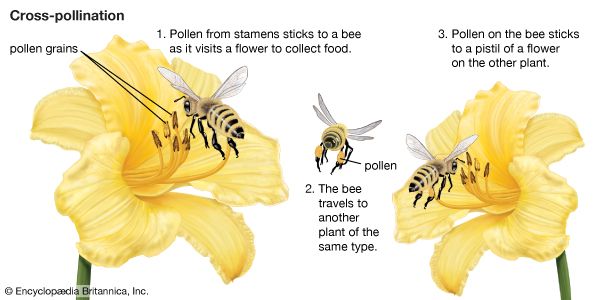
Cross-pollination is a form of pollination in which pollen is transferred from the flowers or cones of one plant to the egg-bearing structures of another individual. This process facilitates cross-fertilization and is common in both angiosperms and gymnosperms.
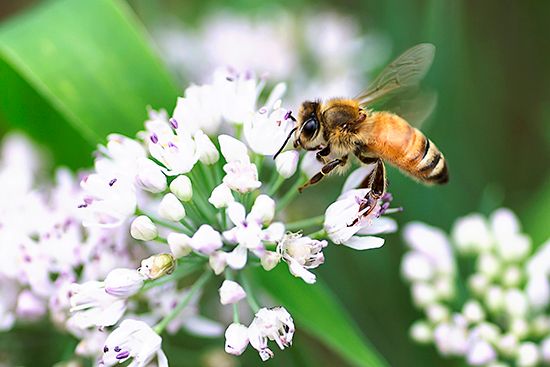
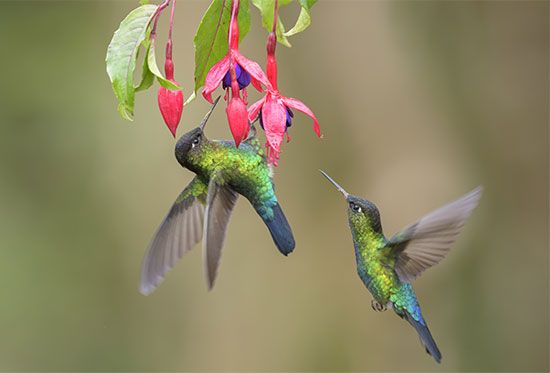
Pollen movement typically occurs via wind or through symbiotic relationships with animals, such as bees, birds, and bats, which transport pollen while feeding on nectar.
Evolutionarily, cross-pollination is advantageous because it combines the hereditary traits of two parents, resulting in more varied offspring. This genetic diversity helps a species adapt to changing environments, whereas self-pollination can lead to an evolutionary dead end. Additionally, cross-pollinated plants often produce a greater quantity and higher quality of seeds. Many plants have evolved structural or chemical mechanisms, such as dichogamy or heterostyly, to discourage self-fertilization and promote this outbreeding.
How does cross-pollination differ from self-pollination?
The primary difference between cross-pollination and self-pollination lies in the source of the pollen used to fertilize an egg cell.
- Self-pollination (autogamy): Occurs when an egg is fertilized by pollen from the same flower or another flower on the same individual plant. While this is a “foolproof” reproductive strategy in stable environments or when pollinators are scarce, it results in offspring with low genetic variability.142
- Cross-pollination (heterogamy): Occurs when pollen is transferred from one plant to the egg-bearing structures of a different individual. This process facilitates outbreeding, combining hereditary traits from two parents to produce more varied offspring.14
The evolutionary advantage of cross-pollination is significant: the resulting genetic diversity allows populations to better adapt to changing environments, ensuring species survival. Furthermore, in species capable of both methods, cross-pollination typically yields a greater quantity and higher quality of seeds. To promote this, many plants have evolved structural mechanisms—such as dichogamy or heterostyly—or chemical barriers like self-incompatibility to prevent self-fertilization.14
What are the main agents that help plants with cross-pollination?
Plants, being sedentary organisms, rely on external agents to transport pollen for cross-pollination. These agents can be categorized into abiotic factors and biotic pollinators.5
Abiotic Agents
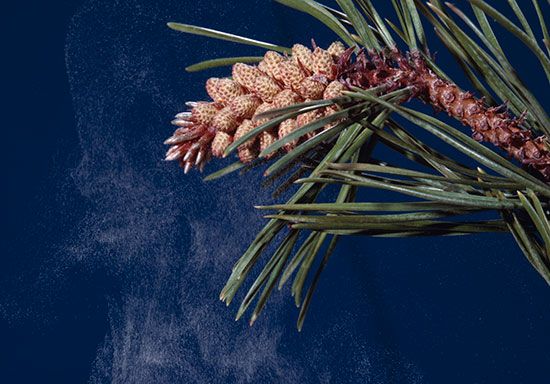
- Wind: Many plants, including most conifers and various grasses, use wind to disperse pollen. Because wind is unpredictable, these plants typically produce vast quantities of pollen to ensure successful fertilization.67
- Water: While rare, water pollination occurs in a limited number of aquatic plants.2
Biotic Pollinators
Evolution has favored the use of animal pollinators, which are often more efficient than wind.5
- Insects: Bees are the most significant animal pollinators, often coevolving with specific plants. Other important insect pollinators include beetles, flies, butterflies, moths, and mosquitoes.829
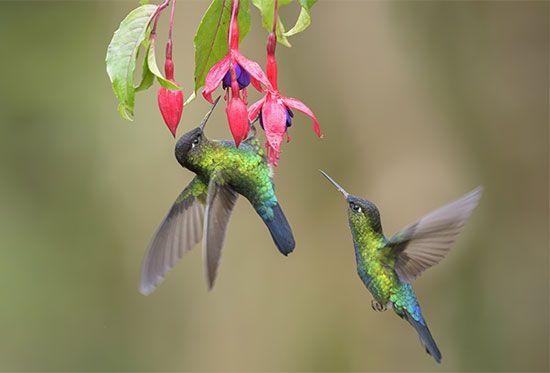
- Vertebrates: Birds—particularly hummingbirds—bats, and even small marsupials and rodents serve as pollinators for various plant species.52
Plants have developed diverse “pollinator syndromes”—suites of traits like color, scent, and nectar production—to attract these specific agents.56
Why is cross-pollination important for plants?
Cross-pollination is vital for plants primarily because it facilitates outbreeding, which offers significant evolutionary advantages over self-pollination. By combining the hereditary traits of two different parent plants, cross-pollination produces offspring with greater genetic variability. This diversity is crucial for the survival of a species, as it ensures that some individuals may possess the traits necessary to adapt to changing environmental conditions, whereas populations relying solely on self-pollination may lack the flexibility to adjust.
Beyond long-term evolutionary resilience, cross-pollination often provides immediate benefits, such as the production of a higher quantity and better quality of seeds. A prominent example of this is the development of hybrid corn, where cross-breeding specific lines results in superior, high-yielding varieties that have become essential to global food supplies. While self-pollination can be a reliable strategy in stable environments, it is often considered an evolutionary “cul-de-sac” due to the resulting lack of genetic variation.110
Sources
- Pollination - Types: self-pollination and cross-pollination — Encyclopædia Britannica
- Cross-pollination — Encyclopædia Britannica
- Pollination - Structural — Encyclopædia Britannica
- Pollination - Mechanisms that permit self-pollination — Encyclopædia Britannica
- Major types of pollinators — Encyclopædia Britannica
- Major types of pollinators - Bees — Encyclopædia Britannica
- Pollination - Beetles and flies — Encyclopædia Britannica
- Botanical Sex: 9 Alluring Adaptations — Encyclopædia Britannica
- Angiosperm - Pollination — Encyclopædia Britannica
- Plant breeding - Hybrid varieties — Encyclopædia Britannica
Published on · 3 min read