How Do Spiders Make Circular Webs?
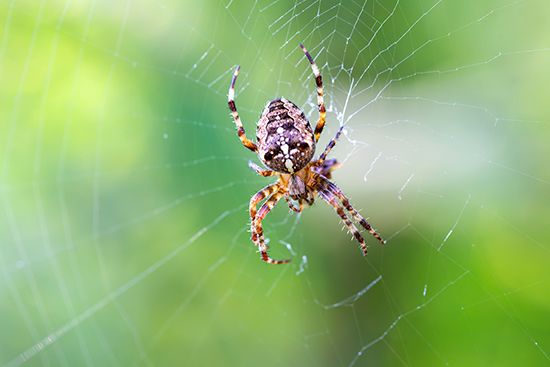
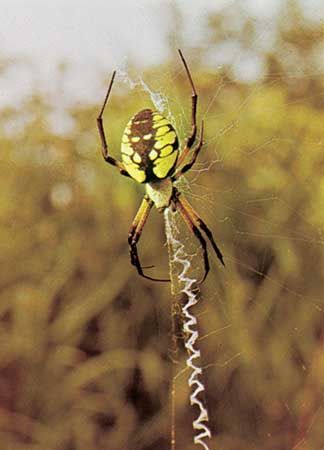
Circular webs, known as orb webs, are constructed by orb weavers through a precise, multi-step process.

How do spiders make circular webs?
Circular webs, known as orb webs, are constructed by orb weavers through a precise, multi-step process.12
The Construction Process
- Bridge and Spokes: The spider releases a silk thread to be carried by the wind. Once it attaches to a surface, the spider reinforces this bridge and descends to create a central point, or hub. It then constructs radial lines, or spokes, extending from the hub to the outer edges to provide structural integrity.12
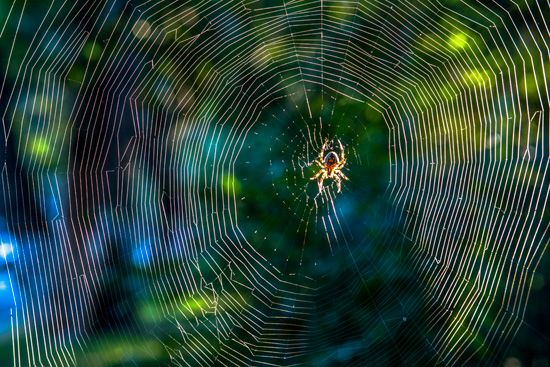
- Temporary Spirals: Working from the hub outward, the spider creates temporary spirals of dry silk to maintain the web’s shape while it works.12
- Ensnaring Spiral: The spider then reverses direction, moving from the outside inward to replace the temporary spirals with sticky, glue-coated silk designed to trap prey. This final spiral is carefully spaced to maximize capture area.12
Most orb webs are rebuilt regularly, as the sticky silk can dry out or become damaged. Some spiders also add a signal thread from the hub to a retreat, allowing them to detect vibrations when an insect is caught.12
How do spiders avoid getting stuck in their own webs?
While it is a common observation that spiders navigate their own webs without becoming ensnared, the precise mechanisms they use to avoid getting stuck are not completely understood by scientists.1
However, researchers have identified several factors that likely contribute to this ability:
- Strategic Movement: Spiders are highly attuned to their own web architecture. They often move along the non-sticky radial lines (spokes) of the web rather than the sticky spiral threads designed to trap prey.21
- Leg Anatomy: The legs of web-building spiders are equipped with specialized structures, including an additional third claw, which may assist in navigating the silk threads without becoming entangled.3
- Behavioral Adaptations: Spiders are careful to avoid contact with the glue-coated sections of their webs. When they do need to traverse sticky areas, they may use specific movements or grooming behaviors to minimize contact with the adhesive substance.21
Because the exact biological and chemical processes remain a subject of ongoing study, we cannot yet fully explain how they manage this feat with such consistent success.1
What are the differences between sticky silk and dry silk?
Spiders utilize different types of silk for specific structural and predatory functions, with distinct roles for dry and sticky varieties during web construction.
Functional Differences
- Dry Silk: During the construction of an orb web, spiders first create a framework of radial lines (spokes) and temporary spirals using dry silk. This dry silk provides the necessary structural integrity and a non-adhesive path for the spider to navigate its own web without becoming trapped.3
- Sticky Silk: Once the structural framework is complete, the spider replaces the temporary dry spirals with an ensnaring spiral coated in a sticky, glue-like material. This adhesive silk is specifically designed to entrap prey. In many species, this sticky material eventually dries out, necessitating the regular rebuilding of the web to maintain its effectiveness.3
Alternative Silk Types
Not all ensnaring silk relies on liquid glue. Some spiders, such as those in the family Uloboridae, produce a “woolly” or cribellate silk. This type of silk is combed by a specialized structure on the spider’s leg called a calamistrum, creating a textured, fuzzy surface that entangles prey mechanically rather than through adhesive properties.23
How do spiders sense vibrations to detect trapped prey?
Spiders detect trapped prey primarily by sensing vibrations transmitted through their webs or the surrounding environment. This sensory capability relies on specialized anatomical structures that respond to mechanical stress and movement.78
Key Sensory Mechanisms
- Slit Sense Organs: Located near leg joints or scattered across the body, these organs consist of minute slits in the exoskeleton covered by a thin membrane. When an insect struggles in a web, the resulting tension changes in the cuticle stimulate the neuronal receptors attached beneath these membranes.97
- Lyriform Organs: A specific type of slit sense organ found on the metatarsal segment of the legs, these structures function similarly to ears. They are highly sensitive to vibrations and can detect a wide range of frequencies, allowing the spider to distinguish between the movements of potential prey and other environmental stimuli.1011
- Trichobothria: These long, fine hairs on the legs are highly sensitive to air currents and vibrations, providing the spider with additional data about its surroundings.9
Behavioral Response
Spiders use these inputs to locate prey with remarkable precision. By sensing the frequency and pattern of vibrations, they can differentiate between a trapped insect and debris, often responding by rushing to the source or, in the case of non-prey items, cutting the object free. Some species even utilize a dedicated signal thread connected to a retreat to monitor for activity from a distance.1112
Sources
- How do spiders make circular webs? — Encyclopædia Britannica
- spider - Spiderwebs — Encyclopædia Britannica
- spider - Silk — Encyclopædia Britannica
- arachnid - Locomotion — Encyclopædia Britannica
- spider - External features — Encyclopædia Britannica
- Types of Spiderwebs — Encyclopædia Britannica
- sound reception - Anatomical evidence — Encyclopædia Britannica
- spider - Nervous system and senses — Encyclopædia Britannica
- arthropod - Nervous system and organs of sensation — Encyclopædia Britannica
- purseweb spider: Top Questions — Encyclopædia Britannica
- sound reception - Behavioral evidence — Encyclopædia Britannica
- sound reception - Evidence of hearing and communication in spiders — Encyclopædia Britannica
Published on · 4 min read