Ishim River
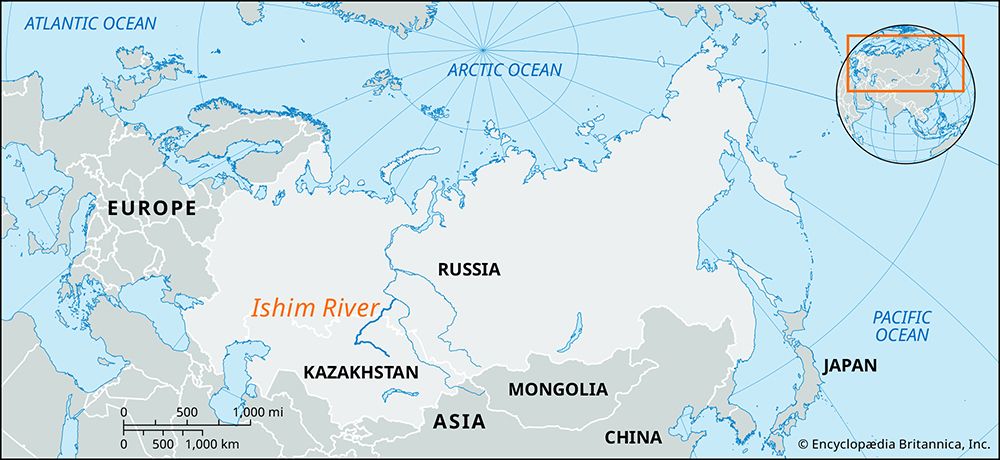
The Ishim River is a significant waterway located in northern Kazakhstan and the Tyumen and Omsk provinces of south-central Russia. As a left-bank tributary…
What is Ishim River?
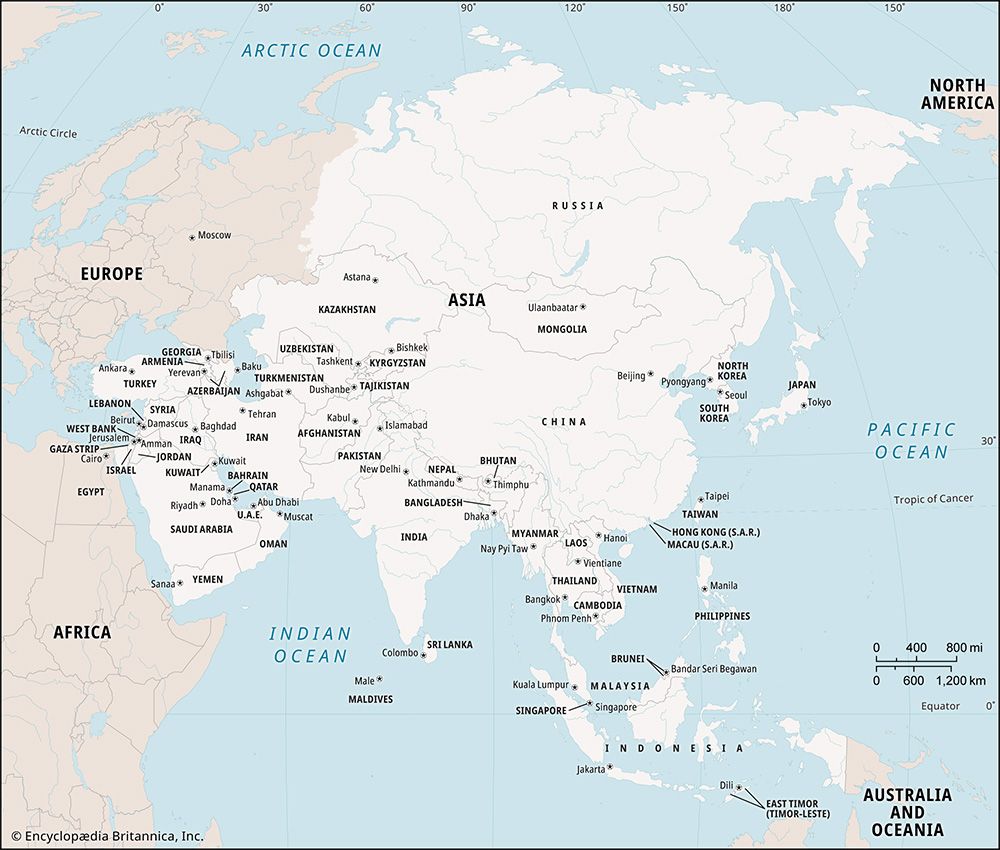
The Ishim River is a significant waterway located in northern Kazakhstan and the Tyumen and Omsk provinces of south-central Russia. As a left-bank tributary of the Irtysh River, it originates in the Niyaz Hills of the Kazakh Uplands.
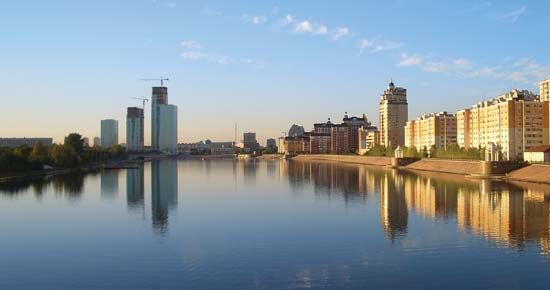
The river flows westward through Astana before turning north through Petropavl and the Ishim Steppe, eventually joining the Irtysh at Ust-Ishim. Spanning approximately 1,522 miles (2,450 km), the river is primarily snow-fed, leading to spring flooding and shallower conditions during the summer months. Beyond its role in the landscape, the river supports regional infrastructure; for instance, the Sergeyevka Reservoir provides water to various farm settlements in northern and northwestern Kazakhstan.1
What is the Irtysh River?
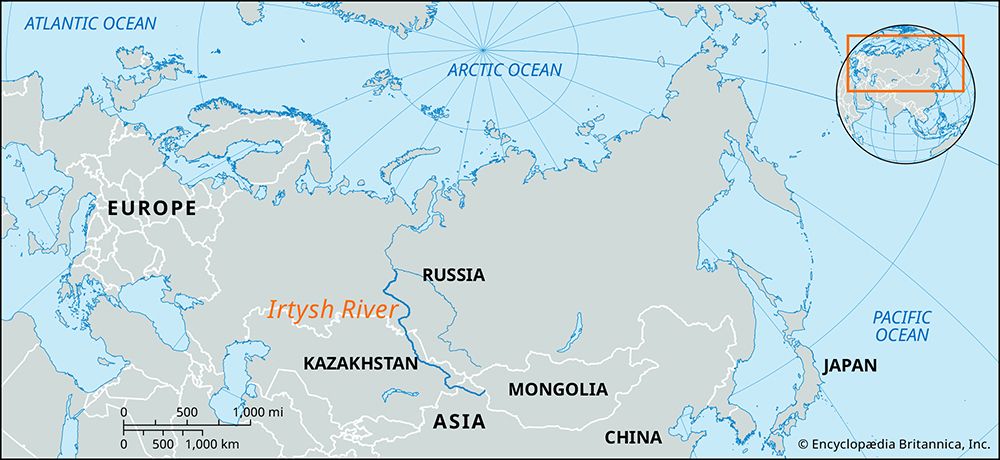
The Irtysh River is a major waterway in west-central and western Asia, stretching 2,640 miles (4,248 km). As the principal tributary of the Ob River, the two form the seventh-longest river system in the world.3
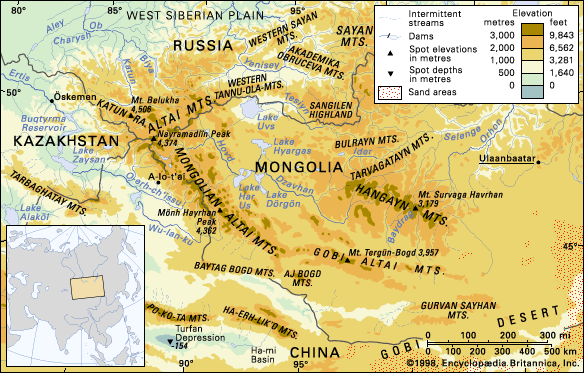
The river originates from glaciers on the southwestern slopes of the Altai Mountains in China. It flows west through Lake Zaysan into Kazakhstan, eventually entering the West Siberian Plain in Russia. After passing through Omsk, it traverses a large, swampy region before joining the Ob River near Khanty-Mansiysk.3
The Irtysh is navigable for most of its length and serves as a vital transportation route with major ports including Tobolsk, Pavlodar, and Öskemen. It also supports significant infrastructure, such as the hydroelectric stations at Öskemen and Buqtyrma.3
What are the characteristics of the Kazakh Steppe?
The Kazakh Steppe is a vast, semiarid grassland characterized by a sharply continental climate with extreme temperature fluctuations between hot summers and cold winters. It is part of the broader Eurasian Steppe, extending across northern Kazakhstan toward the Altai Mountains.456
Key characteristics include:
- Vegetation: The landscape is dominated by drought-resistant grasses, such as fescue and feather grass. While trees are scarce, they appear in river valleys and depressions.786
- Soil: Much of the region features chernozem, a highly fertile, dark soil rich in humus, which has made the area a significant center for grain cultivation.56
- Wildlife: The open terrain supports various herbivores and predators, including antelope, wolves, foxes, and diverse bird species.856
- Environmental Challenges: The region has faced significant ecological pressure due to large-scale agricultural programs, such as the Virgin and Idle Lands initiative, and overgrazing.95
How do snow-fed rivers change throughout the seasons?
Snow-fed rivers exhibit distinct seasonal patterns based on their geographic location and the timing of mountain runoff.
In many dry, landlocked regions, rivers are primarily fed by melting snow and glaciers in the mountains, causing them to reach their peak water levels during the summer months. Conversely, in northern regions, rivers often freeze over during the winter. When spring arrives, the melting of snowfields frequently leads to widespread flooding, particularly if the thaw in the upper reaches occurs while the lower sections remain blocked by ice.1011
The hydrology of glacier-fed streams is further influenced by the albedo of the ice and snow. As summer progresses, the melting of highly reflective snow exposes darker ice, which absorbs more solar radiation and accelerates melt rates, typically resulting in peak runoff in late July or early August. These streams also experience daily fluctuations in discharge due to temperature changes, which can lead to constant adjustments in the stream channel and high concentrations of sedimentscience/streambed) and high concentrations of sediment.1211
Sources
- Ishim River — Encyclopædia Britannica
- Ishim — Merriam-Webster
- Irtysh River — Encyclopædia Britannica
- Kazakh Uplands — Encyclopædia Britannica
- Kazakhstan - Russian and Soviet rule — Encyclopædia Britannica
- Kazakhstan - Plant and animal life — Encyclopædia Britannica
- Kazakhstan - Climate — Encyclopædia Britannica
- Steppe — Encyclopædia Britannica
- Russia - Wooded steppe and steppe — Encyclopædia Britannica
- Asia - Rivers — Encyclopædia Britannica
- glacier - Glacier hydrology — Encyclopædia Britannica
- North America - Rivers — Encyclopædia Britannica
Published on · 3 min read