Jasmine
The genus Jasminum, which comprises the true jasmine plants, consists of approximately 200 species of fragrant-flowered shrubs and vines belonging to the…
How many species of jasmine exist, and where are they native to?
The genus Jasminum, which comprises the true jasmine plants, consists of approximately 200 species of fragrant-flowered shrubs and vines belonging to the olive family. These plants are native to tropical and certain temperate regions of the Old World.1
It is important to note that many other fragrant plants are commonly referred to as “jasmine” despite belonging to different families. Examples include star jasmine, Cape jasmine, and Carolina jasmine, which are distinct from the Jasminum genus.12
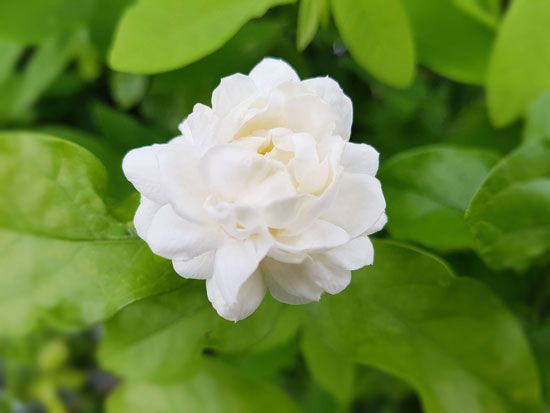
What are the most common uses of jasmine in various cultures and industries?
Jasmine is utilized across various cultures and industries, primarily valued for its fragrance and culinary properties.
Perfumery and Aromatherapy
The most prominent industrial use of true jasmine (Jasminum) is in the production of jasmine oil. Extracted from the flowers of species such as Jasminum officinale and J. grandiflorum, this essential oil is a staple in the perfumery industry. Additionally, these extracts are frequently employed in aromatherapy, where they are diffused, used in massage oils, or added to bathwater to promote emotional and physical well-being.
Culinary and Ornamental Uses
- Tea Production: The fragrant dried flowers of Arabian jasmine (J. sambac) are widely used to produce jasmine tea.3
- Agriculture: While distinct from the Jasminum genus, jasmine rice—an aromatic long-grain variety originating in Southeast Asia—is a significant culinary staple.1
- Landscaping: Several jasmine species are cultivated as ornamentals. For example, winter jasmine is often used as a cover plant on hillsides due to its growth habit.3
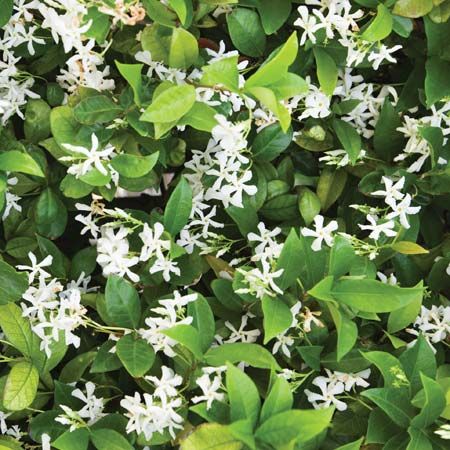
What are some of the most popular jasmine species used in gardening and landscaping?
Several species of the genus Jasminum and other plants commonly called “jasmine” are popular choices for gardening and landscaping due to their fragrance and aesthetic appeal.
True Jasmines (Jasminum)
- Common Jasmine (Jasminum officinale): Also known as poet’s jasmine, this species is widely cultivated for its attractive, shining leaves and clusters of fragrant white flowers that bloom throughout the summer.1
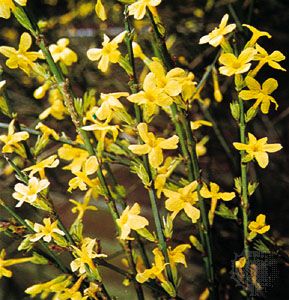
- Winter Jasmine (J. nudiflorum): A Chinese species characterized by solitary yellow flowers. It is frequently utilized as a cover plant on hillsides.1
- Japanese/Primrose Jasmine (J. mesnyi): Similar to winter jasmine, this plant features larger yellow flowers that bloom during the winter months.1
- Italian Jasmine (J. humile): A vinelike shrub that produces yellow flowers and is available in many cultivated varieties.1
Other Popular “Jasmines”
Many plants outside the Jasminum genus are also popular in landscaping:
- Star Jasmine (Trachelospermum jasminoides): A woody vine from China with evergreen leaves and fragrant white flowers.17
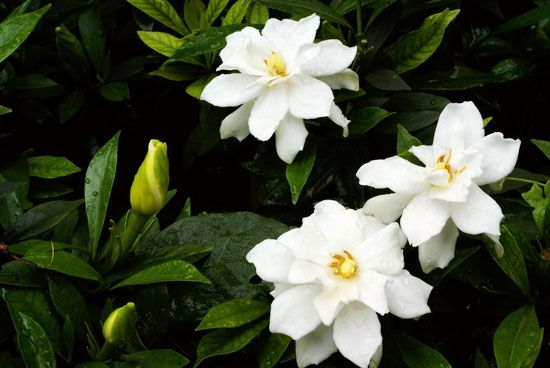
- Cape Jasmine (Gardenia jasminoides): A member of the madder family, this fragrant shrub is commonly sold by florists and grown as an ornamental.18
How is jasmine used in the perfume industry?
In the perfume industry, jasmine is a highly valued ingredient prized for its distinct floral aroma. It is primarily sourced from the flowers of species such as Jasminum officinale and J. grandiflorum, which yield a fragrant jasmine oil used as a key component in fine fragrances.39
The extraction of this scent involves specialized techniques to capture the delicate oils:
- Solvent Extraction: This process creates a solid substance known as a concrete. When treated with alcohol, the waxes are removed, leaving behind a concentrated flower oil called an absolute.1
- Enfleurage: In this traditional method, petals are placed between layers of purified animal fat, which absorbs the flower oil. The oil is then extracted from the fat using alcohol.1
In perfumery, jasmine is classified within the floral group, often serving as a middle note that provides a full, solid character to a blend. Because fine perfumes may contain over 100 ingredients, jasmine is frequently balanced with other notes to create complex scents.1
Sources
- Jasmine — Encyclopædia Britannica
- Cape jasmine — Merriam-Webster
- jasmine oil — Merriam-Webster
- jasmine rice — Merriam-Webster
- Arabian jasmine — Merriam-Webster
- aromatherapy — Encyclopædia Britannica
- star jasmine — Merriam-Webster
- Gardenia — Encyclopædia Britannica
- Perfume — Encyclopædia Britannica
Published on · 3 min read