Primrose
Primrose plants belong to the genus Primula within the family Primulaceae. It is important to note that while they share a common name, the evening primrose…
What are the defining characteristics of primrose plants?
Primrose plants belong to the genus Primula within the family Primulaceae. It is important to note that while they share a common name, the evening primrose is a distinct plant belonging to a different family, Onagraceae.12
Defining characteristics of true primroses include:
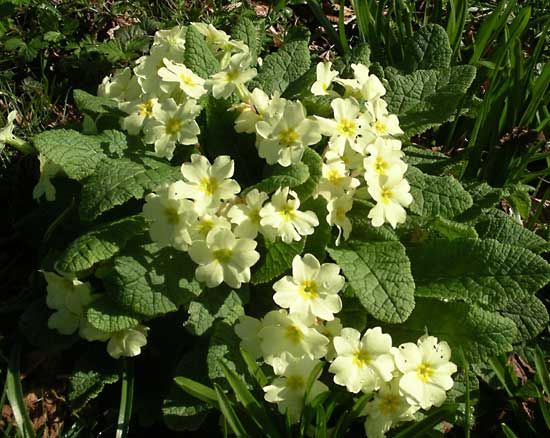
- Growth Habit: They are typically low-growing, perennial herbs, though some species are biennials. Their height varies significantly, ranging from 5 cm to 1.2 meters.1
- Foliage: The plants feature crowded, stalked leaves that can be roundish or long and narrow, often with a prominent midrib on the underside.1
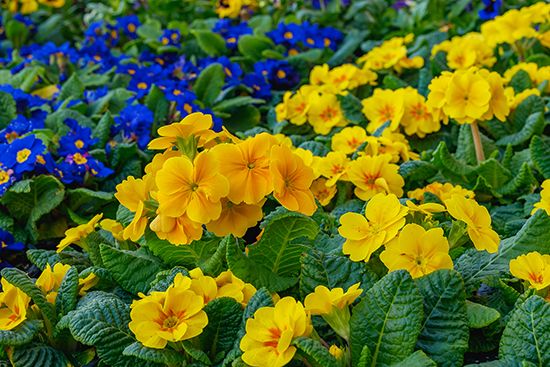
- Flowers: The flowers are a primary reason for their cultivation. They possess a tube with five spreading lobes and appear in a variety of colors, including red, pink, purple, blue, white, or yellow. They are either solitary or borne in loose clusters known as umbels.1
- Habitat: They are primarily found in cool or mountainous regions across the Northern Hemisphere.1
How many species of primrose exist, and where are they typically found?
There are approximately 490 to 600 species of primrose within the genus Primula.124
These plants are primarily found throughout the Northern Hemisphere, where they typically inhabit cool or mountainous regions. While they are most common in these temperate and colder environments, they are also found scattered in other locations globally.142
How do primroses fit into the larger family of Primulaceae plants?
The genus Primula, which includes the primrose, serves as the largest and most prominent group within the Primulaceae family. This family, part of the order Ericales, encompasses nearly 2,600 species across 58 genera, ranging from herbs and shrubs to lianas and trees.2
Within this diverse family, Primula is the major genus, containing approximately 500 to 600 species. Recent taxonomic revisions have expanded its scope by incorporating former genera such as Dodecatheon (shooting stars), Dionysia, and Cortusa.2
The family is characterized by flowers with fused petal tubes and stamens attached opposite the petals, often borne on leafless stalks. While Primula is a primary focus for garden cultivation, it shares the family with other well-known ornamental genera, including:
- Lysimachia (e.g., creeping Jenny and yellow loosestrife)
- Cyclamen
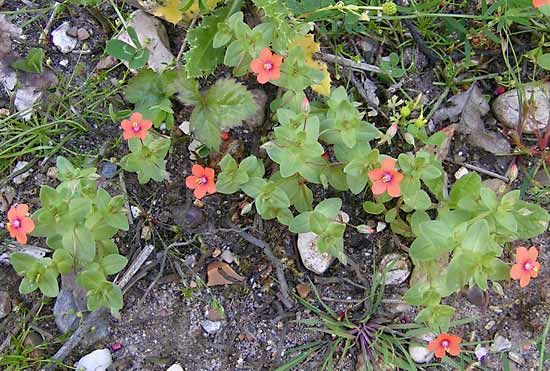
- Anagallis (pimpernels)
The family is globally distributed, thriving in environments ranging from the Old World tropics to Arctic and Alpine regions.2
How do primroses differ from evening primroses?
Although they share a similar name, “true” primroses and evening primroses are entirely distinct plants belonging to different botanical families.
The primary differences are their classification and biological family:
- True Primroses: These belong to the genus Primula within the family Primulaceae. They are widely distributed in temperate and colder regions of the Northern Hemisphere and are often associated with Arctic or Alpine environments.67
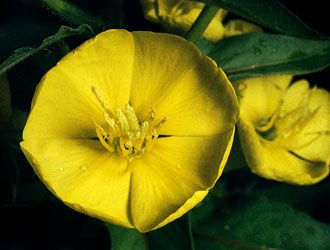
- Evening Primroses: These belong to the genus Oenothera within the family Onagraceae. The name is most commonly applied to Oenothera biennis, a biennial herb native to North America known for its showy yellow flowers that open in the evening.86
While both are flowering plants, they are not closely related. The distinction is fundamental to their taxonomy, as they occupy different branches of the plant kingdom.6
Sources
- primrose — Encyclopædia Britannica
- Primulaceae — Encyclopædia Britannica
- evening primrose — Encyclopædia Britannica
- English primrose — Merriam-Webster
- Ericales - Primuloideae — Encyclopædia Britannica
- evening primrose — Merriam-Webster
- evening-primrose family — Merriam-Webster
- tree primrose — Merriam-Webster
Published on · 2 min read