Jay
Jays are members of the Corvidae family that primarily inhabit woodlands. While they are known for their bold and raucous behavior, their specific habitat…
What is the typical habitat and geographical distribution of jay species?
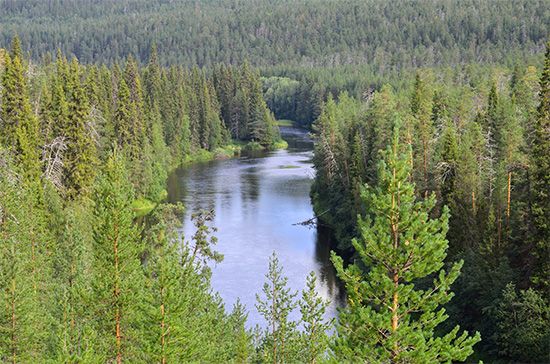
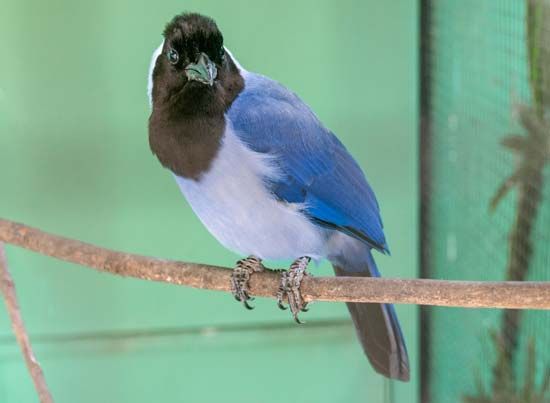
Jays are members of the Corvidae family that primarily inhabit woodlands. While they are known for their bold and raucous behavior, their specific habitat preferences can be quite adaptable; for instance, the blue jay thrives in both coniferous and deciduous forests and has successfully adapted to human-altered environments, including cities and suburban residential areas.12
Regarding their geographical distribution, most of the 35 to 40 species are found in the New World, particularly across North America. Notable examples include the blue jay, which resides east of the Rocky Mountains, and the Steller’s jay, which occupies the region to the west. Other species have more localized ranges, such as the Florida scrub jay or the island scrub jay, which is restricted to Santa Cruz Island. Several species are also found in Eurasia, with the Eurasian jay occurring across most of the continental Old World, excluding sub-Saharan Africa.1
How do jays contribute to seed dispersal and forest regeneration?
Jays play a vital role in forest regeneration through a behavior known as synzoochory, which involves the deliberate transport of seeds and nuts in their beaks. As part of their natural history, jays frequently cache—or hide—food items like acorns and hazelnuts to consume later.234
This process contributes to forest health in several ways:
- Seed Dispersal: Jays are often forgetful or sloppy, frequently failing to recover all the seeds they have cached or dropping them while in transit.23
- Range Expansion: By transporting seeds over significant distances—sometimes up to 4 km (2.5 miles) in the case of some European jays—these birds facilitate the movement of tree species into new areas.23
- Forest Regeneration: Forgotten caches that are left in the ground can sprout into new plants. This behavior has historically been instrumental in the expansion of oak trees following glacial periods.4
In Germany, for example, an average jay may transport approximately 4,600 acorns per season, demonstrating the significant impact these birds have on the distribution and growth of woodland vegetation.23
What are some of the most common jay species found around the world?
There are approximately 35 to 40 species of jays within the Corvidae family. While most are native to the New World, several species are found in the Old World. Some of the most common and notable species include:
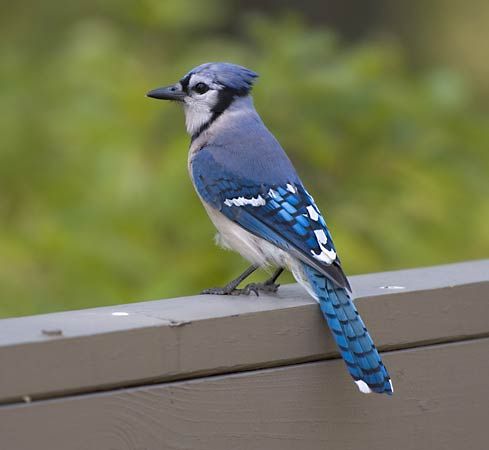
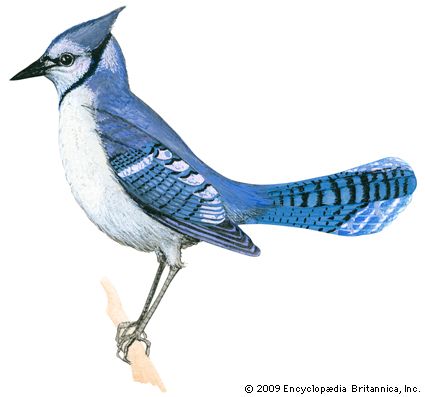
- Blue jay: A well-known North American species found east of the Rocky Mountains, recognized by its blue and white plumage, black neckline, and prominent head crest.
- Steller’s jay: A dark blue, black-crested bird that replaces the blue jay in western North America.
- Gray jay: Inhabits the northern reaches of the United States and most of Canada.
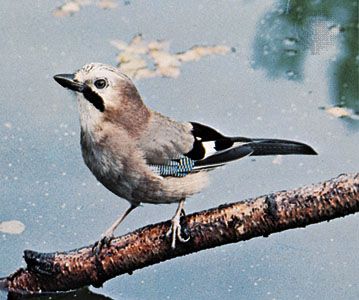
- Eurasian jay: Found across most of the continental Old World, excluding sub-Saharan Africa; it is characterized by its pinkish-brown color and blue-and-black-barred shoulders.
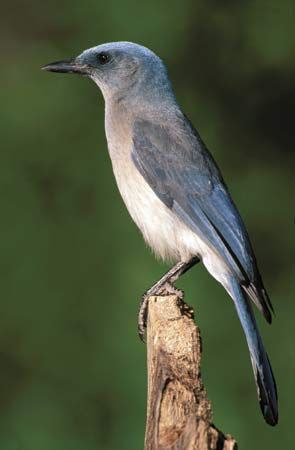
- Scrub jays: This group includes the Florida scrub jay, the western scrub jay, and the island scrub jay, which is restricted to Santa Cruz Island.
What are the feeding habits and diet of jay birds?
Blue jays are omnivores that forage for food in trees, in shrubs, and on the ground. Their diet is highly varied and changes with the seasons, consisting of both plant matter and animal prey.2
Dietary Components
- Plant-based foods: A favorite food is acorns, which they crack open to reach the seed. They also consume grains, sunflower seeds, fruits, and berries.2
- Animal-based foods: They eat insects, arachnids, snails, small rodents, and amphibians. Occasionally, they may consume the eggs or young from other birds’ nests.2
- Other sources: They are known to scavenge for carrion and will readily consume pet food.2
Feeding Behaviors
Jays are intelligent and adaptable, often storing food in caches for later consumption. They are also known for their competitive nature; they may mimic the vocalization of a hawk to frighten other birds away from their meals. In suburban areas, they are frequently observed acting aggressively at bird feeders.2
Sources
- Jay — Encyclopædia Britannica
- Blue jay — Encyclopædia Britannica
- Seed - Dispersal by birds — Encyclopædia Britannica
- Seed dispersal - Birds — Encyclopædia Britannica
Published on · 3 min read