Jícama
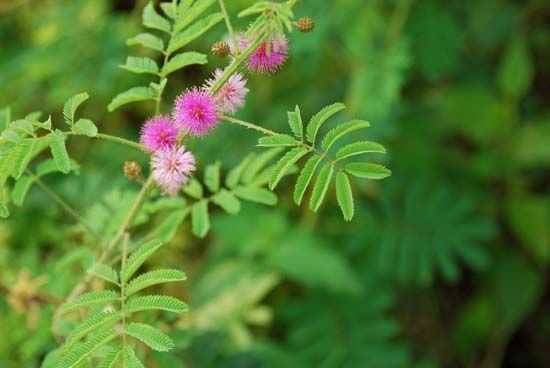
Jícama (Pachyrhizus erosus) is a leguminous vine belonging to the pea family (Fabaceae), primarily cultivated for its edible tubers. Native to Mexico and…
What is Jícama?
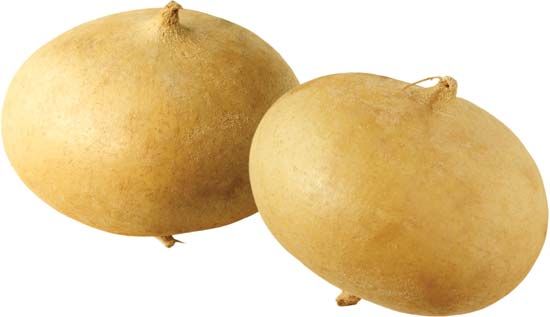
Jícama (Pachyrhizus erosus) is a leguminous vine belonging to the pea family (Fabaceae), primarily cultivated for its edible tubers. Native to Mexico and Central and South America, this plant is typically grown as an annual crop.12
The plant produces irregularly globular, brown-skinned tubers with crisp, juicy, white flesh. These are often enjoyed raw in salads or as a snack seasoned with lime and chili, though they can also be cooked. While the young seedpods are occasionally consumed, it is important to note that the mature seeds, leaves, and stems contain rotenone—a substance used as an insecticide—and are highly toxic.1
What are some other examples of edible tubers?
Beyond jícama, there are several other examples of edible tubers, which are modified plant stems that grow underground to store energy in the form of starch. Common examples include:3
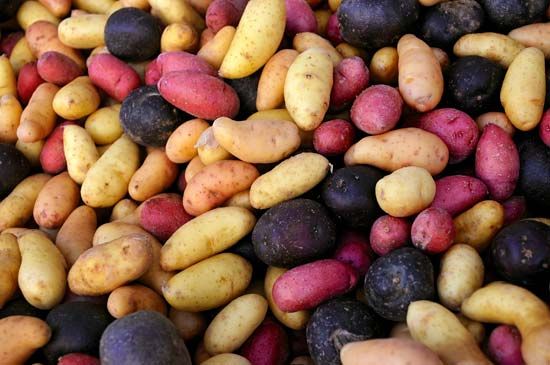
- Potato: The most widely cultivated tuber, serving as a global culinary staple.43
- Yam: A key crop in many tropical regions, particularly in West Africa and New Guinea, where it is a primary food source.45
- Jerusalem artichoke: A tuberous vegetable often used in various culinary preparations.3
It is important to distinguish these true tubers from other underground plant structures often grouped as “root vegetables.” For instance, sweet potatoes and cassava are botanically classified as tuberous roots rather than true tubers. Additionally, while some plants like taro are often associated with this group, they are technically corms—modified stems that are distinct from tubers.43
Why is rotenone considered toxic to humans?
Contrary to the implication that rotenone is highly toxic to humans, it is generally considered to have low toxicity to warm-blooded animals. While it is a potent insecticide that is highly toxic to fish, its primary effects on humans are limited to irritation of the skin, eyes, and lungs, as well as mild central nervous system stimulation.78
However, it is important to note that rotenone has been identified as an animal carcinogen, with studies showing an association with breast tumors in rats. Because of these potential health risks, it is essential to handle substances containing such compounds with caution and adhere to safety guidelines.8
How do legumes differ from other plant families?
Legumes, which belong to the family Fabaceae, are distinguished from other plant families by several unique biological and chemical characteristics:
- Nitrogen Fixation: A defining feature of many legumes is their ability to form a symbiotic relationship with nitrogen-fixing bacteria (such as Rhizobium). These bacteria inhabit root nodules, where they convert atmospheric nitrogen into ammonia, which the plant uses for development.101112
- Fruit Structure: The family is named for its characteristic fruit, the legume—a pod that typically splits open along two seams to release its seeds.1013
- Chemical Composition: Legumes produce unique chemical compounds, including the free amino acid canavanine, which is found exclusively in this family. They also produce various alkaloids, flavonoids, and tannins, often serving as a defense mechanism against predators.1415
- Floral Morphology: Many legumes, particularly in the subfamily Faboideae, possess unique, bilaterally symmetric (zygomorphic) flowers. These are often structured with a “banner” petal, two “wing” petals, and two fused lower petals forming a “keel” that encloses the reproductive organs.1415
Sources
- Jícama — Encyclopædia Britannica
- jicama — Merriam-Webster
- human nutrition - Starchy roots — Encyclopædia Britannica
- Root vegetable — Encyclopædia Britannica
- list of vegetables — Encyclopædia Britannica
- Yam — Encyclopædia Britannica
- rotenone — Merriam-Webster
- poison - Insecticides — Encyclopædia Britannica
- rotenoid — Merriam-Webster
- Fabales: Top Questions — Encyclopædia Britannica
- Fabaceae — Encyclopædia Britannica
- Legume — Encyclopædia Britannica
- Nitrogen-fixing bacteria — Encyclopædia Britannica
- Fabaceae - Faboideae — Encyclopædia Britannica
- Fabales - Faboideae — Encyclopædia Britannica
- human nutrition - Legumes — Encyclopædia Britannica
Published on · 2 min read