Warthog
The warthog (Phacochoerus aethiopicus or P. africanus) is a member of the pig family, Suidae, native to open and lightly forested regions of Africa. These…
What is warthog?
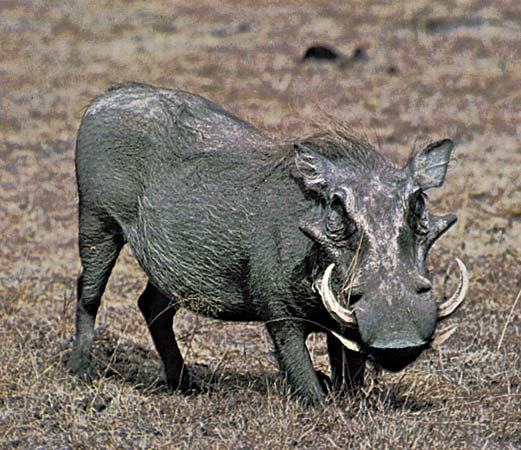
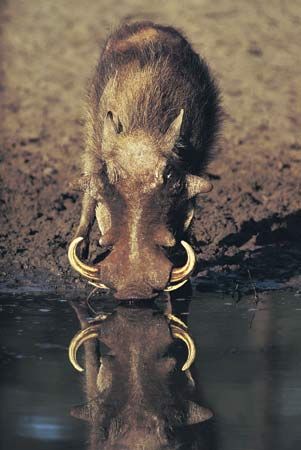
The warthog (Phacochoerus aethiopicus or P. africanus) is a member of the pig family, Suidae, native to open and lightly forested regions of Africa. These gregarious animals are characterized by their large heads, sparse hair, and a coarse mane extending down their backs.12
A defining feature of the species is the presence of tusks in both sexes; the lower tusks serve as sharp weapons, while the upper tusks curve into a semicircle, sometimes exceeding 60 cm in length in males. Additionally, males possess two pairs of rough, warty facial excrescences, which give the animal its name. Warthogs are herbivores that feed on grass and vegetation, often seeking shelter in abandoned aardvark burrows, which they enter backward to defend themselves. Unlike some other artiodactyls that use horns for stylized wrestling, warthogs are hornless and can be quite aggressive, with combatants risking serious injury or death during fights.123
Why do warthogs enter their burrows backward?
Warthogs enter their burrows backward primarily to ensure they are prepared to defend themselves against potential threats. By positioning themselves in this manner, they keep their heads and tusks facing the entrance, allowing them to effectively ward off predators or intruders that might attempt to enter their shelter.1
What are the primary predators of warthogs in the African savanna?
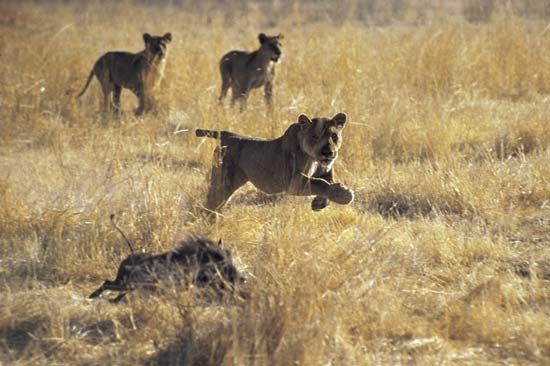
Warthogs face various threats in the African savanna, primarily from large carnivores. While adult warthogs are formidable due to their tusks and aggressive nature, they remain vulnerable to predation.
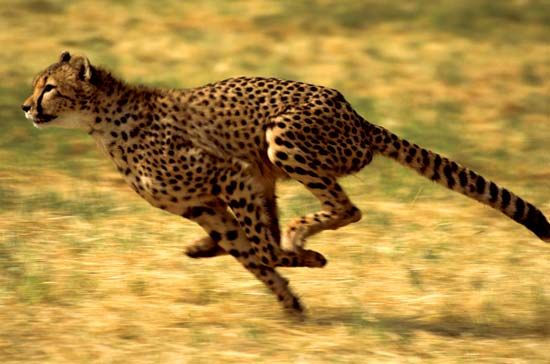
- Cheetahs: These predators are known to hunt young warthogs as part of their varied diet of small animals.1
- Hyenas: As opportunistic and proficient hunters, spotted hyenas are capable of taking down a wide range of prey. While their diet consists largely of antelopes, they are known to hunt animals ranging from young hippos to other savanna mammals.4
Because warthogs are often targeted, their habit of entering aardvark burrows backward is a critical defensive adaptation, allowing them to face potential predators head-on with their tusks if threatened.5
How do warthog tusks differ from the horns of other animals?
Warthog tusks are fundamentally different from the horns found on many other animals. While horns are typically paired structures that grow from the upper portion of the head of hoofed mammals, such as antelopes or sheep, warthog tusks are actually enlarged, overgrown teeth.61
The distinction lies in their biological composition and origin:
- Composition: True horns are composed of a bony core covered by a sheath of keratin. In contrast, tusks—like those of the warthog, elephants, and narwhals—are made of dentin and enamel, the same materials that form teeth.71
- Anatomy: Warthogs possess two pairs of these teeth. The lower tusks function as sharp weapons, while the upper tusks curve upward and inward in a semicircle.6
- Function: While horns are primarily used for defense against predators or in battles between males for breeding access, tusks serve a variety of purposes, including defense, digging, and foraging.71
Sources
- warthog — Encyclopædia Britannica
- warthog — Merriam-Webster
- artiodactyl - Social behaviour — Encyclopædia Britannica
- cheetah: Top Questions — Encyclopædia Britannica
- hyena — Encyclopædia Britannica
- elephant - Tusks and teeth — Encyclopædia Britannica
- What does a narwhal use its horn for? — Encyclopædia Britannica
Published on · 2 min read