Impala
The impala (Aepyceros melampus) is a graceful, swift-running antelope native to the savannas and open woodlands of eastern and southern Africa. As the most…
What is an impala?
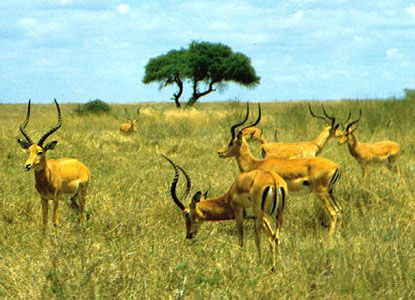
The impala (Aepyceros melampus) is a graceful, swift-running antelope native to the savannas and open woodlands of eastern and southern Africa. As the most abundant ruminant in its range, it belongs to the family Bovidae and is placed in its own unique tribe, Aepycerotini.12
Physically, the impala is medium-sized with a sleek, two-toned tan and red-brown coat. Males are notably larger than females and possess distinctive, lyre-shaped horns that can reach lengths of over 90 cm. These animals are highly gregarious, often gathering in large herds, and are famous for their remarkable athleticism; when threatened, they can leap up to 3 meters high and 10 meters long to evade carnivores.21
An adaptable “edge” species, the impala is a mixed feeder that switches between grazing and browsing depending on the season, allowing it to thrive in diverse environments.2
Where do impalas live?
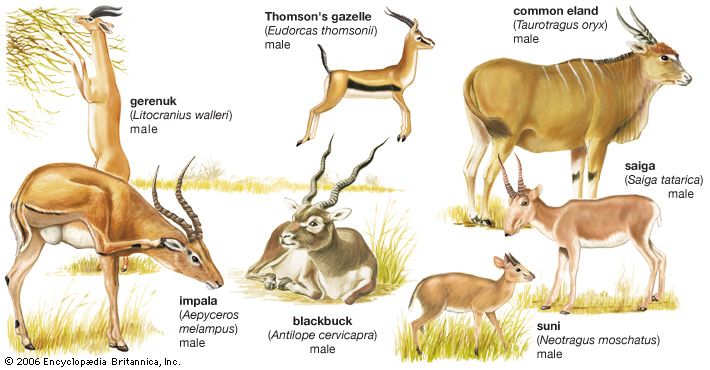
Impalas are native to the savannas and open woodlands of eastern, central, and southern Africa.21
They are considered an “edge” species, meaning they prefer the ecotone—the transitional area—between woodland and grassland habitats. Because they are mixed feeders that can switch between grazing on grass and browsing on shrubs, they are highly adaptable and can survive in diverse environments, including areas that have been stripped of grass by livestock or are located far from water sources.2
What do impalas eat?
The impala is a flexible, mixed-feeding ruminant that adjusts its diet based on the availability of food throughout the seasons. During the rainy season, impalas primarily graze on grass. As the dry season approaches and grass becomes less available, they switch their feeding habits to browse on shrubs and other vegetation.2
This “catholic” or varied diet makes the impala highly adaptable. Because they can shift between grazing and browsing, they are able to thrive in diverse environments, including areas that have been heavily grazed by livestock or regions located far from consistent water sources.2
How do impalas protect themselves from predators?
Impalas rely on a combination of extreme vigilance, group behavior, and remarkable physical agility to survive in environments where they are a preferred prey for various carnivores, ranging from lions to eagles.1
Their primary defense strategies include:
- Exceptional Vigilance: Because they often feed in bushed areas that make them vulnerable to ambush, impalas remain highly alert to their surroundings to detect threats early.1
- Confusing Escape Tactics: When alarmed, impalas scatter and run in all directions. This erratic movement, combined with their ability to soar over bushes in leaps up to 3 meters (10 feet) high and 10 meters (33 feet) long, serves to confuse potential attackers.21
- Alarm Signaling: Impalas utilize “flagging,” a visual alarm signal where they lift their tails to reveal a white undersurface while bounding away. This serves as a warning to other members of the herd.13
- Gregarious Behavior: Living in large, closely packed herds provides safety in numbers, allowing for more eyes to watch for danger.1
Sources
- Did you know? — Merriam-Webster
- impala — Encyclopædia Britannica
- Alarm signal — Encyclopædia Britannica
Published on · 3 min read