Karoo System
The Karoo System is a vital geological record that provides a nearly singular glimpse into ancient terrestrial life, spanning from the Carboniferous and…
How has the Karoo System contributed to our understanding of ancient ecosystems and extinct species?
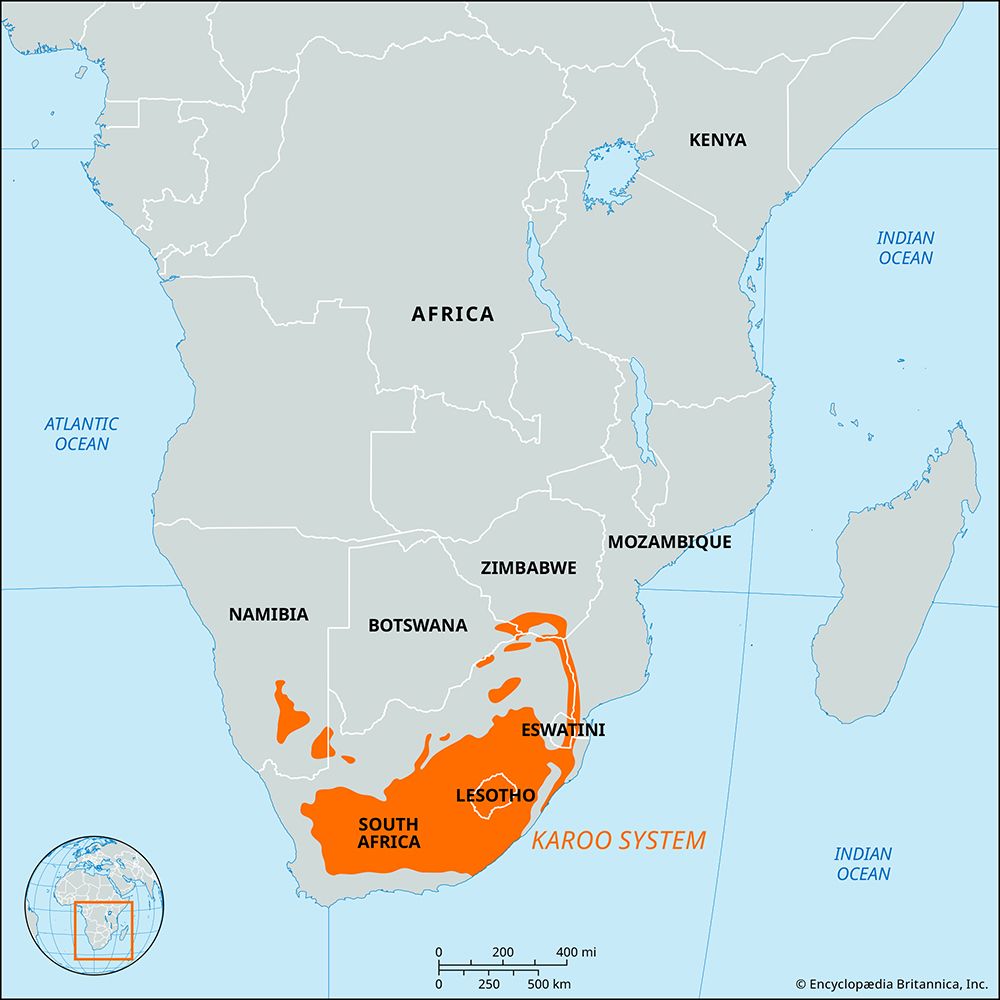
The Karoo System is a vital geological record that provides a nearly singular glimpse into ancient terrestrial life, spanning from the Carboniferous and Permian periods through the Late Triassic Epoch. Its nonmarine sediments, including shales and red beds, offer a detailed chronicle of a gradual climatic shift toward increasing aridity.1
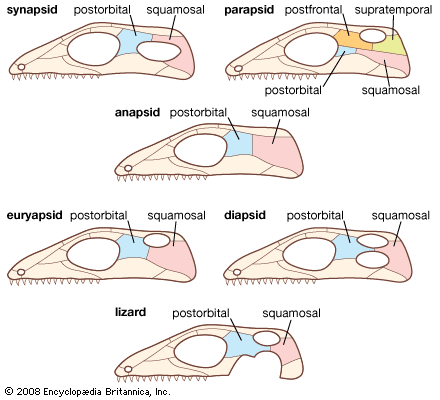
The system is scientifically renowned for its rich fossil record, particularly regarding reptilian evolution. It is especially famous for its abundance of amphibian and reptile fossils, most notably the mammal-like therapsids. These fossils are of immense importance to evolutionary biology because they include the progenitors of true mammals, providing critical evidence for the transition between these groups.12
Additionally, the Karoo System’s geological features, such as its glacial deposits, have helped scientists correlate ancient environmental conditions across continents, including South America, India, and Australia, offering insights into the Earth’s past geography and climate.1
How old is the Karoo System and what geological time periods does it span?
The Karoo System is a vast geological sequence spanning approximately 159 million years. It encompasses the Carboniferous and Permian periods, which occurred roughly 359 million to 252 million years ago, and extends through the Late Triassic Epoch, dating from about 237 million to 200 million years ago.1
The system is categorized into four distinct series, reflecting this extensive timeline:
- Stormberg Series: Late Triassic1
- Beaufort Series: Late Permian to Early Triassic1
- Ecca Series: Early Permian1
- Dwyka Series: Early Permian1
These nonmarine rock layers, which reach thicknesses of over 10,500 meters, provide a critical record of terrestrial life and environmental changes, including a long-term shift toward increased aridity.1
How have fossils found in the Karoo System helped in understanding the evolution of mammals?
The Karoo System is globally significant for its extensive fossil record of therapsids, a group of mammal-like reptiles that serve as the direct ancestors of mammals. These fossils provide a remarkably complete transition in skeletal features over approximately 80 million years, documenting the evolutionary path from early reptiles to true mammals.16
Key contributions to our understanding include:
- Cynodont Evolution: A specialized subgroup of therapsids, cynodonts exhibited many features that anticipated mammalian biology. Fossils found in the Karoo, such as the early genus Procynosuchus, reveal the development of a secondary palate, which allowed these animals to chew food and breathe simultaneously—a trait essential for the higher metabolic requirements of mammals.7
- Skeletal Transitions: Karoo fossils demonstrate a gradual shift in jaw structure, teeth, and braincase appearance, bridging the gap between reptilian and mammalian anatomy.76
- Physiological Insights: The success of therapsids in the high paleolatitudes of Gondwana suggests they may have possessed the ability to maintain elevated body temperatures, a precursor to mammalian endothermy.6
What economic importance does the Karoo System have in terms of natural resources?
The Karoo System holds significant economic importance primarily due to its vast deposits of natural resources that support energy production. Its most notable commercial assets include:
- Coal: The system contains extensive coal seams, which serve as a vital energy source. In South Africa, coal extracted from these geological layers is used extensively for the generation of electricity and is a key commodity for export to international markets in East Asia and Europe.19
- Petroleum and Natural Gas: The Karoo System contains some petroleum deposits. Additionally, the presence of shale formations within the system has drawn interest regarding the potential for shale gas extraction, although the commercial viability and environmental implications of such unconventional resources remain subjects of ongoing discussion and study.110
Beyond these direct mineral resources, the Karoo region—which overlies much of this geological system—supports an agricultural economy characterized by sheep farming for wool, mutton, and pelts, as well as irrigated crop cultivation in specific valleys.311
Sources
- Karoo System — Encyclopædia Britannica
- Africa - The Paleozoic Era — Encyclopædia Britannica
- Little Karoo — Encyclopædia Britannica
- Great Karoo — Encyclopædia Britannica
- Kromdraai — Encyclopædia Britannica
- cynodont — Encyclopædia Britannica
- Permian Period - Emergence of important reptiles — Encyclopædia Britannica
- Beaufort Series — Encyclopædia Britannica
- Karoo — Encyclopædia Britannica
- South Africa - Resources and power — Encyclopædia Britannica
- shale gas — Encyclopædia Britannica
Published on · 3 min read