Kob
Sorry, the Britannica knowledge base does not contain information regarding specific conservation concerns or current protection efforts for kob populations.
Are there any conservation concerns for kob populations, and if so, what efforts are being made to protect them?
Sorry, the Britannica knowledge base does not contain information regarding specific conservation concerns or current protection efforts for kob populations.
What are the physical characteristics and size of a typical kob?
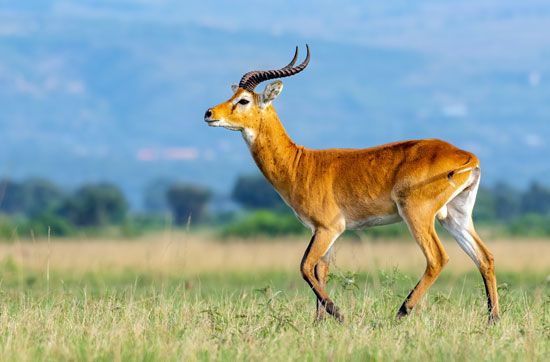
The kob (Kobus kob) is a small, stocky antelope characterized by a graceful appearance and a short, sleek coat. It possesses a robust build with strong legs and overdeveloped hindquarters, which facilitate a powerful bounding gallop.12
Physical Characteristics
The species exhibits significant sexual dimorphism:
- Males (Bucks): These are larger and more muscular, featuring thick necks. They are distinguished by heavily ridged, lyre-shaped horns measuring 40–69 cm (16–27 inches) in length. Their coats are generally darker, highlighting white markings on the throat, underparts, eye rings, and the insides of the ears.1
- Females (Does): These are more slender than males and are hornless.1
Coat coloration varies by subspecies. For example, the Uganda kob is a rich reddish brown with bold black stripes on the front of its legs, while the male white-eared kob can appear nearly ebony in color.1
Size
- Weight: Bucks typically weigh about 94 kg (207 pounds), which is one-third heavier than the females.1
- Height: They stand approximately 90–100 cm (35–39 inches) at the shoulder, with males standing about 8 cm (3 inches) taller than females.1
What is a kob and which family of mammals does it belong to?
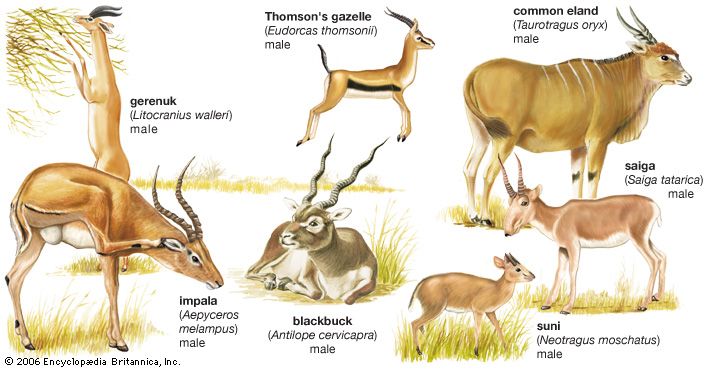
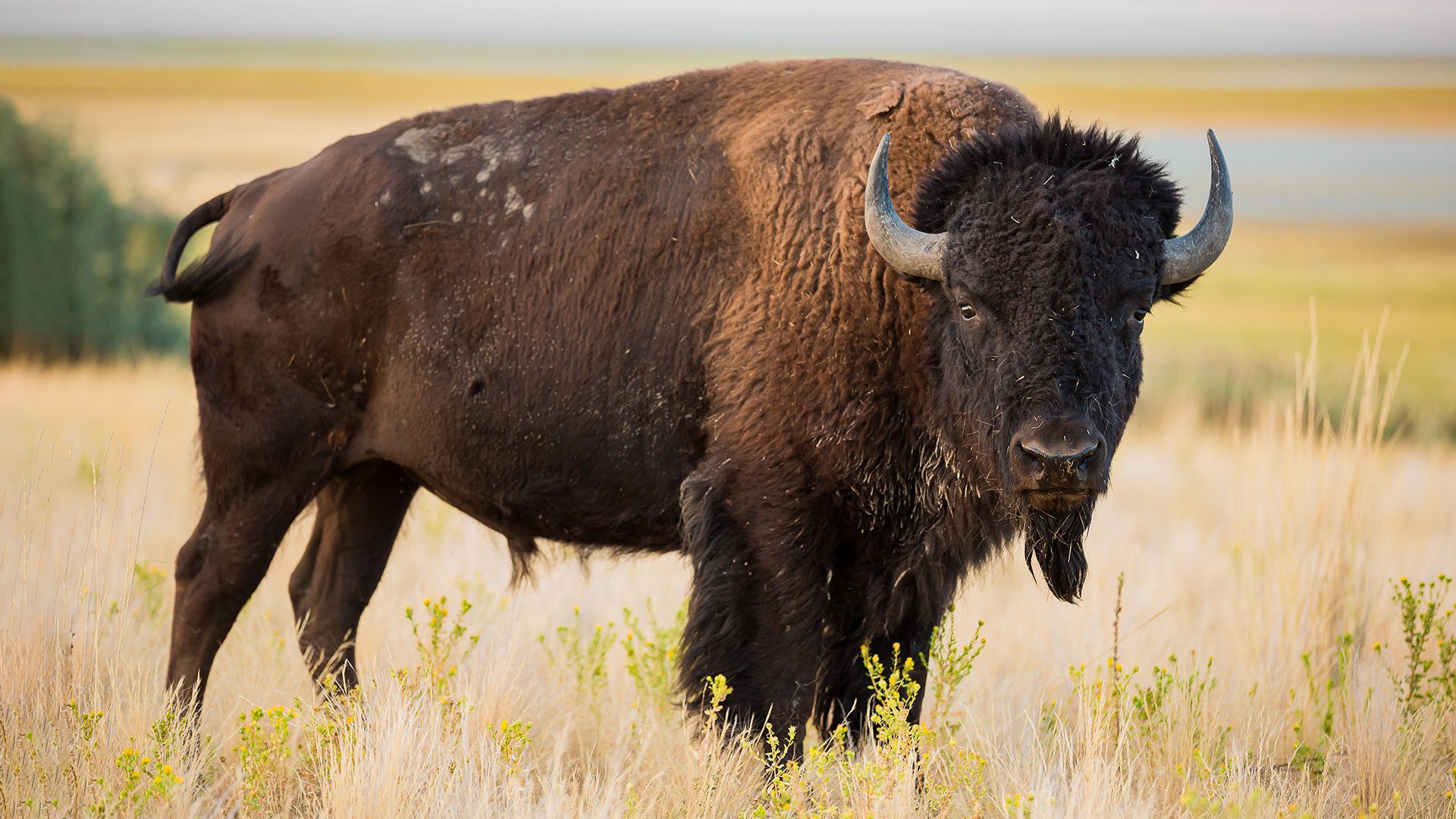
The kob (Kobus kob) is a small, stocky antelope native to the floodplains of the African savanna. It belongs to the family Bovidae, a diverse group of hoofed mammals within the order Artiodactyla that also includes cattle, sheep, goats, and bison.213
As a member of the genus Kobus, the kob is closely related to other African antelopes such as waterbucks, lechwes, and the puku.com/animal/lechwe), and the puku. Unlike many other bovids, the kob is notable for its unique social structure, which includes the formation of high-density breeding arenas known as leks.2
How do kobs compare to other similar antelope species in terms of behavior and appearance?
The kob (Kobus kob) shares the genus Kobus with other African antelopes, including waterbucks, lechwes, and the puku. While they share a common lineage, their physical and behavioral traits differ significantly.
Appearance
- Build and Coat: The kob is a graceful, stocky antelope with a short, sleek coat. In contrast, waterbucks are characterized by shaggy, coarse hair, and the puku resembles the kob but possesses longer hair. Lechwes are distinguished by their short, blunt muzzles and elongated, widely splayed hooves, which provide support on soft, marshy ground.
- Coloration: While many of these species exhibit white markings, patterns vary. For example, the common waterbuck has a white ring on its rump, whereas the kob features black markings on its legs. Sexual dimorphism is pronounced across the genus, with males typically being larger and darker than females.
Behavior
- Habitat: Kobs prefer open floodplain grasslands and avoid deep wetlands. Conversely, lechwes are highly aquatic, often entering water to feed on aquatic grasses, and are considered clumsy runners on dry land.
- Social Structure: The kob, lechwe, and topi are unique among antelopes for forming high-density breeding arenas known as leks. In these arenas, territorial males crowd together in small, defended spaces to display to females. While other artiodactyls may defend territories for food or shelter, the Uganda kob specifically maintains small, temporary territories solely for breeding purposes.
Sources
- kob — Encyclopædia Britannica
- Kobus — Encyclopædia Britannica
- bovid — Encyclopædia Britannica
- lechwe — Encyclopædia Britannica
- artiodactyl - Social behaviour — Encyclopædia Britannica
Published on · 3 min read