Kolguyev Island
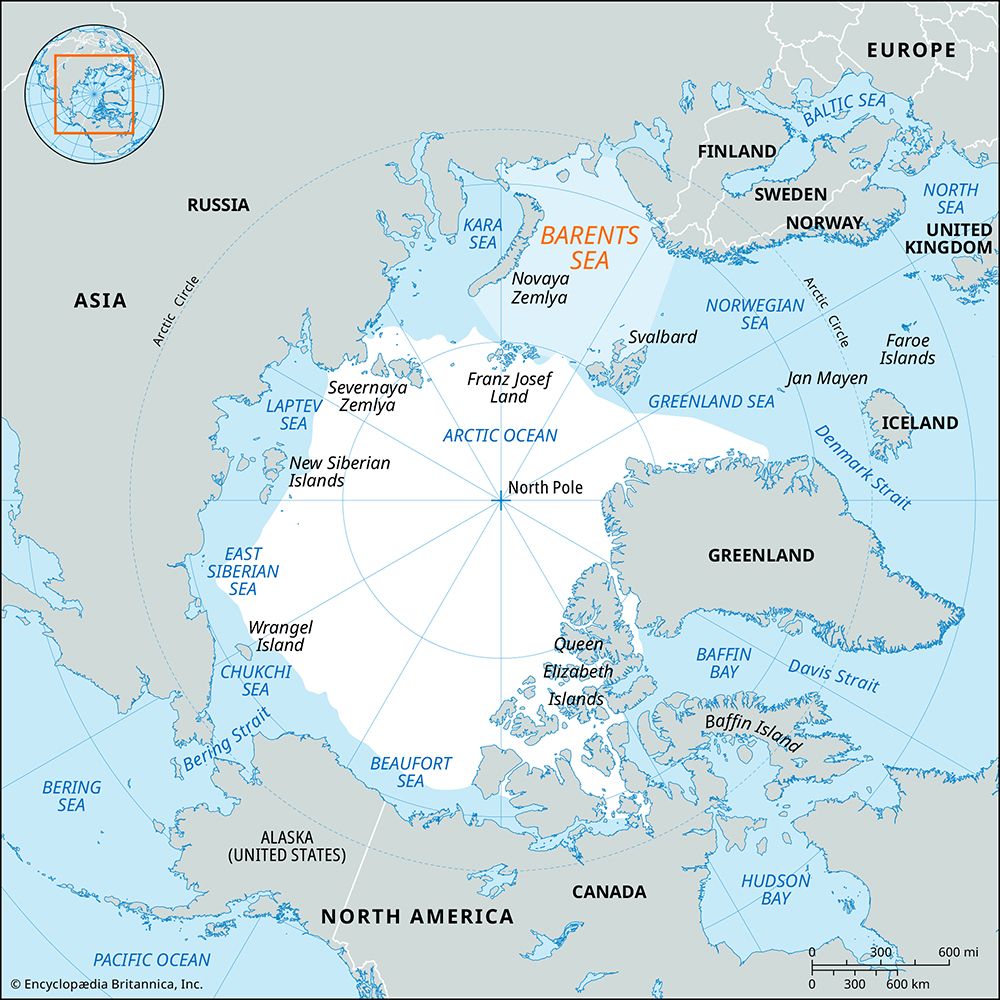
Kolguyev Island is a Russian island located in the Barents Sea, approximately 45 miles off the coast of the Arkhangelsk region. Covering about 3,220 square…
What is Kolguyev Island?
Kolguyev Island is a Russian island located in the Barents Sea, approximately 45 miles off the coast of the Arkhangelsk region. Covering about 3,220 square miles, the landscape is defined by morainic hills and bogs, featuring tundra vegetation that supports small herds of reindeer managed by Nenets herdsmen.1
The island serves as a habitat for foxes and acts as a nesting ground for various waterfowl during the summer months.1
Who are the Nenets people?
The Nenets are an ethnolinguistic group native to northwestern Russia, inhabiting a vast region stretching from the White Sea to the Taymyr Peninsula and from the Sayan Mountains to the Arctic Ocean. They are the largest group of speakers of Samoyedic languages, a branch of the Uralic family, and their name translates to “man”.2
Ethnographers divide the Nenets into two groups:
- Tundra Nenets: The larger group, inhabiting regions west of the Ural Mountains, the Ob and Yamal peninsulas, and areas near the Yenisey River.2
- Forest Nenets: A smaller group living near the Pur River and tributaries of the Middle Ob.2
Traditionally, the Nenets are reindeer pastoralists, hunters, and fishermen. Reindeer breeding is central to their economy, providing food, clothing, and materials for tools and transport. While many now live in permanent villages, nomadic herders continue to migrate across the tundra using conical, hide-covered tents. Historically, they practiced shamanism, and they maintain a social structure traditionally organized by patrilineal clans.23
What is the tundra ecosystem like?
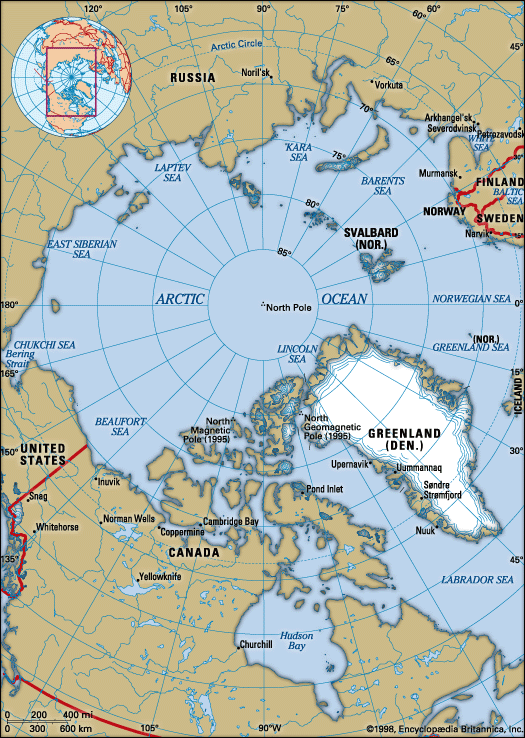
The tundra is a vast, treeless biome characterized by cold temperatures, low precipitation, and a short growing season. It is primarily divided into two types: Arctic tundra, found north of the Arctic Circle, and alpine tundra, which occurs at high elevations above the timberline on mountains worldwide.567
Environmental Characteristics
A defining feature of the Arctic tundra is permafrost—ground that remains permanently frozen. This layer prevents water drainage, often resulting in boggy, saturated soil during the summer thaw. In contrast, alpine tundra is generally drier due to steeper topography and the absence of continuous permafrost. Both environments are shaped by a freeze-thaw cycle, which creates unique landforms like patterned ground and pingos.58
Vegetation and Wildlife
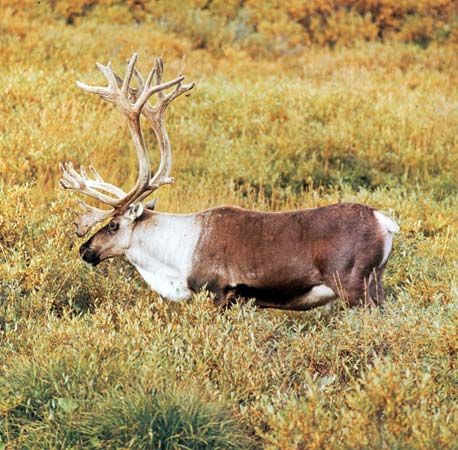
Vegetation is sparse, consisting mainly of mosses, lichens, herbs, and dwarf shrubs. While the ecosystem supports a limited variety of animals—such as caribou, musk oxen, and arctic foxes—it is highly fragile. Damage to any element of the food chain can trigger a rapid, negative chain reaction throughout the system.569
Climate Change Impacts
Tundra ecosystems are exceptionally sensitive to global warming. Rising temperatures are causing permafrost to thaw, which risks releasing stored carbon as methane and CO2, potentially creating a feedback loop that accelerates further warming. Additionally, the northward migration of trees and shrubs is reducing the geographic extent of the traditional tundra.9
How do reindeer adapt to cold climates?
Reindeer (Rangifer tarandus) have evolved several physiological and behavioral adaptations to thrive in harsh, cold climates:
- Insulation: Reindeer possess heavy guard hairs that are hollow, which significantly increases the insulating properties of their coat. Their coloration also shifts, becoming whitish in winter to provide camouflage in the snow.11
- Foraging Adaptations: They have deeply cloven hooves that allow their feet to spread, providing stability on snow and soft ground. Their sharp hooves and antlers enable them to dig through snow to reach reindeer moss and other plants during winter.1112
- Metabolic Efficiency: In winter, their metabolism slows down. They survive on a low-protein diet by recycling urea within their digestive system to utilize nitrogen.11
- Body Size: As large herbivores, reindeer benefit from a smaller surface-area-to-volume ratio, which helps minimize heat dissipation in freezing environments.12
- Social Behavior: Females retain their antlers throughout the winter, which allows them to defend feeding craters from other reindeer. Additionally, they engage in large-scale seasonal migrations to access optimal food sources.11
Sources
- Kolguyev Island — Encyclopædia Britannica
- Nenets — Encyclopædia Britannica
- Nenets — Encyclopædia Britannica
- Arctic - Traditional culture — Encyclopædia Britannica
- Tundra — Encyclopædia Britannica
- Tundra climate — Encyclopædia Britannica
- Tundra - Effects of human activities and climate change — Encyclopædia Britannica
- Tundra - Soils — Encyclopædia Britannica
- Canada - Tundra — Encyclopædia Britannica
- Tundra - Distribution — Encyclopædia Britannica
- reindeer — Encyclopædia Britannica
- Inuit: Top Questions — Encyclopædia Britannica
- Tundra - Arctic mammals — Encyclopædia Britannica
Published on · 3 min read