Lake Nakuru
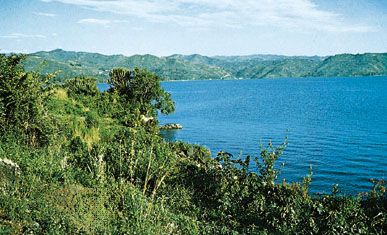
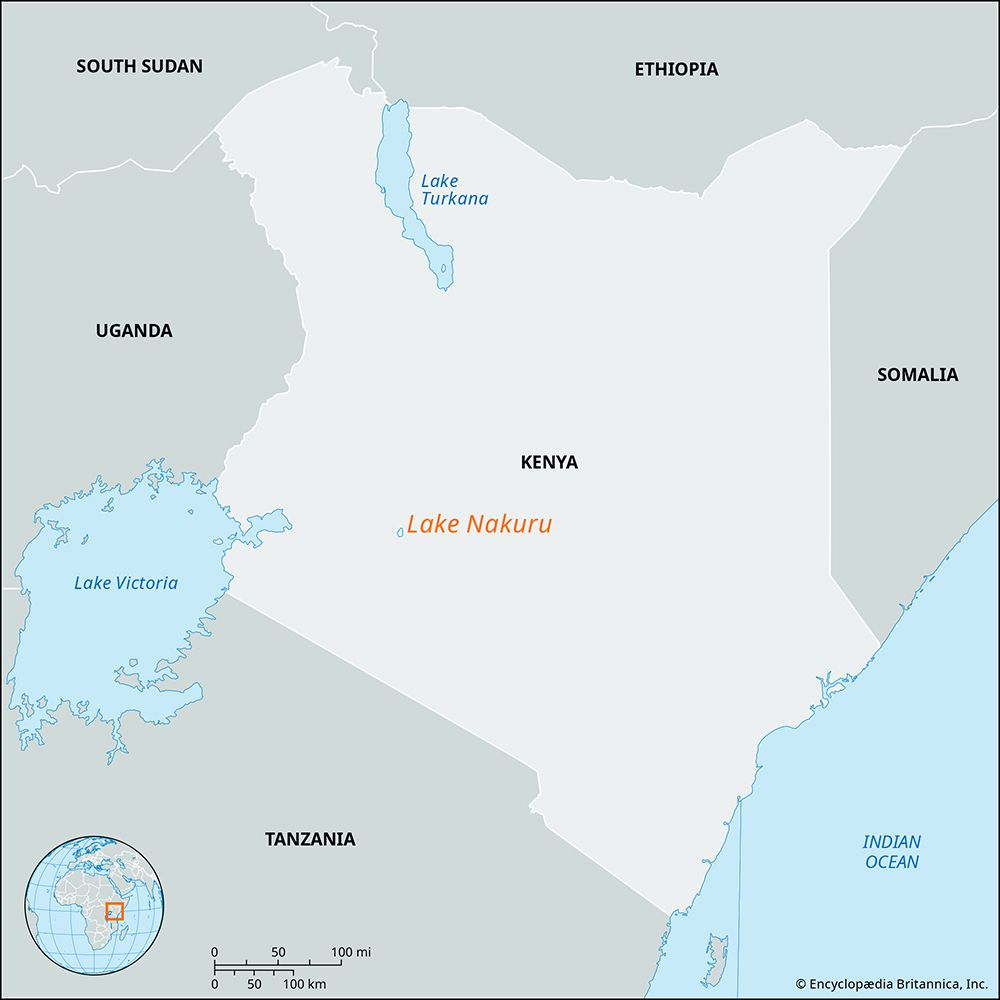
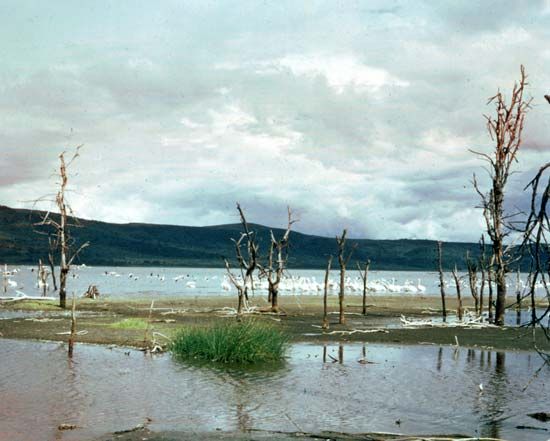
Lake Nakuru is a saline lake located in the Great Rift Valley of west-central Kenya. It is situated near the town of Nakuru, which lies on its northern shore.
What is Lake Nakuru?
Lake Nakuru is a saline lake located in the Great Rift Valley of west-central Kenya. It is situated near the town of Nakuru, which lies on its northern shore.12
The lake is primarily recognized for its diverse birdlife, most notably its vast congregations of flamingos, which have made it a famous destination for ornithologists. The surrounding area is protected within Lake Nakuru National Park, which also supports populations of waterbucks, impalas, and hippopotamuses.13
Due to its nature as a shallow, saline lake, it is highly sensitive to climatic fluctuations; for instance, the lake dried up completely during the 1939–40 period. Because of its high salinity, the lake has a severely limited fish population compared to many other East African lakes.43
What is the Great Rift Valley and how did it form?
The Great Rift Valley is the main branch of the East African Rift System, an extensive geological feature stretching approximately 4,000 miles (6,400 km) from Jordan in the north to Mozambique in the south.56
Formation
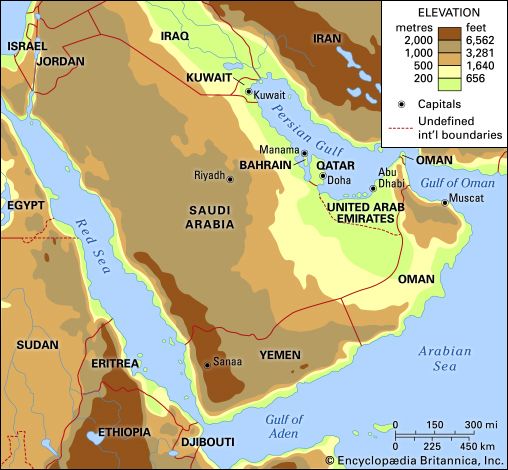
The valley has been forming for roughly 30 million years as the African Plate and the Arabian Peninsula have gradually separated. This process is driven by the following mechanisms:5
- Divergence: As lithospheric plates move apart, the crust thins and stretches. A block of crust drops down between these diverging plates, similar to a keystone falling from an arch.78
- Upwelling: In regions like Ethiopia and Kenya, the process is often associated with large domes. Hot material from the asthenosphere rises, pushing the overlying lithosphere upward and heating it, which causes it to expand and stretch.7
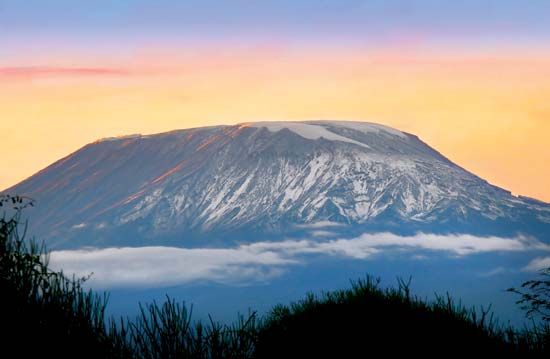
- Volcanism: This stretching and thinning of the crust allows magma to rise, leading to extensive volcanic activity along the rift, which has produced major massifs such as Kilimanjaro and Mount Kenya aro) and Mount Kenya.57
Why do flamingos thrive in saline lakes like Lake Nakuru?
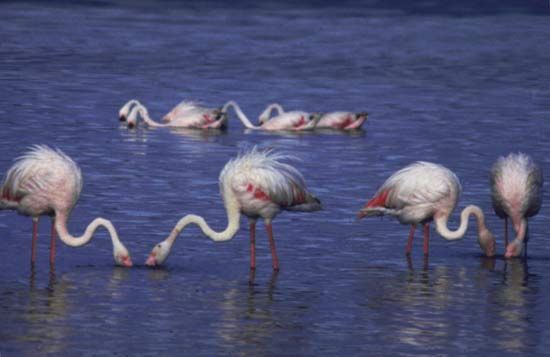
Flamingos thrive in saline environments like Lake Nakuru primarily because these habitats provide an abundant supply of their specialized diet. These birds feed on algae, brine fly larvae, and brine shrimp, which flourish in the lake’s unique ecosystem.91
This diet is essential to the flamingo’s biology, as it is rich in carotenoid pigments, specifically beta-carotene. When flamingos ingest these organisms in large quantities, their digestive enzymes break down the pigments, which are then absorbed by fats and deposited into their feathers and skin, resulting in their characteristic pink coloration.91
By foraging in the shallows, flamingos use their specialized, comblike bill structures to strain these food sources from the water. Because they rely on these specific food chains, the saline conditions of lakes in the Great Rift Valley create an ideal environment for flamingos to congregate in massive numbers.1910
What other national parks are located in Kenya?
Kenya is home to a diverse array of national parks and reserves that protect its unique landscapes and wildlife. Beyond the well-known sites in the Great Rift Valley, other notable national parks include:
- Tsavo National Park: Established in 1948, this is Kenya’s largest national park. It is divided into Tsavo East and Tsavo West, featuring semiarid plains, volcanic landscapes, and abundant wildlife such as elephants, lions, and rhinoceroses.1112
- Nairobi National Park: Founded in 1946, this was the first national park in Kenya. Located just a few miles from the capital, it consists of rolling plains and woods that support lions, giraffes, and zebras.13
- Amboseli National Park: Situated at the foot of Mount Kilimanjaro, this park is renowned for its scenic views and large mammal populations.12
- Mount Kenya National Park: Designated as a UNESCO World Heritage site, this park encompasses the mountain and its surrounding natural forests.1214
- Lake Turkana National Parks: This group includes Sibiloi, South Island, and Central Island national parks, which are significant for both their wildlife and archaeological findings.1214
- Marsabit National Park and Reserve: Located in the north, this area is noted for its population of large mammals, including elephants and giraffes.12
Sources
- Lake Nakuru — Encyclopædia Britannica
- Nakuru — Encyclopædia Britannica
- East African lakes - Plant and animal life — Encyclopædia Britannica
- East African lakes - Geology, climate, and hydrology — Encyclopædia Britannica
- East African Rift System — Encyclopædia Britannica
- Great Rift Valley — Encyclopædia Britannica
- tectonic basins and rift valleys - Rift valleys — Encyclopædia Britannica
- plate tectonics - Continental rifting — Encyclopædia Britannica
- Why Are Flamingos Pink? — Encyclopædia Britannica
- Flamingo — Encyclopædia Britannica
- Tsavo National Park — Encyclopædia Britannica
- Kenya - Cultural institutions — Encyclopædia Britannica
- list of World Heritage sites - Kenya — Encyclopædia Britannica
- Nairobi National Park — Encyclopædia Britannica
- Tsavo National Park — Merriam-Webster
- Kenya - Plant and animal life — Encyclopædia Britannica
Published on · 3 min read