Lespedeza
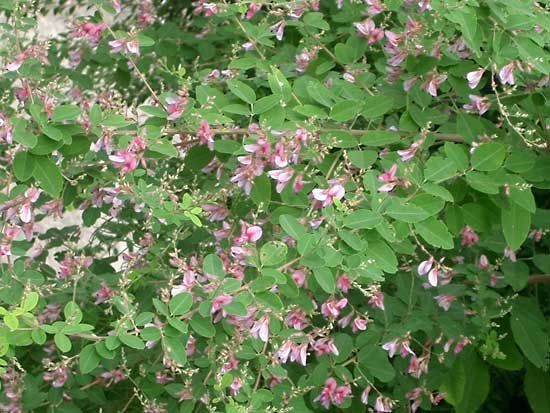
Lespedeza, a genus within the pea family (Fabaceae), contributes to soil health through a symbiotic relationship with soil bacteria known as rhizobia.
How does lespedeza contribute to nitrogen fixation in the soil?
Lespedeza, a genus within the pea family (Fabaceae), contributes to soil health through a symbiotic relationship with soil bacteria known as rhizobia.1
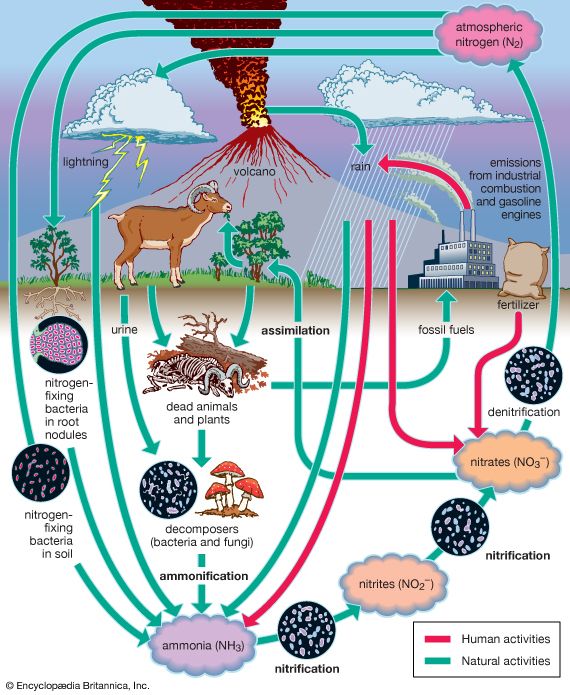
These bacteria reside in specialized root nodules provided by the plant. Through a complex biosynthetic interaction, the plant and bacteria work together to “fix” atmospheric nitrogen—which is otherwise unavailable to most living organisms—into usable forms like nitrates or ammonia compounds.12
As the plant grows, these nitrogen compounds are utilized for its own metabolism. When the plant parts, particularly the roots, decay, these nitrogen products are released into the soil, effectively increasing nutrient levels and making the nitrogen accessible to other plants. Because of this ability, lespedeza is frequently utilized as a green manure crop to naturally enrich depleted soils.12
What are the potential medicinal or nutritional uses of lespedeza?
The provided information does not indicate that Lespedeza has medicinal or human nutritional uses. While the genus is highly valued in agriculture, its primary applications are focused on forage and hay for livestock, green manure for soil enrichment, erosion control, and use as ornamentals.
The plants are well-regarded for their ability to thrive in poor or eroded soils and their role in improving soil health through nitrogen fixation, but there is no evidence in the provided data to support their use as food or medicine for humans.13
What are the different species of lespedeza and where are they native to?
The genus Lespedeza consists of approximately 40 species of plants belonging to the Fabaceae family. These plants are native to North America, Australia, and tropical and East Asia.1
While the genus is diverse, species are generally categorized as herbaceous perennials, small shrubs, or annuals. Notable examples include:
- Sericea lespedeza (Lespedeza cuneata): A widely used perennial in American agriculture for pasture and soil conservation.1
- Bicolor lespedeza (L. bicolor): A shrublike species frequently cultivated as an ornamental.1
- Common lespedeza (Kummerowia striata): Formerly classified as L. striata, this annual is native to Asia.1
- Korean lespedeza (K. stipulacea): Formerly classified as L. stipulacea, this annual is also native to Asia.1
How is lespedeza used in agriculture and land management?
Lespedeza plays a significant role in agriculture and land management due to its versatility and ability to thrive in challenging environments. Its primary applications include:
- Forage and Hay: Several species are widely cultivated as forage crops and for hay production to support livestock.13
- Soil Improvement: As members of the Fabaceae family, these plants host symbiotic bacteria that perform nitrogen fixation. This process enriches the soil with nutrients, making them valuable as green manure crops.1
- Erosion Control: Species such as sericea lespedeza (Lespedeza cuneata) are highly effective for soil conservation. Their extensive root systems and dense growth canopies allow them to stabilize and grow on badly eroded soils, helping to prevent further land degradation.1
Beyond these agricultural uses, certain species are also utilized as ornamentals in landscaping.1
Sources
- lespedeza — Encyclopædia Britannica
- Fabaceae - Nitrogen fixation — Encyclopædia Britannica
- lespedeza — Merriam-Webster
Published on · 2 min read