Little Owl
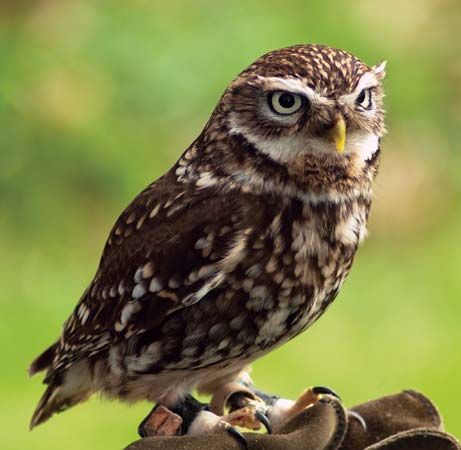
The little owl (Athene noctua) is a small bird, measuring approximately 20 cm (8 inches) in length, belonging to the owl family Strigidae. Unlike many other…
What is Little owl?
The little owl (Athene noctua) is a small bird, measuring approximately 20 cm (8 inches) in length, belonging to the owl family Strigidae. Unlike many other owls, this species is active during the day and is frequently seen perching in the open.1
Little owls are year-round residents across Europe, central Asia, and northern Africa, and they have been introduced to the United Kingdom and New Zealand. They typically nest in natural holes or buildings within habitats such as grasslands, savannas, cliffs, and gorges. Their diet consists of insects, small mammals, birds, and reptiles.1
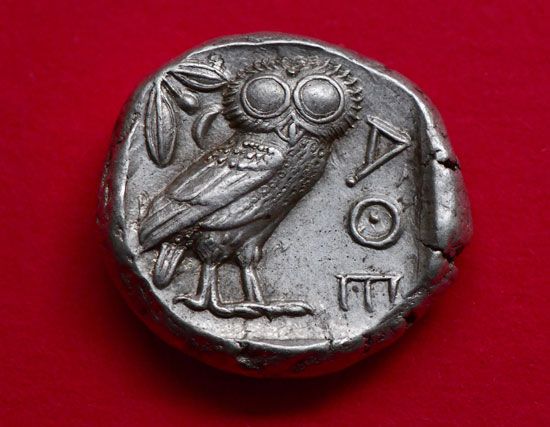
Historically, the little owl has served as a significant cultural symbol. Associated with the Greek goddess Athena and the Roman goddess Minerva, it is widely regarded in Western traditions as a symbol of intelligence and wisdom. Representations of the bird have appeared in art, literature, and on currency for thousands of years.1
Why is the little owl considered a symbol of wisdom in Greek mythology?
The little owl (Athene noctua) is considered a symbol of wisdom primarily due to its long-standing association with Athena, the Greek goddess of wisdom and practical reason.14
This symbolic connection was reinforced through several cultural factors:
- Divine Association: As the bird of Athena, the little owl became a representative of the goddess’s attributes, including intelligence and foresight.14
- Civic Representation: The owl served as a prominent civic device for the city of Athens. It appeared on ancient Athenian coins, such as the tetradrachm, which solidified its status as a recognized emblem of the state and its patron deity.15
- Interpretive Traditions: In Western tradition, the owl was sometimes thought to presage events, which contributed to its reputation as a creature of intelligence.4
While the little owl is celebrated as a symbol of wisdom, it is important to note that owls have held diverse meanings across history. Due to their nocturnal habits and haunting calls, they have also been associated with the occult, the “darkness” of the unknown, and superstition in various cultures and time periods.4
How do little owls differ from other owl species in their hunting habits?
Little owls (Athene noctua) differ from many other owl species primarily in their activity patterns and specific hunting behaviors. While most owls are nocturnal, the little owl is notably active during the day and is frequently observed perching in the open, making it easier to spot than its more secretive, night-active relatives.2
Their hunting habits are characterized by the following:
- Perch-Hunting: Like many woodland owls, little owls typically secure their prey by dropping down from perches located at the edges of forest openings or other vantage points.6
- Dietary Versatility: They are opportunistic hunters that consume a varied diet consisting of insects, small mammals, birds, and reptiles.2
- Comparison to Other Species: Unlike grassland-dwelling owls such as the barn owl or short-eared owl, which hunt by sustained flight over open ground, the little owl relies more on its ability to wait and strike from a stationary position. Furthermore, while some specialized owls exhibit unique behaviors—such as the elf owl hovering to scare insects into flight or the burrowing owl running down prey on the ground—the little owl’s daytime activity and perch-based strategy distinguish it from the strictly nocturnal, flight-hunting habits of many other Strigidae species.63
What are some of the biggest threats to the survival of small owl species?
Small owl species face several significant threats to their survival, primarily driven by human activity and ecological competition. Key factors include:
- Habitat Loss: The destruction of old-growth forests is a primary driver of population decline for many species, such as the spotted owl. Logging and the removal of mature trees eliminate the essential nesting cavities and sheltered environments these birds require.2
- Interspecific Competition: Small owls often struggle against more aggressive or abundant species. For example, the invasion of desert habitats by the European starling has severely impacted small owls by allowing starlings to occupy and defend limited nesting cavities before the owls return from wintering grounds. Similarly, barred owls have outcompeted spotted owls for food and living space, driving them out of large portions of their northern habitat.32
- Introduced Species: Historically, the introduction of non-native animals by settlers has been devastating to endemic island populations, as seen in the extinction of the laughing owl in New Zealand.3
- Environmental and Human Hazards: Owls are susceptible to forest fires and extreme weather, such as heavy snow, which can force them to relocate. Additionally, human-related dangers include automobile strikes and accidental trapping.210
Sources
- Little owl — Encyclopædia Britannica
- Owl - General features — Encyclopædia Britannica
- Owl - Reproduction and development — Encyclopædia Britannica
- Owl — Encyclopædia Britannica
- coin - Early developments, c. 650–490 bc — Encyclopædia Britannica
- Owl - Ecology — Encyclopædia Britannica
- Owl - Behaviour — Encyclopædia Britannica
- Owl - Form and function — Encyclopædia Britannica
- Burrowing owl — Encyclopædia Britannica
- Spotted owl: Top Questions — Encyclopædia Britannica
- Spotted owl — Encyclopædia Britannica
- Barred owl — Encyclopædia Britannica
Published on · 4 min read