Lungworm
Lungworms are a specific group of parasitic nematodes belonging to the superfamily Metastrongyloidea. While all nematodes share common characteristics—such…
How do lungworms differ from other types of parasitic nematodes?
Lungworms are a specific group of parasitic nematodes belonging to the superfamily Metastrongyloidea. While all nematodes share common characteristics—such as bilateral symmetry, an external cuticle that is periodically molted, and a pseudocoel—lungworms are distinguished primarily by their specialized habitat and life cycle.12
Unlike many other parasitic nematodes that may inhabit the alimentary or circulatory systems, lungworms specifically infest the lungs and air passages of mammals, including dolphins, whales, pigs, sheep, and cattle. Furthermore, while some nematodes have direct life cycles, the life cycle of many lungworm species requires intermediate hosts, such as snails and slugs, to complete their development.12
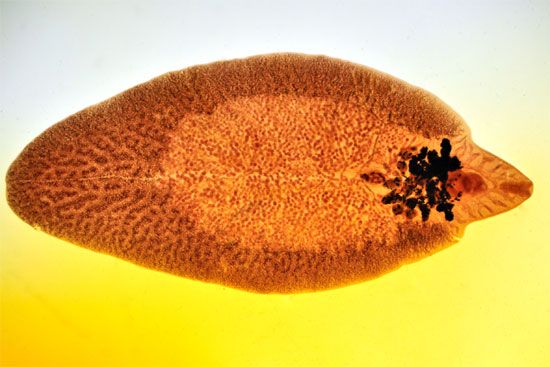
It is important to note that lungworms are often confused with lung flukes; however, lung flukes are trematodes (phylum Platyhelminthes) and are biologically distinct from the nematode lungworms.1
Can lungworms pose any risks to human health?
Yes, lungworms can pose significant risks to human health. While many species primarily affect animals, certain members of the superfamily Metastrongyloidea are pathogenic to humans.1
The most notable example is the rat lungworm (Angiostrongylus cantonensis). Although it typically resides in rats, humans can become infected, leading to a condition known as rat lungworm disease. This infection is characterized by eosinophilic meningitis, which involves an increase in eosinophils—a type of white blood cell—within the central nervous system.1
It is important to distinguish these parasites from other roundworms like Ascaris lumbricoides. While Ascaris larvae do migrate through the lungs during their life cycle, causing inflammation and fluid retention, they are classified differently than the metastrongyloid lungworms that specifically target the respiratory system as their primary habitat.13
How do lungworms transmit and complete their life cycle?
The life cycle of lungworms varies by species, utilizing either direct or indirect transmission methods to reach their mammalian hosts.1
Transmission and Life Cycle
- Direct and Indirect Cycles: Some lungworm species have direct life cycles, while others require intermediate hosts, such as snails and slugs, to facilitate development.1
- Intermediate Hosts: In species like the French heartworm (A. vasorum), the parasite is carried by slugs and snails, which act as essential intermediate hosts for the larvae.1
- Fungal-Assisted Transmission: A unique transmission strategy exists for Dictyocaulus viviparus, which infects cattle. These larvae attach themselves to the sporangia of Pilobolus fungi. The fungus then explosively ejects its spores—carrying the hitchhiking lungworm larvae—onto fresh vegetation. When a grazing animal consumes this vegetation, the larvae enter the digestive system and migrate to the respiratory tract to mature and reproduce.5
Once inside the definitive host, the parasites mature and complete their life cycle, perpetuating the infection within the host population.5
What are lungworms, and which animals do they commonly affect?
A lungworm is any parasitic nematode belonging to the superfamily Metastrongyloidea that infests the lungs and air passages of mammals. These parasites are distinct from lung flukes, which are classified as trematodes rather than nematodes.14
Lungworms affect a wide range of mammals, including:
- Livestock: Species such as Dictyocaulus commonly infest cattle and sheep, while the genus Metastrongylus typically affects pigs.1
- Domestic and Wild Animals: The French heartworm (A. vasorum) is known to cause disease in dogs and wild canids.1
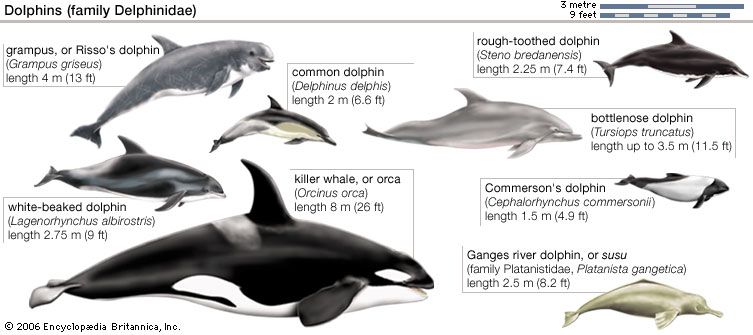
- Marine Mammals: Certain lungworm species are known to infest dolphins and whales.1
- Humans: While many lungworms are primarily of veterinary concern, some species are pathogenic to humans. For example, the rat lungworm (Angiostrongylus cantonensis) can cause rat lungworm disease, a condition involving eosinophilic meningitis.1
Sources
- lungworm — Encyclopædia Britannica
- nematode — Encyclopædia Britannica
- ascariasis — Encyclopædia Britannica
- lungworm — Merriam-Webster
- Pilobolus — Encyclopædia Britannica
- parasitic disease - Parasite life cycles — Encyclopædia Britannica
- flatworm - Development — Encyclopædia Britannica
Published on · 3 min read