Major Mass Extinctions
A mass extinction event is a rare, catastrophic occurrence in which a significant portion of Earth’s species—typically 75 percent or more—vanishes within a…
What is Major Mass Extinctions?
A mass extinction event is a rare, catastrophic occurrence in which a significant portion of Earth’s species—typically 75 percent or more—vanishes within a relatively short period of geologic time. These events cause drastic collapses in biodiversity and fundamentally alter the biosphere, often triggered by volcanism, asteroid impacts, or rapid climatic changes.12
There have been five major mass extinctions in Earth’s history:
- Ordovician-Silurian: Occurred ~443.8 million years ago; likely driven by climate-induced sea-level fluctuations.13
- Late Devonian: Occurred ~372 million years ago; characterized by ocean anoxia and gradual species loss.13
- Permian-Triassic: The “Great Dying” (~252 million years ago); the most severe event, wiping out over 90 percent of marine species.123
- Late Triassic: Occurred ~208 million years ago; cleared ecological niches for dinosaurs.13
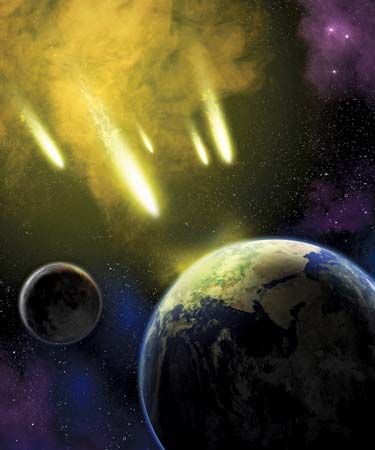
- Cretaceous-Paleogene (K-Pg): Occurred ~66 million years ago; famously linked to an asteroid impact that ended the age of non-avian dinosaurs.13
Currently, scientists warn that a sixth mass extinction is underway, driven by human activities such as habitat destruction, pollution, and climate change. Protecting our planet’s remaining biodiversity is a critical moral imperative for humanity.13
How do scientists use the fossil record to identify mass extinctions?
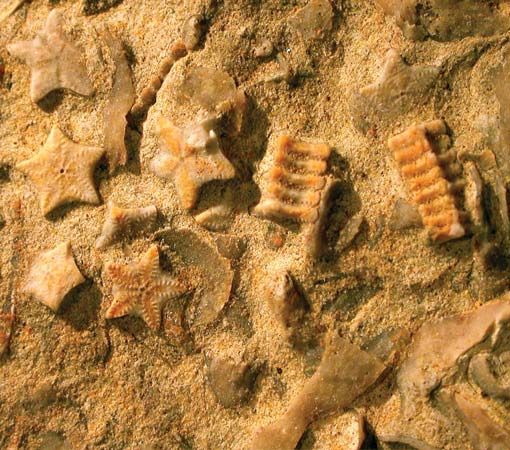
Scientists identify mass extinction events by analyzing the fossil record, which serves as a historical archive of Earth’s biological life. By examining strata—the layered rock formations deposited over millions of years—paleontologists can observe significant, abrupt declines in biodiversity.214
Key methods used to interpret these records include:
- Stratigraphic Analysis: Scientists track the “first” and “last” occurrences of specific taxa within rock layers. A mass extinction is identified when a vast number of species disappear simultaneously or within a geologically short timeframe (typically less than two million years) across wide geographic areas.4521
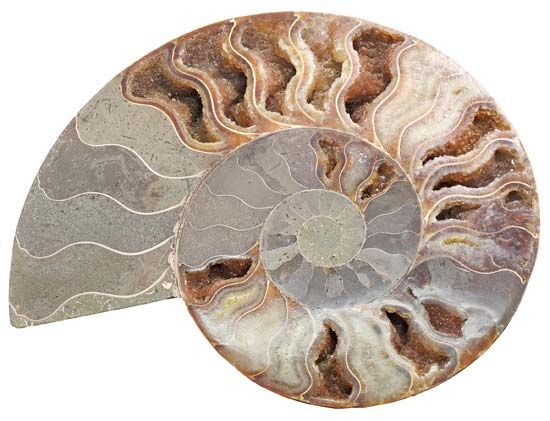
- Faunal Anomalies: Researchers look for sudden changes in the composition of biological communities, such as the disappearance of dominant groups (e.g., trilobites or ammonites) and the subsequent emergence of new species filling abandoned ecological niches.267
- Geochemical Signatures: Layers of rock can contain evidence of catastrophic events, such as iridium deposits from asteroid impacts or black shale indicating oxygen-depleted (anoxic) marine conditions, which help correlate biological collapses with environmental stressors.879
What are some examples of ecological niches that opened up after the dinosaurs went extinct?
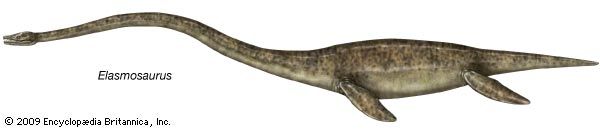
The mass extinction at the end of the Cretaceous Period, often called the K–T extinction, cleared vast ecological space by eliminating dinosaurs on land and large marine reptiles like ichthyosaurs, mosasaurs, and plesiosaurs in the oceans.1011
This event triggered an adaptive radiation of mammals, which had previously been small, shrewlike creatures hiding in the undergrowth. With the removal of dominant dinosaurian competitors, mammals rapidly diversified into numerous ecological roles:1012
- Terrestrial Herbivores: Ungulates (hoofed mammals) evolved to fill niches as grazers and browsers, leading to the rise of perissodactyls (such as horses and rhinoceroses) and artiodactyls (such as camels, deer, and cattle).1012
- Large Predators: The absence of large reptilian carnivores allowed for the evolution of massive placental predators, including the sabre-toothed cat and various felines and canines.1012
- Specialized Mammals: Other groups expanded into diverse niches, such as elephants (proboscideans), primates, rodents, and bats.12
- Geographic Specialization: In isolated regions like Australia and South America, marsupials evolved into a diverse array of forms, filling roles that were occupied by placental mammals elsewhere.10
In the oceans, the disappearance of ammonites and other marine reptiles allowed mollusks and reef-building corals to diversify significantly, reshaping marine ecosystems.10
What is the difference between background extinction and a mass extinction event?
The primary difference between background extinction and a mass extinction event lies in the scale, speed, and impact of species loss.
Background Extinction Background extinction refers to the continual, low-level rate of species loss that occurs as part of the natural evolutionary process. Species succumb to environmental pressures, competition, or evolutionary changes at a relatively steady, slow pace. Scientists estimate this rate to be roughly one to five species per year when considering the entire fossil record.21
Mass Extinction Event In contrast, a mass extinction event is an extremely rare, catastrophic occurrence characterized by the rapid loss of a significant portion of Earth’s biodiversity. These events are defined by several key factors:521
- Magnitude: They involve the loss of a vast number of species, typically 75 percent or more, across a wide geographic area.52
- Timeframe: The extinctions occur within a geologically short period, often less than two million years.52
- Impact: They cause widespread collapse of biological communities and are often triggered by major events like asteroid impacts or intense volcanism.) impacts or intense volcanism.21
Sources
- mass extinction event — Encyclopædia Britannica
- mass extinction — Merriam-Webster
- Major Mass Extinctions — Encyclopædia Britannica
- Devonian Period - Extinction events — Encyclopædia Britannica
- extinction — Encyclopædia Britannica
- dinosaur - The K–T boundary event — Encyclopædia Britannica
- dinosaur - Faunal changes — Encyclopædia Britannica
- Devonian extinctions — Encyclopædia Britannica
- Anthropocene Epoch - Evidence in layers of rock — Encyclopædia Britannica
- Mesozoic Era - Mesozoic life — Encyclopædia Britannica
- Cenozoic Era - Cenozoic life — Encyclopædia Britannica
- Tertiary Period - The rise of mammals — Encyclopædia Britannica
- reptile - Fossil distribution — Encyclopædia Britannica
- Cretaceous Period - Mass extinction — Encyclopædia Britannica
- Carboniferous Period - Amphibians and early reptiles — Encyclopædia Britannica
Published on · 4 min read