Malaita
Malaita shares the same general climate and ecological characteristics as the rest of the Solomon Islands. The entire archipelago experiences a tropical…
How does Malaita’s climate and ecology compare to other Solomon Islands?
Malaita shares the same general climate and ecological characteristics as the rest of the Solomon Islands. The entire archipelago experiences a tropical oceanic climate, defined by hot, humid conditions, year-round rainfall, and cooling winds. Temperatures across these islands typically remain below 90 °F (32 °C), with annual precipitation generally ranging between 120 and 140 inches (3,000–3,500 mm).1
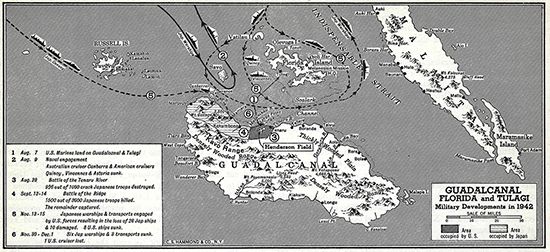
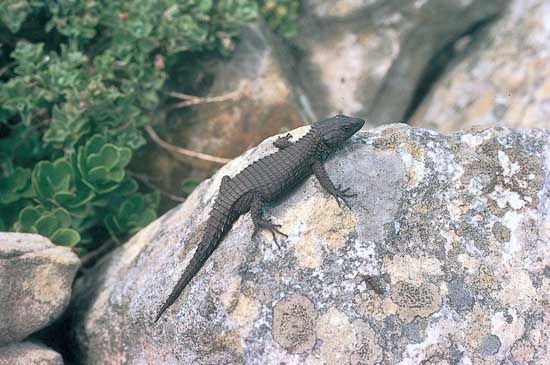
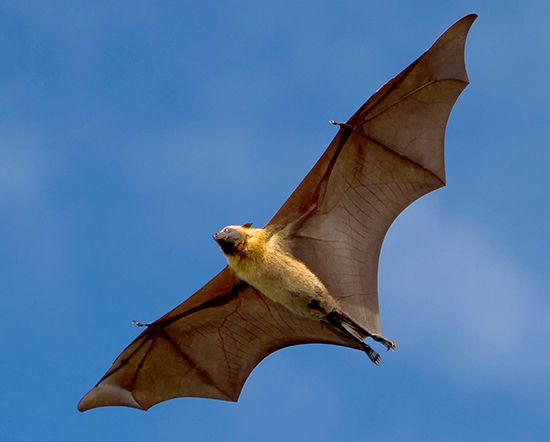
Ecologically, Malaita is consistent with the broader region’s profile: it is a mountainous, volcanic island characterized by dense forests. Like other islands in the group, its terrain is rugged, though it does not reach the extreme elevations found on Guadalcanal, which rises to 7,644 feet (2,330 meters). The fauna across the Solomon Islands is similarly limited, featuring a variety of lizards, bats, frogs, pigeons, and estuarine crocodiles. While some islands in the chain feature active volcanoes or geothermal activity, Malaita is primarily defined by its mountainous, forested landscape.21
How has Malaita’s history been influenced by colonialism and World War II?
Malaita’s history has been profoundly shaped by both colonialism and the aftermath of World War II.
Colonial Impact
In the mid-19th century, the demand for labor on sugar plantations in Fiji and Queensland led to the brutal recruitment of Malaitans, a practice known as blackbirding. This exploitation, alongside the need to regulate European settlement and prevent French annexation, prompted Britain to establish a protectorate in 1893. Colonial administration often prioritized European commercial interests over the welfare of the islanders, leading to severe repression. A notable example occurred in 1927, when a punitive expedition—supported by an Australian warship—burned villages and killed many members of the Kwaio people following the death of government tax collectors.145
Post-World War II Developments
Following World War II, a strong anti-European movement called “Marching Rule” emerged on Malaita, seeking to assert local control over affairs. This movement eventually led to a 1950s rapprochement with the government and the establishment of the island’s first organized local council.1
What is the geographical location and size of Malaita island?
Malaita is a volcanic island situated in the southwestern Pacific Ocean as part of the Solomon Islands nation. It is located approximately 30 miles (50 km) northeast of Guadalcanal, separated by the Indispensable Strait.1
Regarding its size and dimensions, the island measures about 115 miles (185 km) in length and reaches a maximum width of 22 miles (35 km). The terrain is mountainous and densely forested, with its highest point, Mount Ire (also known as Kolourat or Mount Kolovrat), rising to an elevation of 4,718 feet (1,438 meters) in the island’s center. At its southeastern end, Malaita is separated from the island of Maramasike by a narrow channel measuring only 1,300 feet (400 meters) wide.1
Are there any unique flora or fauna species found on Malaita?
The provided search results do not contain specific information regarding unique or endemic flora and fauna species found on the island of Malaita. While the results describe the general biodiversity of the Solomon Islands—noting the presence of various pigeons, rats, bats, snails, lizards, frogs, turtles, and the estuarine crocodile—they do not identify species unique to Malaita itself.12
Please note that the information provided in the search results regarding endemic species refers to the country of Malta, which is geographically and biologically distinct from the island of Malaita.8
Sources
- Malaita — Encyclopædia Britannica
- Solomon Islands - Land — Encyclopædia Britannica
- Tonga - Climate — Encyclopædia Britannica
- Solomon Islands - Establishment of colonial rule — Encyclopædia Britannica
- history of Solomon Islands - 2021 unrest in Solomon Islands — Encyclopædia Britannica
- history of Solomon Islands - Colonial activity in the Solomons — Encyclopædia Britannica
- Malaita — Merriam-Webster
- Malta - Plant and animal life — Encyclopædia Britannica
Published on · 2 min read