Mandrill
Mandrills (Mandrillus sphinx) are found in the wild within the rainforests of equatorial Africa. Their natural range extends from the Sanaga River in…
Where are mandrills found in the wild, and what is their natural habitat?
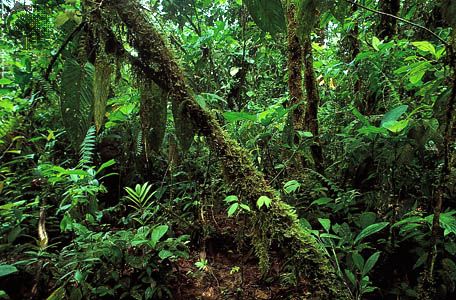
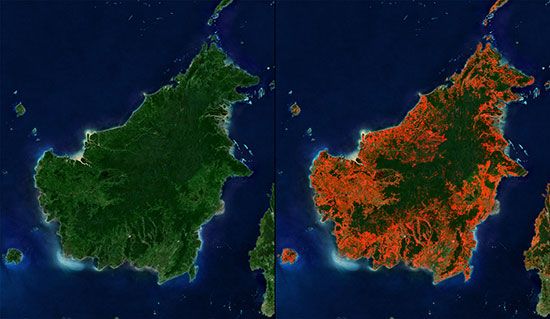
Mandrills (Mandrillus sphinx) are found in the wild within the rainforests of equatorial Africa. Their natural range extends from the Sanaga River in Cameroon southward to the Congo River.1
These primates are primarily ground-dwelling animals that thrive in dense forest environments. Unfortunately, their populations have faced significant declines due to habitat loss caused by deforestation and the pressures of hunting. While they are currently listed as a vulnerable species by the IUCN Red List of Threatened Species, they do receive protection in specific areas, such as Lopé National Park in Gabon.1
What are the distinctive physical characteristics of mandrills?
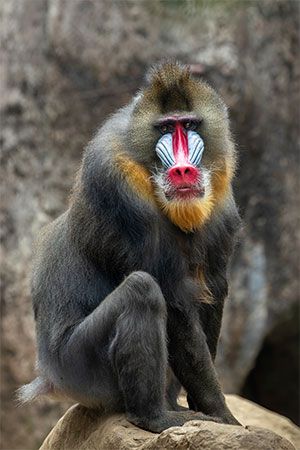
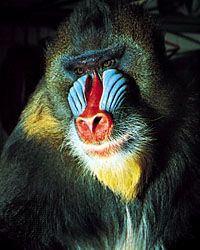
The mandrill (Mandrillus sphinx) is a stout-bodied monkey recognized as the largest of all Old World monkeys. They possess several distinctive physical features, including a short tail, prominent brow ridges, and small, close-set, sunken eyes.1
The species exhibits significant sexual dimorphism, meaning males and females differ greatly in appearance.12
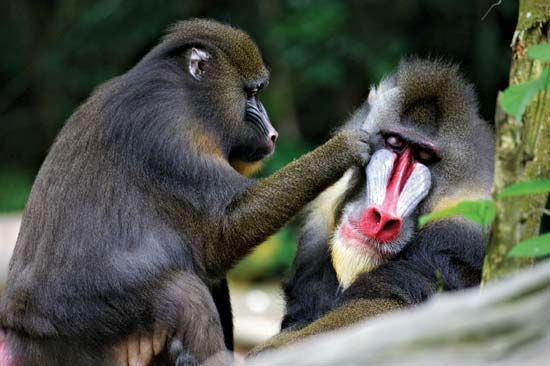
- Adult Males: These are highly colorful, featuring bare patches of skin on their faces and buttocks. Their cheeks are ribbed and range from bright blue to violet, with scarlet coloring along the bridge and tip of the nose. Their buttock pads are pink to crimson, shading to blue at the sides. They have olive-to-brown body fur, yellow neck fur and beards, and black-framed eyes. Males can reach lengths of about 90 cm (3 feet) and weigh up to 35 kg (77 pounds).1
- Females: Females are considerably smaller, averaging about 13 kg (29 pounds), and are much duller in color than the males.1
What do mandrills eat, and how do they forage for food?
Mandrills are omnivorous primates with a diverse diet that reflects their ground-dwelling lifestyle in the rainforests of equatorial Africa. Their food sources include a variety of items found on the forest floor and within their habitat, specifically:
- Plant matter: They consume fruit and roots.1
- Animal matter: Their diet also consists of insects, as well as small reptiles and amphibians.1
While the provided information does not detail specific foraging techniques, mandrills typically travel in social groups—ranging from a single male with several females and their young to massive aggregations of 100 or more individuals—which likely assists them in locating and exploiting food resources across their range.1
How are mandrills classified within the primate order, and what are their closest relatives?
Mandrills (Mandrillus sphinx) are classified within the primate order as members of the Old World monkey family, Cercopithecidae. Within this family, they belong to the subfamily Cercopithecinae, a group characterized by the presence of cheek pouches used for storing food.314
Regarding their closest relatives, mandrills were historically grouped with baboons in the genus Papio, but they are now placed in their own genus, Mandrillus. Their closest relative within this genus is the drill (Mandrillus leucophaeus). Furthermore, research indicates that mandrills and drills are related to certain species of mangabeys.31
Sources
- mandrill — Encyclopædia Britannica
- Sexual dimorphism — Encyclopædia Britannica
- monkey - Old World monkeys versus New World monkeys — Encyclopædia Britannica
- drill — Encyclopædia Britannica
Published on · 2 min read