Mesozoan
Mesozoans are small, multicellular animals that exist as parasites within various marine invertebrates. While the provided information details their life…
What impact do mesozoans have on their host organisms?
Mesozoans are small, multicellular animals that exist as parasites within various marine invertebrates. While the provided information details their life cycles and host distribution, it does not explicitly describe the specific physiological or pathological impact these organisms have on their hosts.1
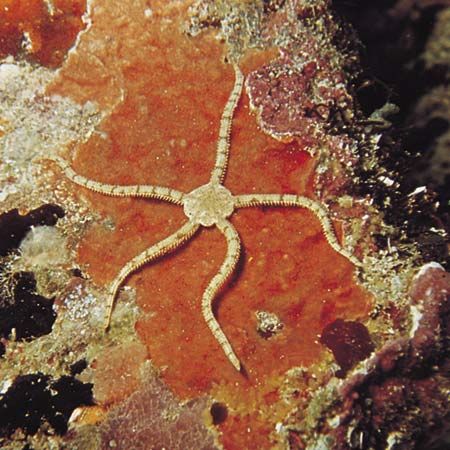
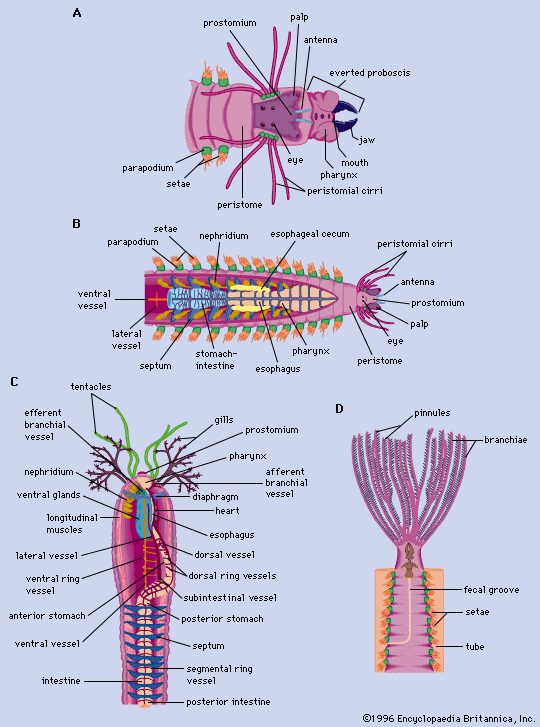
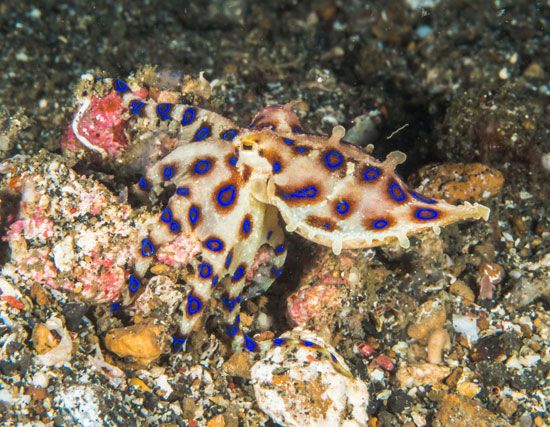
Rhombozoans, such as Pseudicyema, reside within the kidneys of cephalopods like squids and octopuses, often infecting entire populations of these bottom-dwelling creatures. Orthonectids, such as Rhopalura, infect a broader range of hosts, including brittle stars, bivalve mollusks, and polychaete annelids, though they typically affect only a small percentage of the host population in a given region. Because their bodies are extremely simple—lacking digestive, respiratory, nervous, and excretory systems—their exact influence on host health remains a subject of scientific study.1
In which marine habitats are mesozoans typically found?
Mesozoans, which include the phyla Rhombozoa and Orthonectida, are widely distributed throughout the world’s oceans wherever their appropriate hosts are present. They are characteristically found in shallow-bottom marine environments.1
These organisms are notably absent from open-sea (pelagic) environments and have not been identified in hosts residing near tropical coral islands. Within their preferred shallow-bottom habitats, they parasitize various marine invertebrates, such as squids, octopuses, brittle stars, bivalve mollusks, and polychaete annelids.1
What is the unique life cycle of mesozoans?
The life cycles of mesozoans are complex and differ significantly between the two phyla, Rhombozoa and Orthonectida.1
Orthonectid Life Cycle
Orthonectids undergo an alternation between asexual and sexual phases:
- Plasmodial Stage: Within the host, the parasite exists as a plasmodium that undergoes asexual reproduction to form agametes.1
- Sexual Phase: These agametes develop into sexual adults that exit the host to swim freely. After females are impregnated, they release fertilized eggs.1
- Infection: The eggs develop into ciliated larvae that infect new hosts, where they transform back into the plasmodial stage.1
Rhombozoan Life Cycle
Rhombozoans exhibit two distinct reproductive phases within their cephalopod hosts:
- Nematogen Phase: Axoblast cells (agametes) produce wormlike individuals identical to the parents, increasing the parasite population within the host’s kidney.1
- Rhombogen Phase: Some axoblasts differentiate into infusorigens—reduced, hermaphroditic individuals that produce sperm and eggs internally.1
- Larval Stage: After fertilization, zygotes develop into ciliated infusoriform larvae that exit the host. The mechanism by which these larvae infect new hosts remains unknown.1
What types of organisms do mesozoans typically parasitize?
Mesozoans are small, multicellular parasites that exclusively infect other marine invertebrates. They are categorized into two distinct phyla, each with specific host preferences:
- Rhombozoa: These organisms are typically found as parasites within the kidneys of cephalopods, such as squids and octopuses.1
- Orthonectida: These parasites infect a broader range of marine invertebrates, including brittle stars, bivalve mollusks, and polychaete annelids.14
While rhombozoans can infect entire populations of their bottom-dwelling cephalopod hosts, orthonectids generally infect only a small percentage of their host populations in a given region.1
Sources
- mesozoan — Encyclopædia Britannica
- cephalopod - Ecology — Encyclopædia Britannica
- Marine ecosystem - Geography, oceanography, and topography — Encyclopædia Britannica
- orthonectid — Encyclopædia Britannica
- flatworm - Ecology — Encyclopædia Britannica
- annelid - Behaviour and associations. — Encyclopædia Britannica
Published on · 2 min read