Moonseed
Moonseed refers to any of three species of woody vines that make up the genus Menispermum within the family Menispermaceae. These plants are found in East…
What is moonseed?
Moonseed refers to any of three species of woody vines that make up the genus Menispermum within the family Menispermaceae. These plants are found in East Asia, Mexico, and eastern North America.1
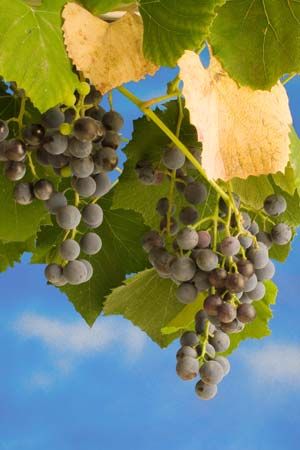
The most well-known species is the Canada moonseed (M. canadense), which is characterized by its lobed leaves, greenish-white flowers, and black, grapelike fruit containing distinctive crescent-shaped seeds.123
It is important to note that these plants are toxic. The seeds of all Menispermum species can cause curare-like poisoning. Because of this danger, it is essential to exercise caution and avoid ingestion of these plants.1
Why are moonseed berries often mistaken for wild grapes?
Moonseed berries are frequently mistaken for wild grapes because they share a similar physical appearance, specifically their dark, blackish color and their tendency to grow in clusters that resemble the fruit of the grapevine.1
However, it is vital to distinguish between them for safety reasons. While grapes are a common food source, moonseed berries contain toxic, crescent-shaped seeds that can cause curare-like poisoning if ingested. Because of this significant health risk, one must always exercise extreme caution when foraging, as the superficial resemblance between these plants can lead to dangerous errors.1
What is curare and how does it affect the body?
Curare is a potent alkaloid substance derived from various tropical South American plants, most notably species within the Menispermaceae and Loganiaceae families. Historically used by Indigenous peoples as an arrow poison for hunting, it is now utilized in modern medicine as a skeletal muscle relaxant.45
How It Affects the Body
Curare functions as a neuromuscular blocking agent. It works by competing with the neurotransmitter acetylcholine at the neuromuscular junction, which is the site where nerves communicate with muscle cells.4
- Mechanism: By blocking acetylcholine, curare prevents nerve impulses from triggering muscle contractions.4
- Progression: The resulting relaxation typically begins in the small muscles of the eyes, ears, and toes, then moves to the neck and limbs, and finally affects the muscles required for respiration.4
- Fatal Effects: In high doses, the drug causes respiratory paralysis, which leads to death.4
In clinical settings, these effects are carefully managed to facilitate surgery and intubation, and they can be reversed using specific agents.4
What are some other common poisonous plants found in North America?
North America is home to a variety of poisonous plants that can cause harm through ingestion or physical contact. It is essential to exercise caution when encountering wild vegetation, as many toxic species resemble edible plants.
Plants Poisonous to Eat
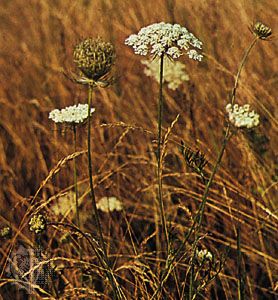
- Water hemlock: Often considered the most violently toxic plant in North America, it resembles Queen Anne’s lace and can be mistaken for edible parsnips or celery. Ingestion of its roots, which contain the toxin cicutoxin, can cause fatal convulsions and abdominal distress.67
- Deadly nightshade: Known for its shiny black berries, this plant contains alkaloids like atropine that cause paralysis of involuntary muscles. Its sweet fruit often lures children and adults into accidental consumption.67
- Castor bean: While used to produce castor oil, the raw seeds contain the deadly protein ricin. Ingesting even a small number of seeds can be fatal.67
- White snakeroot: This herb contains a toxic alcohol called trematol. It is particularly dangerous because the toxin can be passed to humans through the milk or meat of livestock that have grazed on the plant.7
Plants Poisonous by Contact
- Poison ivy, Poison sumac, and Poison oak: These plants contain urushiol, an oil that causes severe, itchy contact dermatitis. Urushiol can persist on clothing and tools long after contact.89
- Giant hogweed: Its sap contains furocoumarins, which cause phytophotodermatitis—a condition where the skin blisters severely upon exposure to sunlight. Contact with the eyes can lead to blindness.9
- Stinging nettle: This plant is covered in hairs tipped with formic acid, which inject irritants into the skin upon contact, causing a burning, tingling rash.9
We could dive deeper into the specific chemical mechanisms that make these plants so dangerous to human health.
Sources
- moonseed — Encyclopædia Britannica
- moonseed — Merriam-Webster
- Canada moonseed — Merriam-Webster
- curare — Encyclopædia Britannica
- curare — Merriam-Webster
- poison - Plant poisons (phytotoxins) — Encyclopædia Britannica
- poison sumac — Encyclopædia Britannica
- 7 of the World’s Deadliest Plants — Encyclopædia Britannica
- 7 Dangerous Plants You Should Never Touch — Encyclopædia Britannica
Published on · 3 min read