Mustelid
The provided search results do not contain comprehensive information regarding the broad historical or cultural portrayal of mustelids. However, they do…
How have mustelids been portrayed in human culture and history?
The provided search results do not contain comprehensive information regarding the broad historical or cultural portrayal of mustelids. However, they do highlight specific ways these animals have influenced human language and industry.
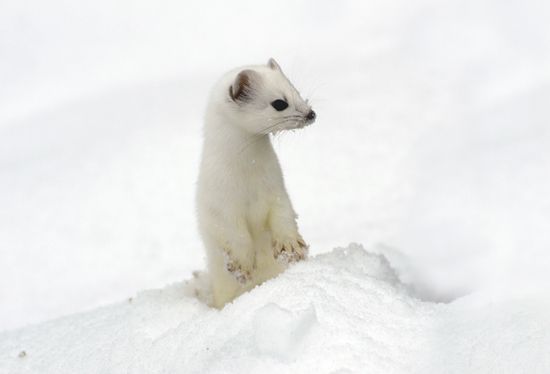
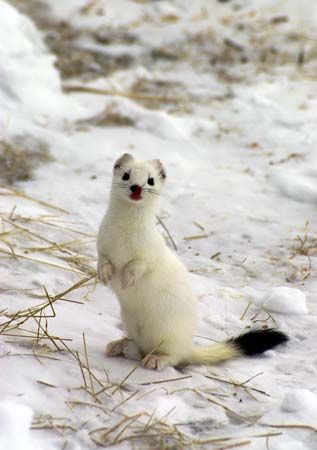
Mustelids, which include weasels, ferrets, and otters, have long been valued for their fur. The pelts of certain species, particularly the ermine, have been highly prized in the fur trade, and the hair from the tails of some weasels is used to manufacture high-quality artists’ paintbrushes2.
In human language, the behavior of these animals has inspired specific verbs. For example, because ferrets were historically used to flush out burrowing animals, the term “ferret out” has evolved to mean searching for and bringing something to light. Conversely, weasels are often characterized as aggressive predators that raid chicken coops, a reputation that has shaped their perception as troublesome pests in agricultural settings.12
How have mustelids evolved over time, and what are their closest relatives?
Mustelids, members of the family Mustelidae, evolved from North American and Eurasian ancestors during the early Oligocene Epoch, approximately 30 million years ago. Over time, they have diverged into a diverse group of carnivores, with the family currently containing 62 species across 23 genera and 8 subfamilies.4
Regarding their evolutionary relationships, mustelids are classified within the superfamily Canoidea, a grouping that also includes Canidae (dogs), Ursidae (bears), and Procyonidae (raccoons). Within this superfamily, these families are considered to be the most closely related. While mustelids are distinct, some of their more primitive members exhibit physical resemblances to both canids and primitive viverrids (civets).5
Additionally, recent genetic analyses have clarified that skunks, which were historically grouped with mustelids, actually belong to their own separate family, Mephitidae, having diverged as an offshoot from the mustelid line.45
Which animals are included in the mustelid family, and what are some well-known examples?
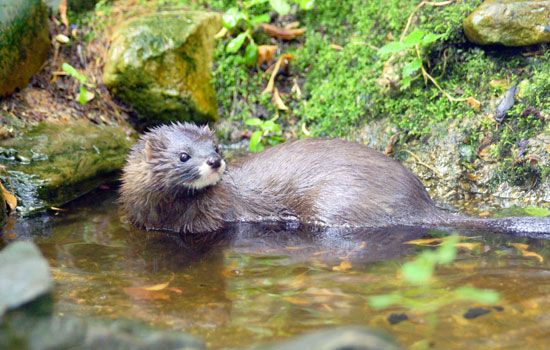
The family Mustelidae comprises approximately 62 species of fur-bearing carnivores found globally, excluding Australia, Antarctica, and most oceanic islands. While skunks were historically classified as mustelids, genetic evidence now places them in their own separate family, Mephitidae.14
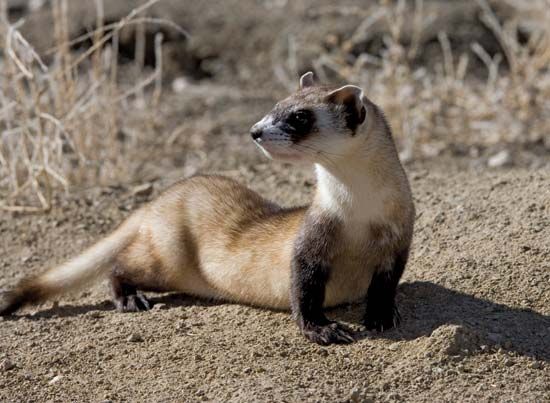
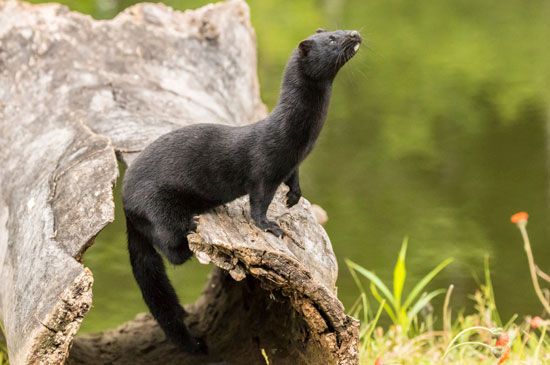
Mustelids are generally characterized by long, tube-shaped bodies, short legs, and well-developed anal scent glands. The family is divided into eight subfamilies, including otters, badgers, and the weasel subfamily.41
Well-known examples include:
- Weasels and relatives: Ferrets, mink, ermine, and polecats.14
- Otters: Including the sea otter and various freshwater river otters.14
- Badgers: Such as the American badger and the Eurasian badger.14
- Others: The wolverine, martens, fisher, and the honey badger.14
What are the main characteristics that define mustelids as a family?
Members of the family Mustelidae are defined by several distinct physical and biological characteristics that distinguish them as a group of fur-bearing carnivores:
- Body Morphology: Many mustelids possess a characteristic long, tube-shaped body, short legs, and a strong, thick neck supporting a small head. This tubular shape is associated with a high metabolism, as it does not retain heat as efficiently as a stockier build, driving these animals to be highly active and inquisitive in their constant search for prey.4
- Anatomical Features: All mustelids possess well-developed anal scent glands. Additionally, they have feet with five digits, each equipped with sharp, nonretractile claws.4
- Dentition: Their teeth are specialized for a carnivorous diet, featuring strong canine teeth along with sharp molars and premolars.4
- Sexual Dimorphism: In most species, males are significantly larger than females; in some weasel species, males can be nearly twice the size of their female counterparts.4
- Reproductive Strategy: Many species exhibit delayed implantation of the fertilized egg. Most are solitary, and females typically raise their young alone.4
Sources
- List of mustelids — Encyclopædia Britannica
- weasel — Encyclopædia Britannica
- 'Weasel,' 'Parrot,' and Other Animal Names That Are Verbs | Ferret — Merriam-Webster
- mustelid — Encyclopædia Britannica
- carnivore - Critical appraisal — Encyclopædia Britannica
- mustelid — Merriam-Webster
- anal sac — Merriam-Webster
- skunk - Scent — Encyclopædia Britannica
Published on · 3 min read