Nassau Island
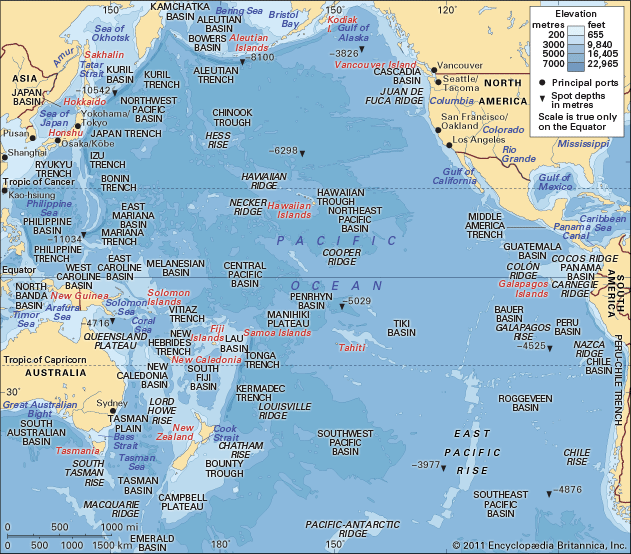
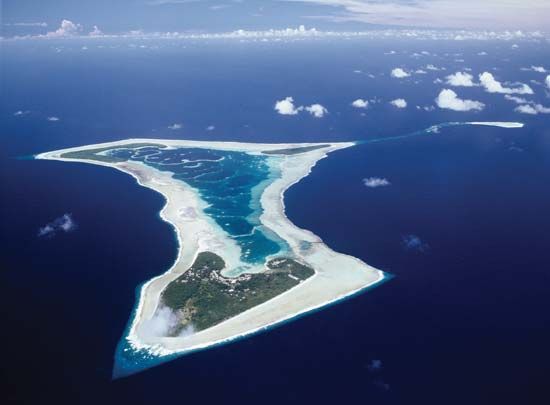
Nassau Island is a small, oval-shaped coral formation located in the northern Cook Islands in the South Pacific Ocean. Unlike other islands in the northern…
What is Nassau Island?
Nassau Island is a small, oval-shaped coral formation located in the northern Cook Islands in the South Pacific Ocean. Unlike other islands in the northern group, it is not an atoll and features sand dunes reaching 35 feet (11 metres) in height.1
The island was likely first sighted by Europeans in 1803 and was named in 1835 after an American whaling ship. Historically associated with Pukapuka Atoll, which currently administers it, the island was annexed by Britain in 1892. Today, it has a small population that relies on solar power and engages in fishing and the cultivation of taro, coconut, and fruits for export.1
It is important not to confuse this island with the city of Nassau, which is the capital of The Bahamas and is located on New Providence Island.234
What is the difference between an atoll and other types of islands?
An atoll is a specific type of coral reef that forms a closed or circular shape, enclosing a central lagoon without a central landmass. In contrast, other types of islands are defined by their geological origins and composition.56
Key Differences in Formation
- Atolls: According to the subsidence theory popularized by Charles Darwin, atolls represent the final stage of reef development. They typically form when a volcanic island sinks or sea levels rise, leaving behind a ring of coral that continues to grow upward toward the surface.57
- Volcanic Islands: Many oceanic islands are formed directly by volcanic action. Unlike atolls, which are primarily composed of calcium carbonate skeletons from marine organisms, these islands are built from volcanic rock and often rise from the ocean floor independently of reef structures.86
- Continental Islands: These are landmasses that are physically connected to or are extensions of continental shelves, such as the British Isles or Greenland. They are not formed by coral growth or isolated volcanic activity.8
Coral Reef Variations
While atolls are distinct, they belong to a broader category of coral islands. Other reef-associated structures include:
- Fringing Reefs: These grow directly along the coastline of a non-reef island or mainland mass.6
- Barrier Reefs: These are separated from a landmass by a lagoon or channel.6
- Patch Reefs: These are irregular, table-like, or pinnacle-shaped reefs that can occur within atoll lagoons or as isolated developments.6
How did the Cook Islands become associated with New Zealand?
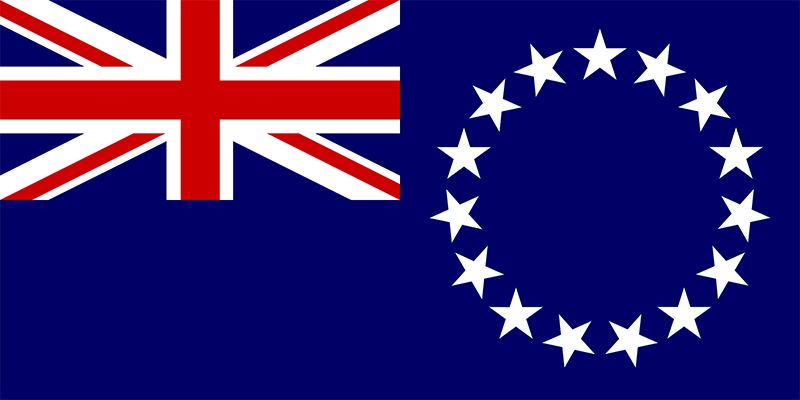
The association between the Cook Islands and New Zealand began in the late 19th century. Initially, the islands were a protectorate of the United Kingdom, established in 1888 to prevent potential French influence in the region.10
New Zealand expressed a strong interest in annexing the islands, but the British government required that any such request originate from the Cook Islands themselves. Following persuasion from New Zealand, the chiefs of the largest islands petitioned for annexation, which was formally carried out in 1901.1011
For decades, the islands were administered under New Zealand’s authority. This relationship evolved significantly in 1965, when the Cook Islands moved to a status of self-government in free association with New Zealand. Under this current arrangement, the Cook Islands maintain control over their internal affairs, while New Zealand remains nominally responsible for defense and external affairs, though the islands independently manage their own diplomatic relations and international treaties.101213
What is the history of piracy in the Bahamas?
The history of piracy in the Bahamas is defined by the islands’ strategic location, which made them an ideal haven for outlaws during the 17th and early 18th centuries. As the British proprietors of the islands took little interest in governance, the region became a base for pirates who preyed upon Spanish shipping, leading to frequent retaliatory raids.1415
By the early 1700s, Nassau on New Providence Island had become a notorious headquarters for more than 2,000 pirates. Because piracy was often more lucrative than legitimate trade or military service, settlers frequently resisted attempts by governors to enforce law and order.161517
The era of lawlessness effectively ended in 1718 with the arrival of Woodes Rogers, the first royal governor. Armed with a mandate to suppress piracy, Rogers offered the king’s pardon to those who surrendered and executed those who refused. His success in establishing an orderly government allowed the colony to adopt the motto Expulsis piratis restituta commercia—“Pirates repulsed, commerce restored”.1615
Sources
- Nassau Island — Encyclopædia Britannica
- New Providence Island — Encyclopædia Britannica
- Nassau — Encyclopædia Britannica
- Nassau — Merriam-Webster
- atoll — Merriam-Webster
- atoll — Encyclopædia Britannica
- Atlantic Ocean - Islands of the Atlantic Ocean — Encyclopædia Britannica
- coral island — Encyclopædia Britannica
- coral reef - Origin and development of reefs — Encyclopædia Britannica
- Cook Islands - History of the Cook Islands — Encyclopædia Britannica
- Cook Islands - Constitutional framework — Encyclopædia Britannica
- Cook Islands — Encyclopædia Britannica
- flag of Cook Islands — Encyclopædia Britannica
- Woodes Rogers — Encyclopædia Britannica
- The Bahamas - British colonization — Encyclopædia Britannica
- The Bahamas — Encyclopædia Britannica
- Pirates, Privateers, Corsairs, Buccaneers: What’s the Difference? — Encyclopædia Britannica
Published on · 3 min read