Pechora River
The Pechora River is a major waterway in Russia spanning 1,124 miles (1,809 km). It originates in the northern Ural Mountains near Mount Koyp and flows…
What is Pechora River?
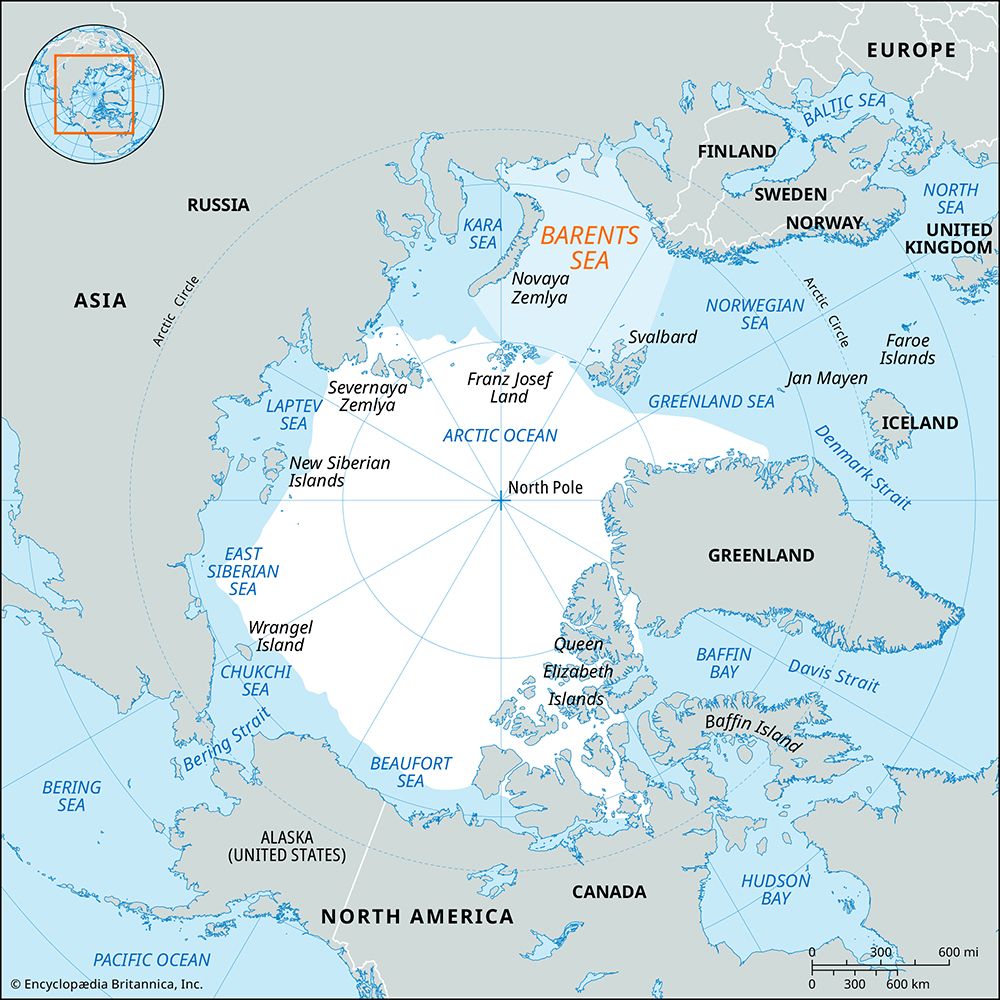
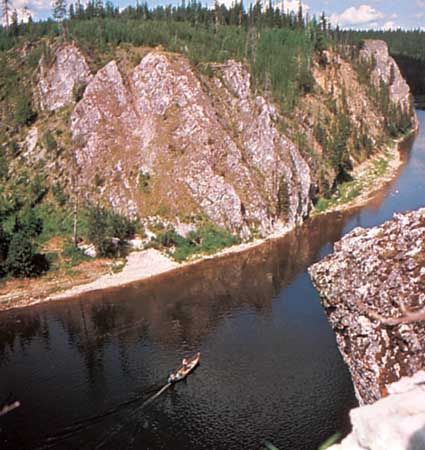
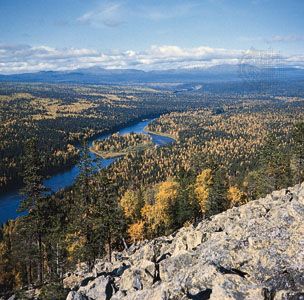
The Pechora River is a major waterway in Russia spanning 1,124 miles (1,809 km). It originates in the northern Ural Mountains near Mount Koyp and flows through a narrow, deep valley before traversing a level basin to reach the Barents Sea via a delta.1
Draining an area of 124,500 square miles (322,000 square km), the river serves as a significant drainage system for the western slopes of the Polar, Nether-Polar, and Northern Urals. Its primary tributaries include the Ilych, Shchugor, and Usa rivers. The basin is economically notable for its large deposits of coal, petroleum, and natural gas.12
The river remains frozen from early November to early May, which limits navigation. When accessible, it is navigable as far as Ust-Unya and supports significant timber rafting. The port of Naryan-Mar, located on the river, serves as an important hub for timber exports.13
What are the main tributaries of the Pechora River?
The Pechora River is a significant waterway in Russia that drains the western slopes of the Polar, Nether-Polar, and Northern Ural Mountains. Its primary tributaries are:1
These rivers contribute to the drainage of the Pechora basin, which covers approximately 124,500 square miles (322,000 square km) before the main river empties into the Barents Sea.21
How do the Ural Mountains influence the river’s path?
The Ural Mountains play a fundamental role in shaping the path and characteristics of the Pechora River. Rising near Mount Koyp in the northern Urals, the river initially flows south through a narrow, deep valley carved by the mountainous terrain.1
The topography of the Urals dictates the river’s drainage patterns; the Pechora specifically drains the western slopes of the Polar, Nether-Polar, and Northern sections of the range. As the river moves away from the high-altitude, alpine environments of the northern sections—which are marked by glaciers and permafrost—it transitions from its initial southward course to flow west and north across an extensive, level basin before reaching the Barents Sea.215
Furthermore, the geological composition of the mountains, including weather-resistant rocks like quartzite and schist, influences the formation of river valleys, while the western slopes specifically exhibit well-developed karst topography, contributing to the river’s unique hydrological environment.5
What kind of wildlife lives in the Pechora River basin?
The Pechora River basin, particularly within the Pechoro-Ilych Nature Reserve, supports a diverse range of wildlife adapted to its forest and tundra environments.
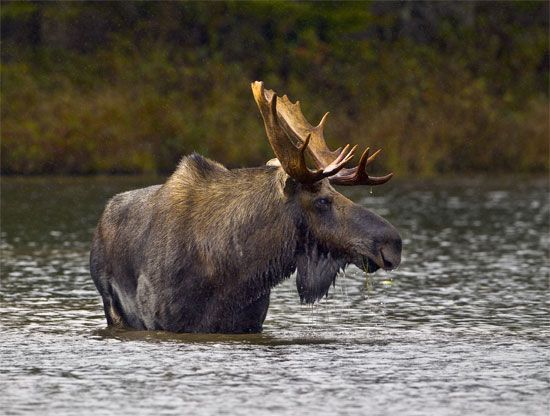
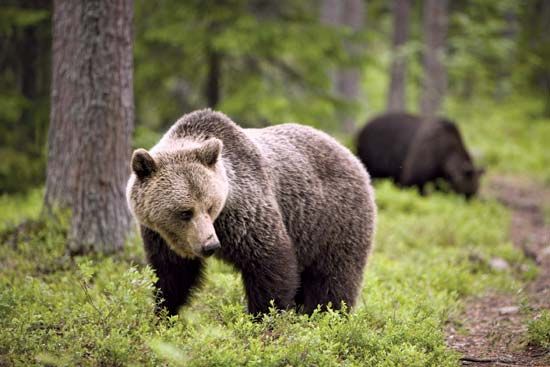
The region is home to various mammals, including:
Additionally, the beaver, which was extirpated from the area in the early 19th century, has been successfully reintroduced. The basin also hosts a variety of bird species, such as the grouse, woodpecker, and nutcracker. Beyond terrestrial animals, the river system serves as a vital habitat for salmon, with the reserve specifically protecting important spawning grounds.89
We could dive deeper into the conservation efforts used to protect these species or explore the unique vegetation zones of the Pechora basin.
Sources
- Pechora River — Encyclopædia Britannica
- Ural Mountains - Drainage — Encyclopædia Britannica
- Pechora Sea — Encyclopædia Britannica
- Pechora — Merriam-Webster
- Ural River — Encyclopædia Britannica
- Ural Mountains — Encyclopædia Britannica
- Ural Mountains - Physiography — Encyclopædia Britannica
- Pechoro-Ilych Nature Reserve — Encyclopædia Britannica
- Pechoro-Ilych Nature Reserve: Top Questions — Encyclopædia Britannica
Published on · 2 min read