Phytotherapy
Phytotherapy is a science-based medical practice that utilizes plant-derived medications to treat and prevent disease. Unlike traditional herbalism, which…
How is phytotherapy integrated with modern medical practices?
Phytotherapy is a science-based medical practice that utilizes plant-derived medications to treat and prevent disease. Unlike traditional herbalism, which often relies on empirical knowledge, phytotherapy is grounded in evidence-based medicine and supported by pharmacological studies and clinical trials.1
Integration into modern healthcare varies globally:
- Clinical Use: In some nations, phytotherapeutic products are licensed as formal medicines and may be integrated into health insurance coverage, such as in Japan and South Korea.1
- Standardization: To ensure safety and efficacy, phytotherapeutic extracts are often standardized to contain specific, characterized active compounds, allowing for reproducible pharmacological effects.1
- Regulatory Challenges: In many regions, including the United States, these products are frequently classified as dietary supplements rather than drugs, which can lead to confusion regarding their safety, quality, and intended use.12
It is ethically imperative for patients to approach these products with caution, as “natural” does not guarantee safety, and interactions with conventional pharmaceuticals can occur.32
What role does phytotherapy play in different cultures and traditional medicine systems around the world?
Phytotherapy, as a science-based medical practice, is distinct from traditional herbalism, which relies on empirical knowledge and cultural philosophy. However, the role of plant-based medicine varies significantly across global cultures and traditional systems:4
- Traditional Chinese Medicine (TCM): TCM utilizes herbal formulas to adjust the body’s “energy vibration” and support organ function. Unlike Western medicine, which often prescribes individual medications for specific effects, TCM formulas combine herbs to achieve harmony, with each part of a plant identified for a specific healing purpose.5
- Ayurveda: Originating in India, this well-organized system integrates herbal preparations with diet, Yoga, and physiotherapy. It serves as a major force for primary healthcare, particularly in rural areas, and is supported by government-established standards for education and practice.1
- Indigenous North American Traditions: Certain Native American cultures revere the “four sacred medicines”—tobacco, cedar, sage, and sweetgrass—for their spiritual, ceremonial, and medicinal properties. These plants are used for purposes ranging from smudging and prayer to treating physical ailments like coughs, infections, and external injuries.6
- Integration and Regulation: While countries like Japan and South Korea integrate proven phytotherapeutic products into health insurance systems, others, such as China, India, and Nepal, provide broad coverage for herbal medicines under traditional service frameworks. In contrast, many Western nations often classify these products as dietary supplements, leading to a complex regulatory landscape.4
What are some common plants or herbs used in phytotherapy and their medicinal properties?
Phytotherapy utilizes plant-derived medications that have been evaluated through scientific study and clinical trials. Several plants are commonly used in this practice for their specific medicinal properties:
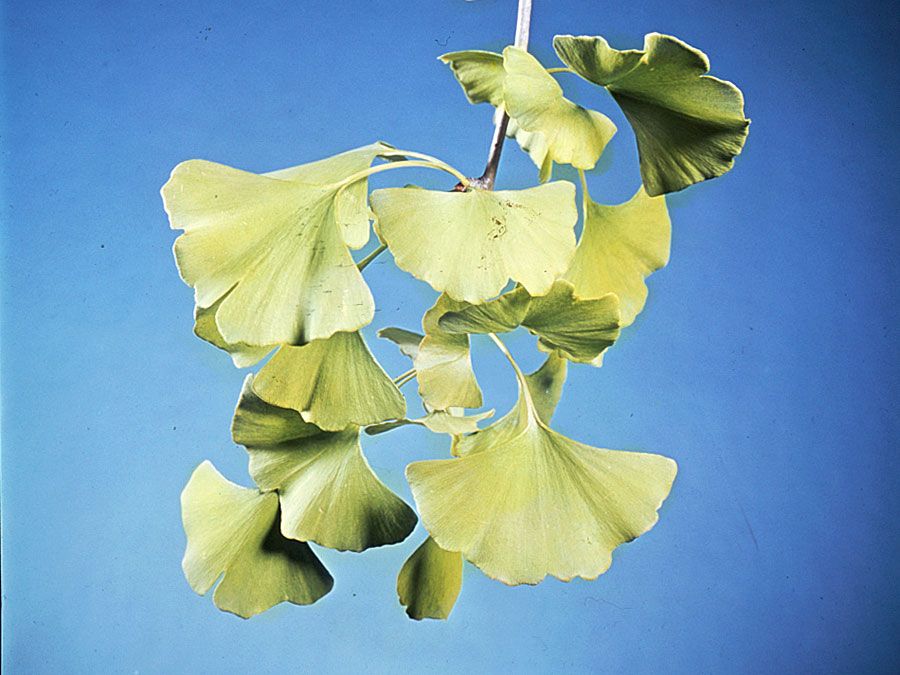
- Ginkgo (Ginkgo biloba): Extracts from the leaves are used to treat minor cognitive disorders and various conditions affecting the central nervous system. It has also been investigated for its potential role in addressing circulatory disorders and memory enhancement.18
- St. John’s wort (Hypericum perforatum): The aerial parts of this plant are typically used to treat mild to moderate forms of depression. In professional phytotherapy, these preparations are often standardized to contain specific amounts of active compounds like hypericin and hyperforin to ensure a reproducible effect.19
- Echinacea (Echinacea angustifolia): The roots and aerial parts are used in the treatment and prevention of the common cold and other respiratory conditions.1
- African devil’s claw (Harpagophytum procumbens): The root of this plant is utilized for the treatment of chronic lower back pain.1
How does the regulation of phytotherapy products differ from that of conventional pharmaceuticals?
The regulation of phytotherapy products differs significantly from that of conventional pharmaceuticals, primarily due to variations in legal frameworks and classification.
Regulatory Distinctions
- Classification: Conventional pharmaceuticals undergo rigorous, standardized approval processes to verify safety and efficacy before reaching the market. In contrast, phytotherapy products are often classified as dietary supplements in countries like the United States. As such, they are not evaluated for safety or efficacy by the Food and Drug Administration prior to market release.13
- Evidence Requirements: Conventional drugs must progress through a well-defined sequence of clinical trials (Phases 1–3) to demonstrate therapeutic benefit. While some phytotherapeutic preparations are supported by scientific studies, many others are treated as traditional or alternative remedies, where regulatory requirements for clinical evidence are less stringent or nonexistent.110
- Quality Assurance: Conventional pharmaceuticals are subject to strict manufacturing standards. For phytotherapy, standardization—the requirement to maintain a minimum amount of active compounds—is often limited to specific extracts where constituents are fully characterized. This contrasts with the highly regulated, reproducible nature of conventional drug production.1
Sources
- phytotherapy — Encyclopædia Britannica
- nutritional disease - Botanicals and functional foods — Encyclopædia Britannica
- dietary supplement — Encyclopædia Britannica
- traditional Chinese medicine - Herbal therapy — Encyclopædia Britannica
- four sacred medicines — Encyclopædia Britannica
- pharmaceutical industry - Medicines of ancient civilizations — Encyclopædia Britannica
- Ayurveda — Encyclopædia Britannica
- Saint-John’s-wort — Encyclopædia Britannica
- ginkgophyte — Encyclopædia Britannica
- clinical trial — Encyclopædia Britannica
Published on · 3 min read