Sage
Sage refers to aromatic plants within the genus Salvia, a diverse group of about 960 species in the mint family.
What are the main characteristics and varieties of sage plants?
Sage refers to aromatic plants within the genus Salvia, a diverse group of about 960 species in the mint family.
Characteristics
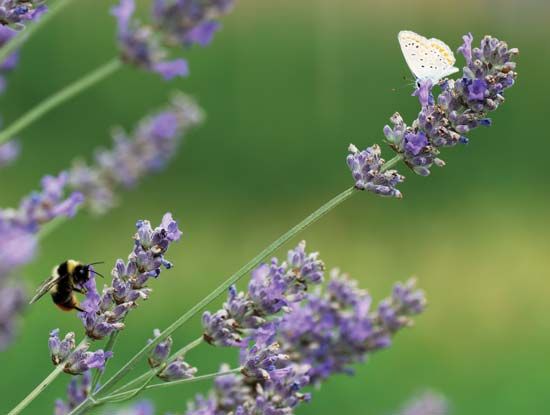
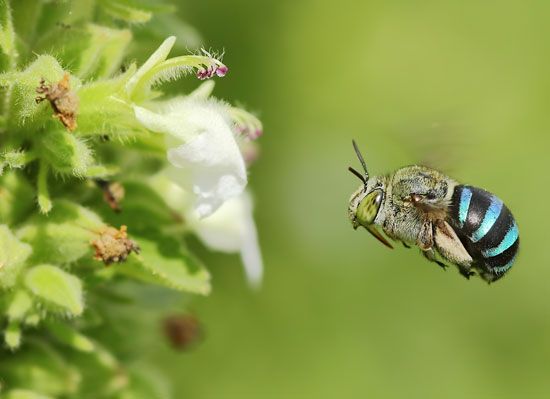
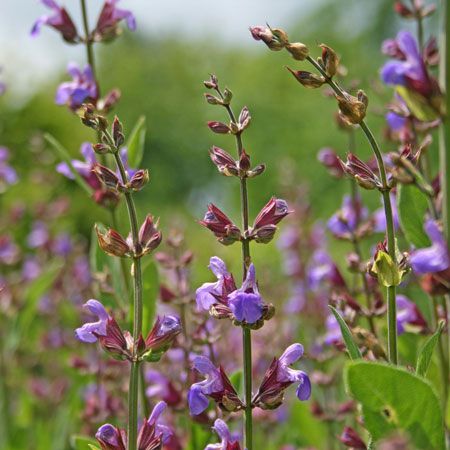
Most Salvia species are perennial herbs or shrubs with square stems and oppositely arranged leaves. Their flowers are typically tubular with two lips, often attracting pollinators like bees, butterflies, and hummingbirds.12
Varieties
The genus includes a wide range of species used for culinary, ornamental, and other purposes:
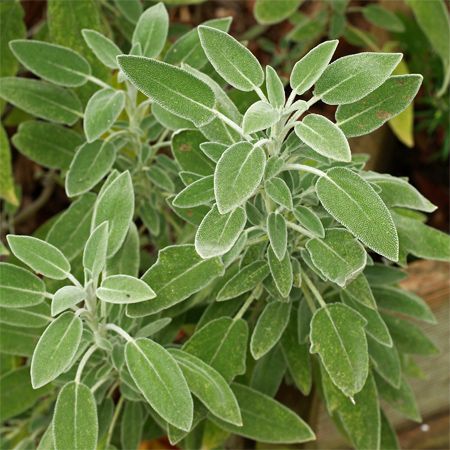
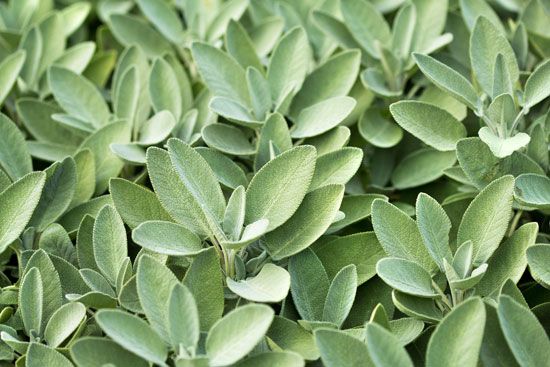
- Common Sage (S. officinalis): A woody perennial known for its pungent, gray-green leaves used as a culinary herb.12
- Rosemary (S. rosmarinus): A fragrant herb with narrow leaves and small blue flowers.2
- Clary Sage (S. sclarea): A tall biennial with large, hairy, heart-shaped leaves.2
- Scarlet Sage (S. splendens): A popular garden annual featuring vibrant red flower spikes.2
- Diviner’s Sage (S. divinorum): A hallucinogenic plant native to Mexico containing the active compound salvinorin A.2
- Chia (S. hispanica): Cultivated commercially for its edible seeds.2
How has sage been used historically in culinary and medicinal practices?
Historically, sage (Salvia officinalis) has been valued for both its culinary versatility and its perceived medicinal properties. The name Salvia is derived from the Latin salvus, meaning “healthy,” reflecting its long-standing reputation as a medicinal herb.1
Culinary Uses
Native to the Mediterranean, sage is widely used fresh or dried as a flavoring agent. Its pungent, aromatic leaves are a staple in cooking, particularly for seasoning poultry, pork, and various sausages.3
Medicinal and Traditional Practices
- European Traditions: For centuries, sage tea has been consumed as a tonic due to its slightly stimulating properties. In medieval Europe, it was believed that the herb could strengthen memory and promote wisdom.3
- Native American Traditions: Sage is recognized as one of the four sacred medicines. It is frequently used in smudging ceremonies to clear the mind, provide comfort, and assist in decision-making. Medicinally, it has been prepared as a poultice for external injuries and brewed into tea to help relieve coughs.4
What is the scientific name of sage, and to which plant family does it belong?
The scientific name for common sage is Salvia officinalis. It belongs to the Lamiaceae family, which is commonly known as the mint family.52
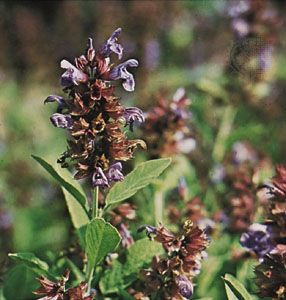
While S. officinalis is the most well-known culinary variety, the term “sage” is used to describe many of the approximately 960 species within the genus Salvia. These plants are characterized by their aromatic, often square-stemmed growth and tubular, two-lipped flowers.52
What role do pollinators like hummingbirds play in the life cycle of Salvia plants?
Pollinators like hummingbirds play a vital role in the life cycle of many Salvia species by facilitating pollination, which is essential for sexual reproduction and the production of seeds.62
While the majority of the approximately 960 species in the genus Salvia are pollinated by insects, certain species have evolved specific adaptations to attract birds. These “bird-loving” or ornithophilous flowers typically exhibit traits that cater to the sensory and physical needs of hummingbirds:67
- Visual Cues: Hummingbirds rely on powerful vision and have a high sensitivity to the red part of the light spectrum. Consequently, many bird-pollinated Salvia flowers are brightly colored, often in shades of red, to attract these visitors.78
- Floral Structure: Unlike flowers adapted for bees, which often provide a landing platform, bird-pollinated flowers are frequently sturdily constructed with a wide floral tube to accommodate a bird’s probing bill.7
- Nectar Rewards: Because birds have a high metabolic rate, they require significant energy. Salvia species adapted for bird pollination produce copious amounts of nectar to incentivize repeated visits.78
- Pollen Transfer: The flowers are designed so that the stamens touch the bird’s head or breast as it feeds, ensuring that pollen is efficiently picked up and transferred to the next flower, thereby enabling fertilization.7
Sources
- sage — Encyclopædia Britannica
- Salvia — Encyclopædia Britannica
- sage — Merriam-Webster
- four sacred medicines: Top Questions — Encyclopædia Britannica
- Lamiales - Main families — Encyclopædia Britannica
- Pollination - Birds — Encyclopædia Britannica
- Asparagales - Pollination — Encyclopædia Britannica
- Major types of pollinators — Encyclopædia Britannica
- Angiosperm - Pollination — Encyclopædia Britannica
Published on · 3 min read