Aloe Vera
Aloe vera (Aloe vera) is a perennial succulent plant recognized for its medicinal and cosmetic properties. Native to the Al-Ḥajar mountains of Oman, it is…
What is Aloe vera?
Aloe vera (Aloe vera) is a perennial succulent plant recognized for its medicinal and cosmetic properties. Native to the Al-Ḥajar mountains of Oman, it is now cultivated globally as an ornamental and commercial crop.1
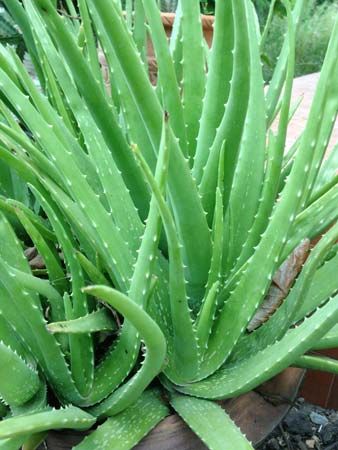
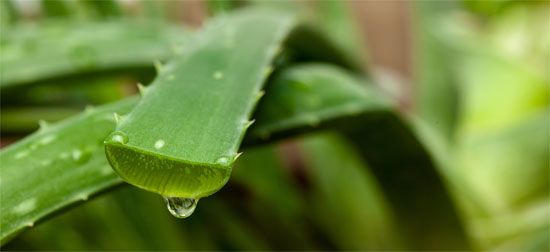
Physically, the plant features a short stem and a rosette of long, fleshy, pale green leaves with sharp, toothed margins. It produces yellow, tubular flowers on tall stalks. The plant is highly adapted to drought, storing water in its leaves, and requires well-draining soil to avoid rot.12
The plant’s gelatinous inner leaf tissue is widely used to soothe sunburns and treat skin conditions like psoriasis and acne. While some ingest the gel for various ailments, research on its effectiveness is limited. Notably, the plant also contains a bitter yellow latex known as aloin, which acts as a powerful laxative but can cause adverse health effects if misused.1
What makes a plant a succulent?
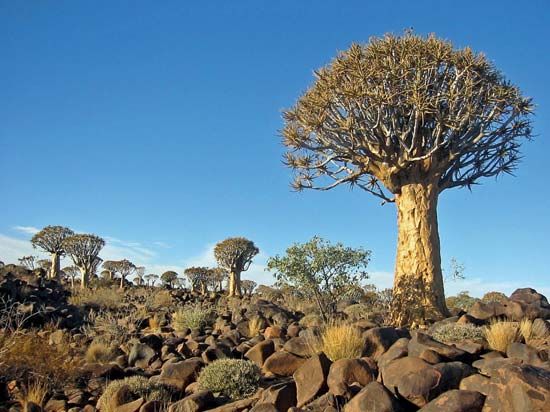
A succulent is defined by its ability to store water in thick, fleshy tissues, an adaptation that allows these plants to thrive in arid environments or regions with semiarid seasons. Depending on the species, this water storage occurs primarily in the stem—as seen in cacti—or in the leaves, as observed in agaves and Aloe.34
Key characteristics of succulents include:
- Water Storage: They possess specialized fleshy bodies and typically feature deep or broad root systems to maximize moisture collection.34
- Metabolic Adaptations: Many succulents utilize crassulacean acid metabolism. By keeping their stomata closed during the hot day and opening them only at night, they minimize water loss through transpiration while still absorbing carbon dioxide.3
- Diversity: Succulent traits have evolved independently across more than 60 plant families, including Aizoaceae, Cactaceae, and Crassulaceae.3
How do plants like Aloe vera adapt to survive in dry, desert environments?
Plants like Aloe vera survive in arid, desert environments through a combination of specialized physical structures and unique physiological processes designed to maximize water retention and minimize loss.
Water Storage and Physical Adaptations
As succulents, these plants possess thick, fleshy tissues that serve as internal reservoirs for water. While some desert plants store water in their stems, Aloe vera stores it primarily in its leaves. To further prevent water loss, many xerophytes (plants adapted to dry habitats) utilize protective features such as waxy leaf coatings, dense hair coverings, or the ability to reduce their leaf surface area during extreme drought.367
Physiological Adaptations
The most critical survival mechanism for Aloe vera is a specialized form of photosynthesis called crassulacean acid metabolism (CAM).
- Nocturnal Gas Exchange: Unlike most plants, which open their stomata during the day, CAM plants keep them closed during hot, dry daylight hours to prevent transpiration. They open these pores only at night, when the air is cooler and more humid, to absorb carbon dioxide.386
- Carbon Fixation: The absorbed carbon dioxide is stored as organic acids (such as malate) in the plant’s cells. During the day, the plant uses this stored carbon to complete the photosynthetic process while its stomata remain tightly sealed.89
What are some other common medicinal plants used throughout history?
Throughout history, plants have served as the foundation for many medicinal treatments. Ancient civilizations, including those in China, Egypt, and the Mediterranean, documented the use of various botanical species to address ailments.1112
Some notable examples of medicinal plants and their historical or modern applications include:
- Cinchona (Cinchona): Native to the Andes, the bark of this tree contains quinine, which was the primary effective treatment for malaria for centuries.1314
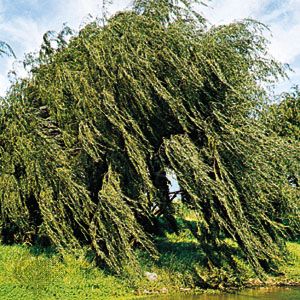
- Willow (Salix): The bark of the willow tree contains the main ingredient for aspirin, a widely used analgesic.13
- Yew (Taxus): The bark of the yew tree was the original source of Taxol, a drug utilized in cancer treatment.13
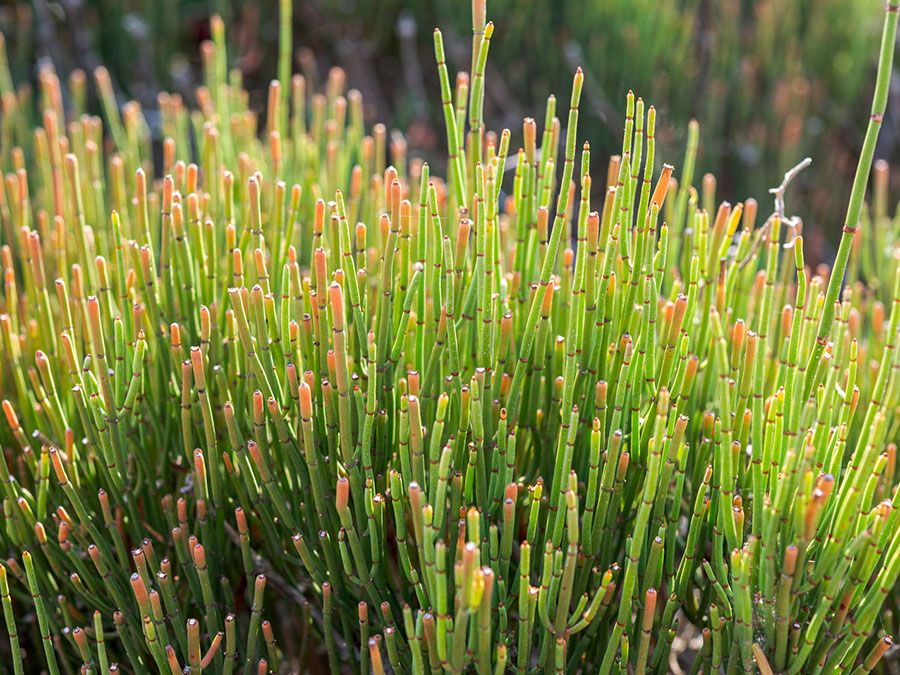
- Mahuang (Ephedra): Used in traditional Chinese medicine, this herb contains ephedrine, which is now used in modern pharmaceuticals to treat asthma and allergy symptoms.1511
- Huperzia (Huperzia serrata): This moss is the source of huperzine A, which is being studied for its potential in treating Alzheimer disease.15
- St. John’s wort (Hypericum perforatum): Used in phytotherapy, this plant is commonly employed to treat mild to moderate depression.16
Sources
- aloe vera — Encyclopædia Britannica
- aloe — Encyclopædia Britannica
- Succulent — Encyclopædia Britannica
- houseplant - Succulents — Encyclopædia Britannica
- succulent — Merriam-Webster
- Photosynthesis - Carbon fixation via crassulacean acid metabolism (CAM) — Encyclopædia Britannica
- Biosphere - Humidity — Encyclopædia Britannica
- Transpiration — Encyclopædia Britannica
- Stomate — Encyclopædia Britannica
- Xerophyte — Encyclopædia Britannica
- Did you know? — Merriam-Webster
- traditional Chinese medicine - Genetics research and drug development — Encyclopædia Britannica
- spice and herb — Encyclopædia Britannica
- Ethnobotany — Encyclopædia Britannica
- pharmaceutical industry - Medicines of ancient civilizations — Encyclopædia Britannica
- Cinchona — Encyclopædia Britannica
- taxonomy - Historical background — Encyclopædia Britannica
- ethnobotany — Merriam-Webster
- traditional Chinese medicine - Herbal therapy — Encyclopædia Britannica
- phytotherapy — Encyclopædia Britannica
Published on · 3 min read