Quercitron Bark
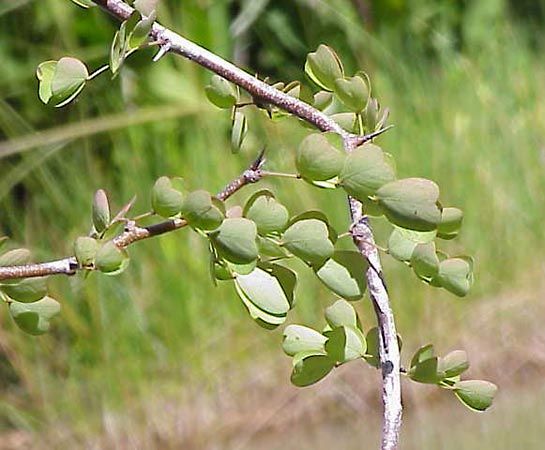
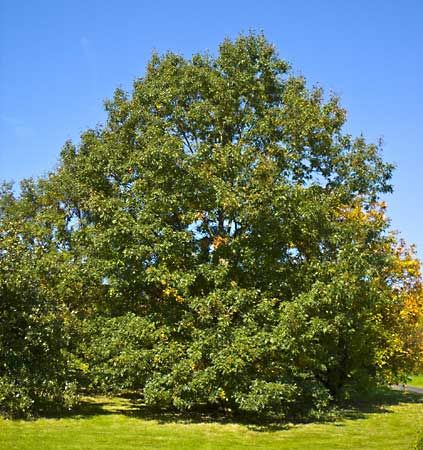
Quercitron bark is the inner bark of the black oak (Quercus velutina), a tree native to the central and southern United States.
What is quercitron bark?
Quercitron bark is the inner bark of the black oak (Quercus velutina), a tree native to the central and southern United States.12
The bark is valued for its high tannin content and its ability to produce a natural yellow or orange dye. To extract the coloring matter, the tree’s exterior bark is removed, and the inner bark is ground and processed with hot water. This process yields a crude form of quercetin, which is commercially referred to as yellow flavine. When treated with dilute acid, it can also produce a variety known as red flavine. These extracts are primarily used to dye wool that has been mordanted with aluminum or tin compounds. Historically, this colorant was also combined with cochineal to create brilliant scarlet shades.12
What is the role of a mordant in the dyeing process?
A mordant is a chemical substance, typically a metal salt, used in the dyeing process to bind a colorant to a material for which it otherwise has little or no affinity. The term is derived from the Latin mordere, meaning “to bite,” reflecting the way these substances anchor dye to fabric.34
The role of a mordant involves several key functions:
- Fixation: Mordants are adsorbed onto the fiber, where they react with the dye to create a less soluble complex. This process holds the dye firmly to the fabric, preventing it from washing away.4
- Enhanced Interaction: During the mordanting process, metallic salts complex with polar groups on the fiber. This creates highly polarized sites that allow for a stronger subsequent interaction with dye molecules.5
- Color Variation: A single dye can often produce different colors depending on the specific mordant used. For example, alizarin can yield violet, purple-red, blue, or black-violet shades depending on whether it is paired with magnesium, calcium, barium, or ferrous salts.4
How does the black oak tree differ from other oak species?
The black oak (Quercus velutina) is a member of the red and black oak subgenus (Erythrobalanus), which distinguishes it from the white oak group (Leucobalanus). These groups differ in several key botanical characteristics:
- Leaf Morphology: Unlike white oaks, which have smooth, non-bristle-tipped leaves, black oaks possess leaves with bristle tips.6
- Acorn Development: Black oak acorns mature over two growing seasons, whereas white oak acorns mature in a single season.6
- Fruit Characteristics: Black oak acorns have bitter-tasting seeds and hairy-lined shells, while white oak acorns are typically sweet-tasting.6
- Bark and Utility: The black oak is specifically noted for its blackish, ridged outer bark and an orange-yellow inner bark that serves as a source of tannin and the yellow dye quercitron.7
While many species share the name “oak,” it is important to note that several plants—such as poison oak and silky oak—are not true members of the Quercus genus.6
What are some other common natural dyes used in history?
Before the rise of synthetic dyes in the mid-19th century, humanity relied on a variety of natural sources to color textiles. While countless plants and flowers were tested, only a select few provided the stability and color intensity required for widespread use.8
Key historical natural dyes include:
- Red Dyes: Alizarin was extracted from the roots of the madder plant. Other significant reds were derived from scale insects, such as kermes from the Kermes oak and cochineal from insects living on prickly pear cactus.8
- Blue Dyes: Indigo is perhaps the oldest known dye, sourced from the dyerswoad herb in Europe and the indigo plant in Asia.8
- Yellow Dyes: Common sources included luteolin from the leaves of weld (Reseda luteola) and quercetin from the bark of the North American black oak. Additionally, crocetin was obtained from the stigmas of Crocus sativus.8
- Royal Purple: Tyrian purple was a rare, prestigious dye extracted in minute quantities from the glands of the Murex brandaris snail.8
- Logwood: The heartwood of the logwood tree remains the only natural dye still used commercially today, primarily to produce black shades on silk and leather.89
Sources
- quercitron bark — Encyclopædia Britannica
- quercitron — Merriam-Webster
- mordant dye — Encyclopædia Britannica
- dye - Mordants — Encyclopædia Britannica
- dye - Dye retention — Encyclopædia Britannica
- black oak — Encyclopædia Britannica
- oak — Encyclopædia Britannica
- dye - Natural dyes — Encyclopædia Britannica
- dye - Synthetic dyes — Encyclopædia Britannica
Published on · 3 min read