Wintergreen
Wintergreen has been utilized in food and beverage products primarily through its aromatic oil, known as oil of wintergreen. This volatile oil, which…
How has wintergreen been used in food and beverage products?
Wintergreen has been utilized in food and beverage products primarily through its aromatic oil, known as oil of wintergreen. This volatile oil, which contains the active ingredient methyl salicylate, is commonly used as a flavoring agent for candies and chewing gum.12
Beyond its use as a concentrated flavoring, the plant Gaultheria procumbens—also known as teaberry—has a history of being consumed directly as a drink. In certain regions of North America, an infusion made from the leaves, referred to as mountain tea, has been prepared and enjoyed as a beverage.1
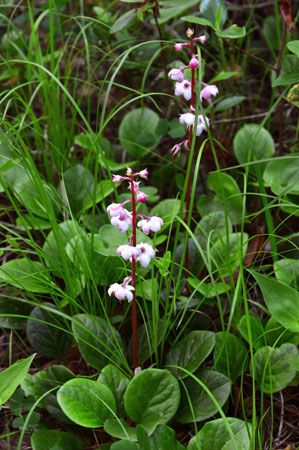
What is the scientific name for wintergreen and what family does it belong to?
The term “wintergreen” refers to several different aromatic, evergreen plants, most notably Gaultheria procumbens—also commonly known as teaberry or checkerberry—and various species within the genus Pyrola.41
All of these plants belong to the heath family, scientifically known as Ericaceae.54

What are the main characteristics of wintergreen plants?
Wintergreen plants are aromatic, evergreen members of the heath family (Ericaceae). While the name encompasses several species, the most prominent are found within the genera Gaultheria and Pyrola.15
Key Characteristics
- Aromatic Properties: These plants are well-known for their distinct scent, which is due to the presence of methyl salicylate. This compound is the primary component of oil of wintergreen.1
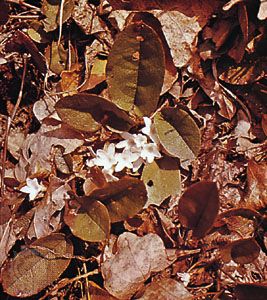
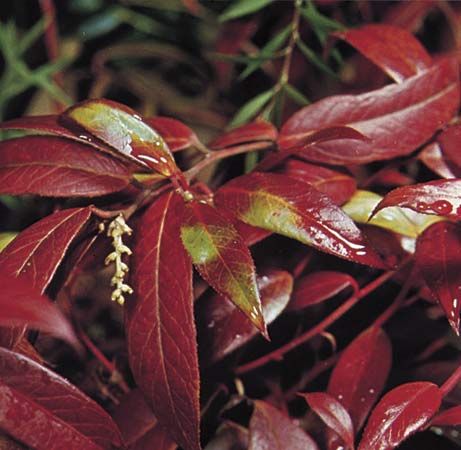
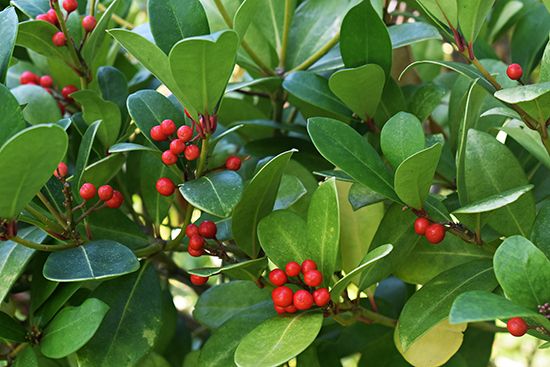
- Gaultheria procumbens (Teaberry): This species is a creeping shrub featuring thick, shiny, tooth-edged leaves. It produces pale pink, urn-shaped flowers and bright red, berrylike fruits that are actually enlarged, fleshy calyxes.15
- Pyrola (Shinleaf): These are creeping perennials typically found in the North Temperate Zone. Their leaves usually grow in a basal rosette, and their flowers are arranged in terminal spikes.1
These plants are generally native to shady, wooded areas with sandy soil and are valued both for their ornamental foliage and their historical use in teas and flavorings.15
What are the traditional medicinal uses of wintergreen?
The traditional medicinal use of wintergreen is primarily centered on the application of oil of wintergreen, which is derived from the leaves of Gaultheria procumbens.1
This oil is utilized as a counterirritant in the treatment of muscular aches and pains. Its therapeutic properties are attributed to its active ingredient, methyl salicylate, which is a chemical relative of salicylic acid—a compound famously used in the preparation of aspirin. compound famously used in the preparation of aspirin. Additionally, in some parts of North America, an infusion of the leaves known as mountain tea has historically been consumed as a beverage.163
It is important to note that while these traditional uses exist, modern medical practices distinguish between traditional herbalism and evidence-based phytotherapy. Consumers should be aware that herbal products are often regulated differently than pharmaceutical drugs, and their safety and efficacy can vary.7
Sources
- wintergreen — Encyclopædia Britannica
- wintergreen — Merriam-Webster
- oil of wintergreen — Merriam-Webster
- Ericaceae — Encyclopædia Britannica
- Gaultheria — Encyclopædia Britannica
- phytotherapy — Encyclopædia Britannica
- salicylic acid — Encyclopædia Britannica
Published on · 2 min read