Plant Cell
Plasmodesmata are microscopic cytoplasmic channels that traverse the cell walls of plants, facilitating direct communication and the transport of molecules…
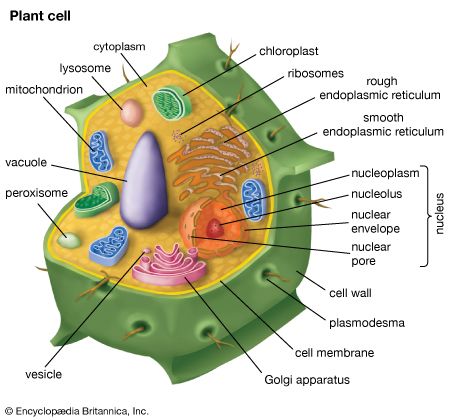
What are plasmodesmata and how do they function in plant cells?
Plasmodesmata are microscopic cytoplasmic channels that traverse the cell walls of plants, facilitating direct communication and the transport of molecules between adjacent cells.12
Formation and Structure
These channels are established during cell division when segments of the endoplasmic reticulum become trapped within the developing cell plate. Structurally, each plasmodesma is lined with cell membrane, creating a continuous membrane system across connected cells. A thin, internal membranous tube—a remnant of the parent cell’s ER—runs through the center of the channel, linking the ER networks of neighboring cells.12
Function
By bypassing the rigid cell wall, plasmodesmata unite plant cells into a functional syncytium. They serve as vital conduits for the movement of small molecules, including amino acids, sugars, and salts. While the exact regulatory mechanisms are still being studied, it is believed that the channels control molecular flow by dilating or constricting the openings at either end.12
How does photosynthesis occur within plant cells?
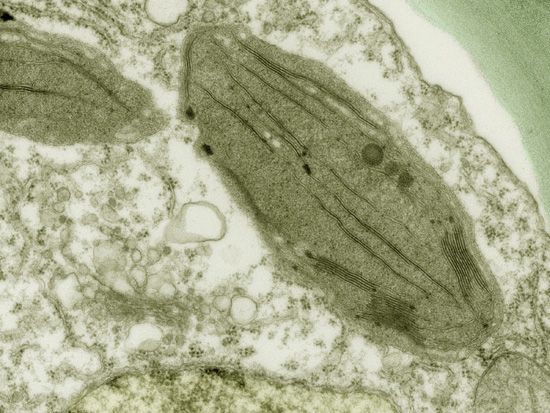
Photosynthesis is a light-energized oxidation-reduction process that occurs within chloroplasts, specialized organelles containing light-absorbing pigments and enzymes. The process is summarized by the following equation:3
6CO2+12H2O→C6H12O6+6O2+6H2O6CO_2 + 12H_2O \rightarrow C_6H_{12}O_6 + 6O_2 + 6H_2O
Photosynthesis occurs in two interdependent stages3:4
- Light Reactions: Taking place in the thylakoids (stacked into grana), these reactions capture light energy using chlorophyll and other pigments3. This energy drives electron transport chains, resulting in the production of ATP and NADPH, while splitting water to release oxygen as a byproduct.534
- Dark Reactions: Occurring in the stroma, these carbon-assimilating reactions use the ATP and NADPH generated previously to convert carbon dioxide into glucose through the Calvin-Benson cycle.34
Environmental factors, such as the availability of water and the regulation of stomata, significantly influence the rate at which these reactions proceed.6
How do plant cells communicate with each other?
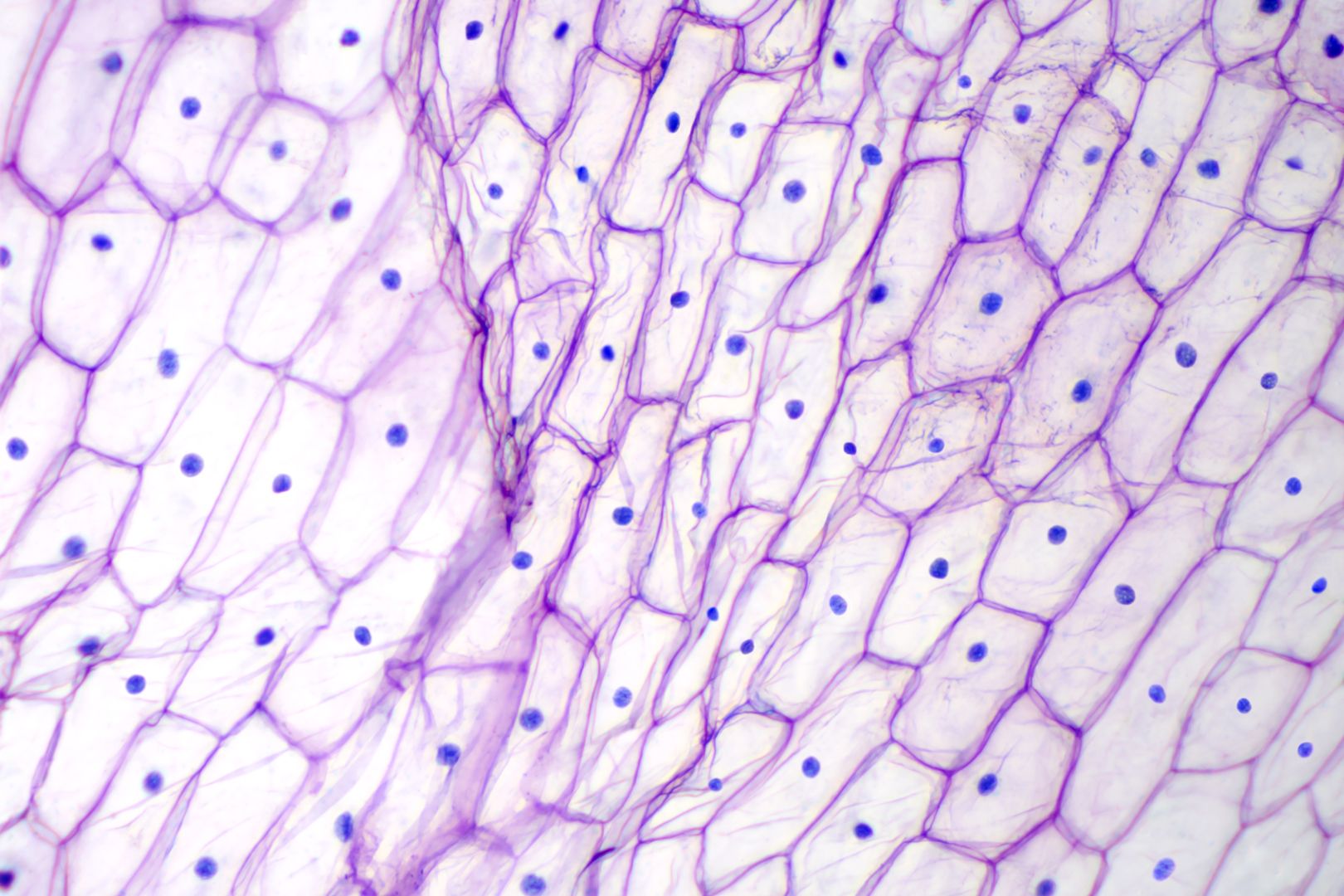
Plant cells employ several sophisticated mechanisms to communicate and coordinate their activities, ensuring the organism functions as a cohesive unit.
Direct Cytoplasmic Connections
The primary method for direct communication is through plasmodesmata. These are microscopic channels that traverse the cell wall, physically linking the cell membranes and endoplasmic reticula of adjacent cells. By creating a continuous cytoplasmic bridge, plasmodesmata allow for the direct transport of small molecules like sugars, salts, and amino acids, effectively uniting cells into a functional syncytium.27
Chemical and Hormonal Signaling
Plants also coordinate behavior through chemical signaling, which can occur over short or long distances:
- Hormones: Plants utilize hormones to regulate growth, development, and responses to environmental stimuli. For example, gibberellin triggers enzyme production in seeds, while abscisic acid and ethylene manage processes like leaf fall and fruit ripening.8
- Oligosaccharins: These fragments of cell wall polysaccharides act as potent regulatory molecules. They can induce specific responses, such as the production of antibiotics or the development of roots and stems, functioning similarly to hormones.9
Electrical and Sensory Responses
Beyond chemical signals, plants can perceive and respond to mechanical stimuli. Research on Arabidopsis has shown that plants can transmit electrical signals from leaf to leaf in response to physical damage, such as herbivory, to trigger chemical defenses.10
How do plant cells grow and divide?
Plant growth and development are driven by three fundamental processes: cell division, cell enlargement, and cell differentiation. Unlike animals, plants continue to grow throughout their entire life span, primarily through the activity of meristems—specialized regions of actively dividing cells found at the tips of roots and shoots.1213
Cell Division
Cell division in plants occurs via mitosis, where a cell replicates its DNA and distributes chromosomes equally into two daughter cells. Following mitosis, cytokinesis physically separates the cytoplasm. In plants, this involves the formation of a cell plate, a structure derived from Golgi vesicles that develops into a new cell wall between the daughter cells.1415
Cell Enlargement
A distinct feature of plant growth is that cells often increase significantly in size after division. This is primarily achieved through the uptake of water, which is stored in a central vacuole. The resulting internal pressure, or turgor, pushes against the elastic cellulose cell walls, causing the cell to expand in length and girth.13
Internal factors, such as genetics and hormones like auxin, cytokinins, and gibberellins, regulate these processes, while photosynthesis provides the necessary energy to fuel them.12
Sources
- plasmodesma — Encyclopædia Britannica
- Cell wall - Plasmodesmata — Encyclopædia Britannica
- Plant - Basic mechanisms — Encyclopædia Britannica
- Photosynthesis - Water — Encyclopædia Britannica
- cell - Trapping of light — Encyclopædia Britannica
- Photosynthesis - Overall reaction of photosynthesis — Encyclopædia Britannica
- Do Plants Feel Pain? — Encyclopædia Britannica
- Hormone - Growth inhibitors — Encyclopædia Britannica
- cell - Cell-to-cell communication via chemical signaling — Encyclopædia Britannica
- cell - Oligosaccharides with regulatory functions — Encyclopædia Britannica
- Angiosperm - Structural basis of transport — Encyclopædia Britannica
- How do plants grow? — Encyclopædia Britannica
- Growth - In plants — Encyclopædia Britannica
- cell - Mitosis and cytokinesis — Encyclopædia Britannica
- cytokinesis — Encyclopædia Britannica
- Plant cell: Top Questions — Encyclopædia Britannica
Published on · 4 min read